
Carpet Cleaning · Dublin-wide
Professional carpet cleaning in Dublin
Hot water extraction cleaning for fitted carpets, stairs and landings — in family homes, rented properties and small offices across the city and county.
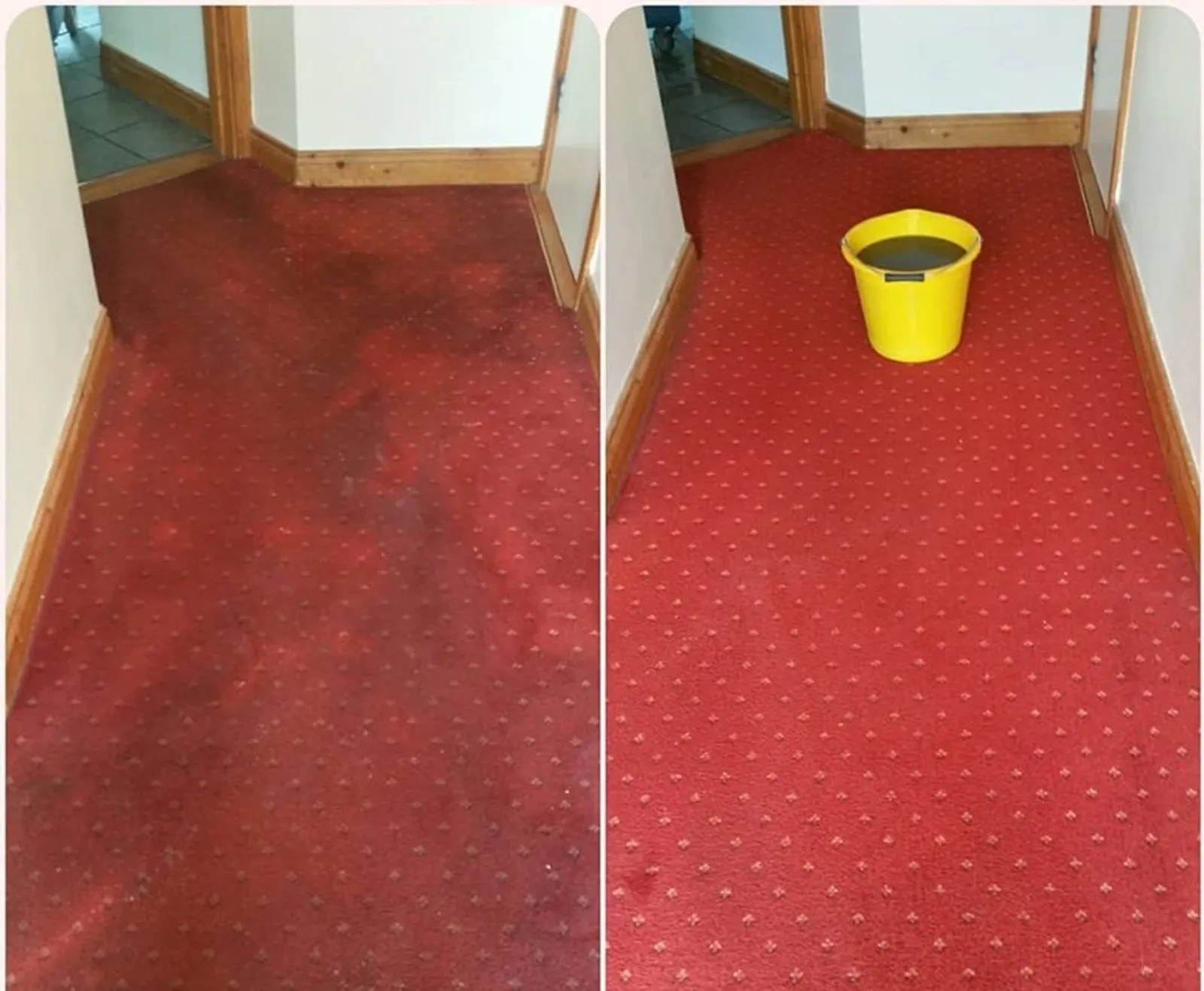 Real before & after result
At a glance
- Prices from €50 a room, and hall, stairs and landing from €80, VAT included. See the price list.
- Hot water extraction for fitted carpets, stairs and landings, in homes and businesses.
- The fibre is checked first, and delicate carpets are tested before cleaning.
- Carpets are left damp, not wet, with a realistic drying time for the room.
- Free quotes from photos, across Dublin and all of Leinster.
What's included
What a carpet clean covers
A standard carpet cleaning visit covers fitted carpets room by room, plus carpeted stairs and landings — usually the areas that get the heaviest footfall and show wear first. We work through the property methodically: moving light furniture where it's safe to do so, treating any obvious marks before the main clean, then cleaning the full carpet with hot water extraction equipment.
We clean for homeowners, tenants and landlords, and we also take on light commercial work — small offices, consulting rooms, stairwells in apartment blocks, that kind of carpeted space. For larger or scheduled commercial contracts, see our commercial carpet cleaning page. If it's rugs rather than fitted carpet, that's a slightly different process — see rug cleaning.
If you're dealing with a specific mark rather than a full-room clean — wine, coffee, mud, or something a pet's left behind — we can treat it as part of a full clean or as a standalone visit. Details on stain removal and pet stain and odour removal.
Want the full picture before booking? Our complete guide to carpet cleaning in Dublin walks through what happens on the day, drying, what cleaning can and can't fix, and how to compare cleaners.
The method
Hot water extraction vs carpet shampooing, explained honestly
We clean using hot water extraction — sometimes called steam cleaning, though no actual steam is involved. Hot water and cleaning solution are injected into the carpet pile under pressure, agitated to lift embedded dirt, then immediately extracted back out along with the loosened soil, using a powerful vacuum. Done properly, the carpet is left damp rather than saturated, which is what keeps drying times reasonable and reduces the chance of any residue being left behind.
It's the method most professional carpet cleaners in Ireland and the UK use, because it reaches down into the pile rather than just cleaning the surface, without over-wetting the backing or the underlay beneath it. It suits the vast majority of fitted carpets found in Dublin homes and offices — wool, nylon, polypropylene and common wool-blend fibres. For anything unusual or particularly delicate, we'll always check the fibre and test an inconspicuous area first.
Why professional cleaning
Why not just hire a machine?
Rental carpet cleaning machines from supermarkets and hardware shops have their place, and plenty of people use them without issue. The trade-off is usually in the extraction: consumer machines tend to push more water into the carpet than they pull back out, which means longer drying times, a higher chance of the carpet browning or "wicking" as moisture works its way back up through the backing, and any cleaning residue left behind attracting dirt faster afterwards.
Professional equipment runs at higher water temperature and far stronger vacuum extraction, so more of the water — and the dirt suspended in it — comes back out of the carpet rather than staying in it. That's really the whole difference: not a different kind of clean, but a more thorough version of the same one, done with equipment built for it and applied by someone who does this daily.
How it works
What to expect from a booking
- 1
Tell us what needs cleaning
Call, WhatsApp or send a quote request with the rooms, stairs or property details — we'll ask what we need to and skip what we don't.
- 2
Get a free, no-obligation quote
Pricing depends on the number of rooms, carpet size, condition and any access considerations — see our carpet cleaning prices page for what affects cost.
- 3
We clean, on the day agreed
Hot water extraction cleaning carried out by trained, insured technicians, working carefully around furniture, skirting and stair edges.
- 4
Dry, ready to use
We'll tell you a realistic drying time for your rooms before we leave, along with a couple of tips to help it along.
Dublin properties
Period homes and modern builds — cleaned differently
Dublin's housing stock varies a lot street to street, and carpets get treated accordingly. In Victorian and Edwardian terraces around areas like Rathmines, Ranelagh and Phibsborough, it's common to find original or long-fitted carpets and stair runners that need a gentler approach — lower moisture, more care around aged underlay, and a test patch before the full clean.
In newer builds and apartments, carpets tend to be more recent synthetic or wool-blend fibres in open-plan living areas and bedrooms, which generally clean up faster and dry quicker. Either way, we assess the carpet on the day and adjust the clean to suit it, rather than treating every job the same.
Areas we cover
Carpet cleaning across every part of Dublin
We cover Dublin city and county. Find your area below for local details, or just get in touch — if you're in Dublin, we can very likely help.
Reviews
A recent carpet cleaning job
"Our technician did an absolutely amazing job in my new home, cleaning 3 carpets with meticulous attention to detail — he answered all queries quickly and efficiently, was able to fit the job in in a timely manner and the service was excellent value, I recommend him to everyone."
Rosy NatalieYour appointment
What happens during a carpet cleaning appointment
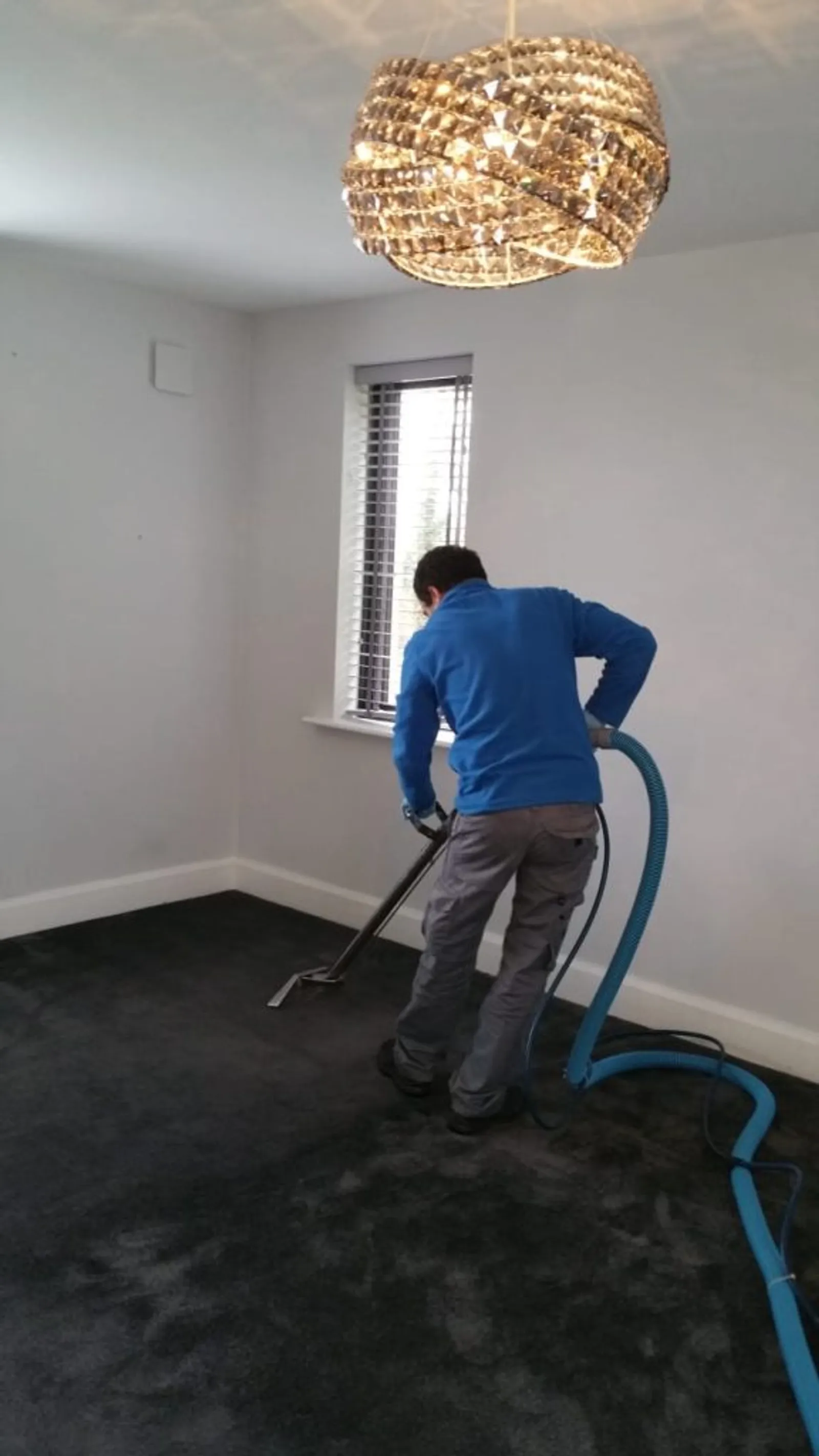
Every appointment starts with a quick assessment of the carpet — checking the fibre, the general condition, and any areas that need particular attention before we get started. Where there are visible marks or stains, we treat those first, doing what we reasonably can to lift them ahead of the main clean.
From there, we carry out a full hot water extraction clean of the rooms or areas agreed in your quote, working carefully around furniture, skirting and edges. Before we leave, we'll talk you through drying and aftercare — a realistic idea of how long the carpet will take to dry, and a few simple things that help it dry evenly and stay cleaner for longer.
Room by room
Carpets around your home
Different rooms wear differently, and the carpet in each one usually needs a slightly different focus.
Bedrooms
Bedroom carpet usually sees less footfall than the rest of the house, but that doesn't mean it stays cleaner — dust, skin cells and general allergen build-up settle into the fibre over time, especially under beds and in corners that get vacuumed less often.
Living Rooms & Hallways
Hallways are often the first place a carpet shows its age, since every trip in from outside brings grit and moisture through the same narrow strip. Living room carpet tends to wear more evenly but picks up everyday spills, so both get a full extraction clean rather than a quick pass.
Stairs & Landings
Stairs take repeated footfall on the same handful of treads, so the edges and corners where carpet meets the wall or gripper rod need particular attention so they're not missed. Landings often connect several rooms, so they pick up traffic from all of them.
High-Traffic Areas
Any route walked daily — through a kitchen doorway, along a main hall, in front of a sofa — packs grit deeper into the pile than areas that see less use, and these spots often need a little extra attention and dwell time to lift what's worked in below the surface.
Fibres we work with
Carpet types we clean
Wool Carpets
Wool is a natural fibre that needs gentler treatment than synthetics — lower moisture, careful dwell time, and more considered drying afterwards. Done correctly it cleans up well and tends to hold its appearance for a long time.
Synthetic Carpets
Nylon and polypropylene carpets are generally more forgiving of moisture and heat than wool, which usually means a more straightforward clean and a shorter drying window. They're the most common fibre in newer Dublin homes and apartments.
Berber & Loop-Pile Carpets
Berber and other loop-pile carpets are constructed differently to cut-pile carpet, so we use a technique and equipment pressure that won't snag or pull at the loops — an area where care genuinely matters.
Older Carpets
We assess older carpet honestly rather than promise a result we can't guarantee. Plenty of aged carpet cleans up well, but some carpet that's genuinely worn thin from years of use may show its age more clearly once it's clean — we'll tell you what to expect before we start.
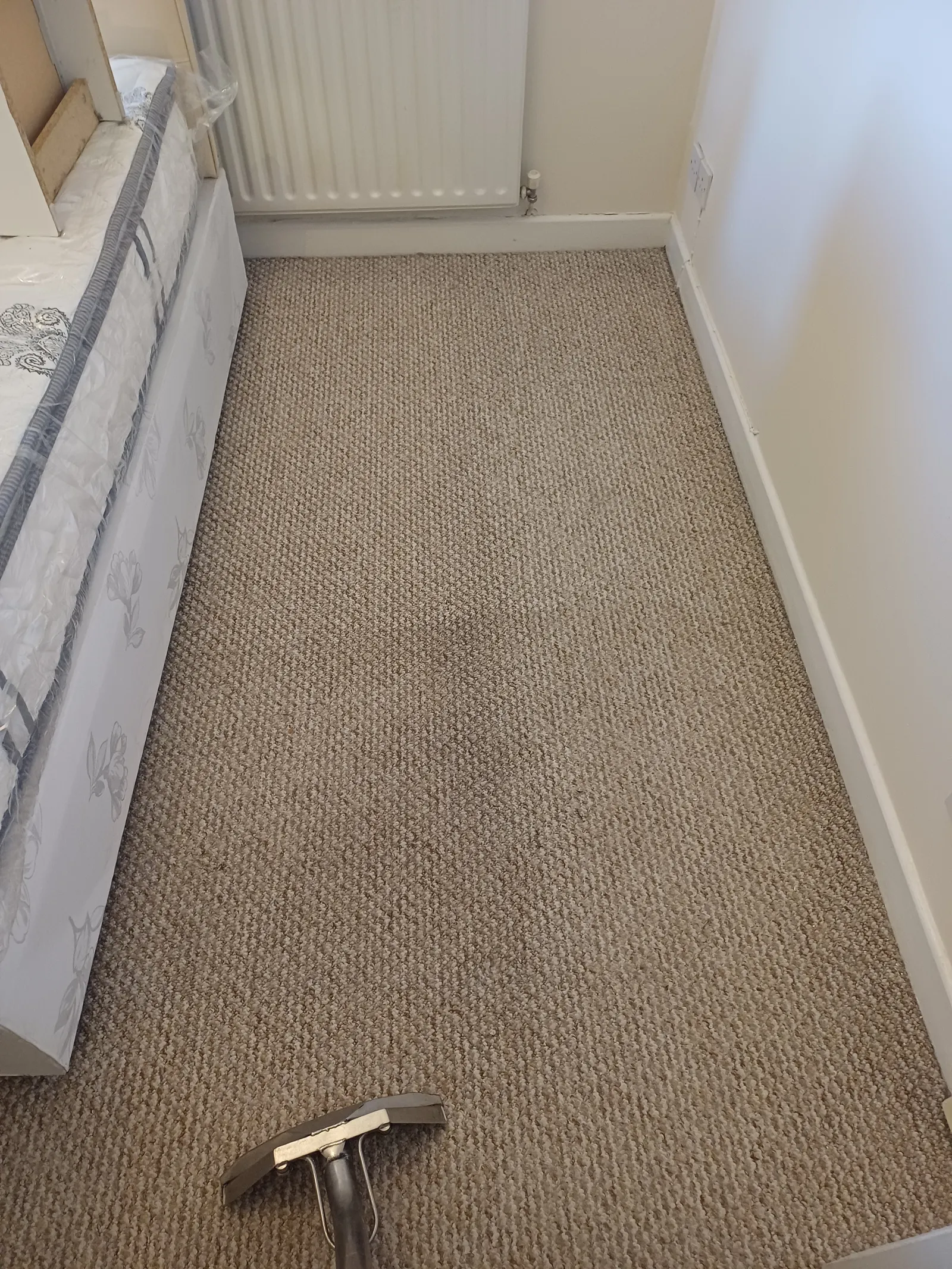
Common reasons to book
Moving house, renovation and before selling
Carpet cleaning is often booked around a specific event rather than as a routine job — moving into a new home, finishing building or renovation work that's left dust worked into the pile, or getting a property ready for viewings before it goes on the market. All of these are common, honest reasons customers get in touch, including ahead of an end of tenancy handover.
A clean carpet helps a room present well and makes a home feel cared for, which matters at viewings or handover. It's worth being realistic, though — cleaning lifts dirt and refreshes the fibre, it doesn't replace a carpet that's genuinely worn out or badly dated. If a carpet's past that point, we'll say so rather than oversell what a clean can achieve.
After we leave
Drying and aftercare
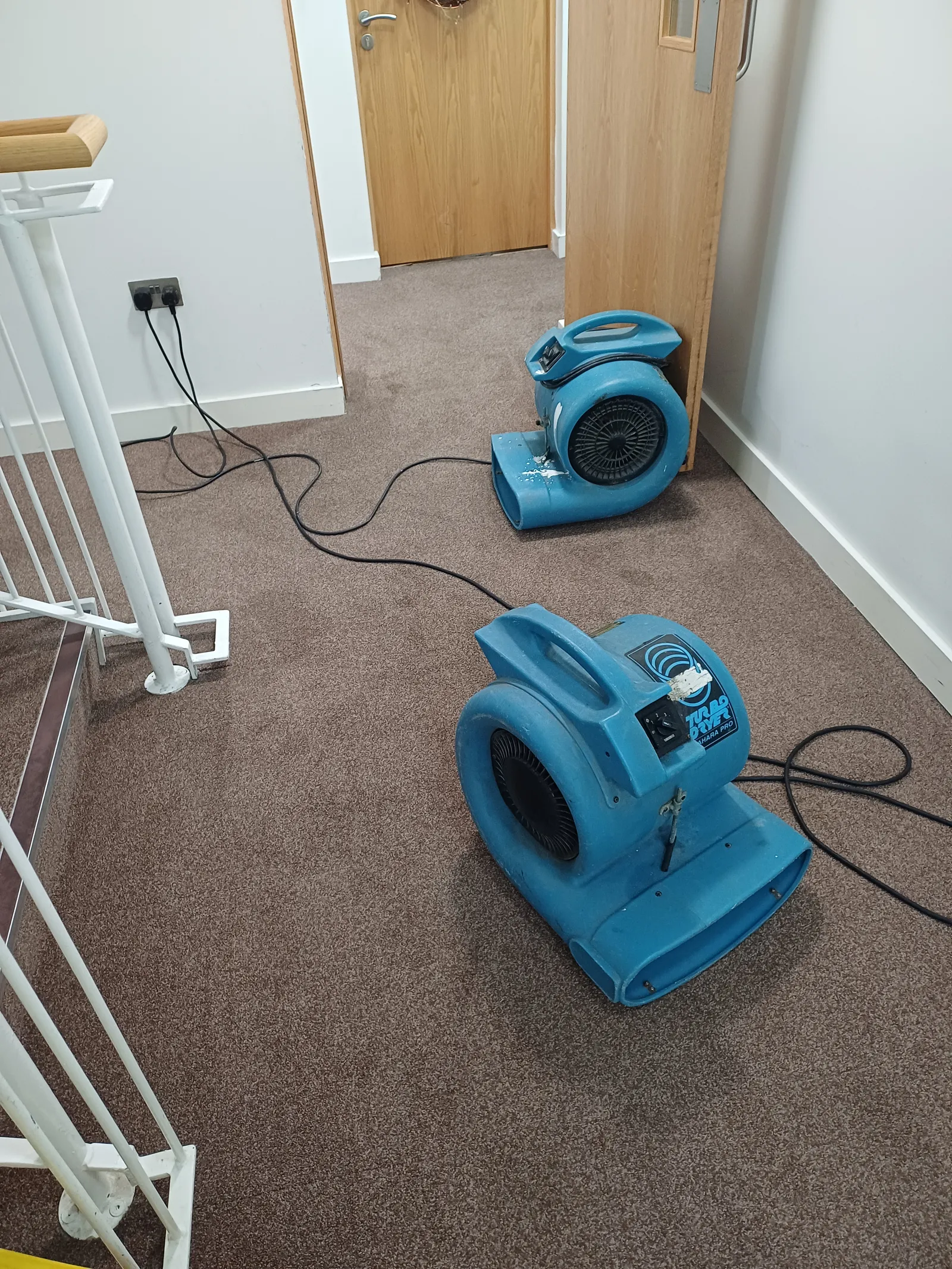
Drying time depends on a few things — ventilation in the room, the temperature of the house, and the type and pile depth of the carpet. As a general guide, carpets are usually dry enough to walk on within a few hours, with full drying through the pile and backing taking a bit longer depending on conditions.
Keeping the room ventilated — a window open if the weather allows, or just air moving through the house — is the single biggest thing you can do to help drying along. It also helps to keep heavy furniture, rugs and heavy foot traffic off the carpet until it's fully dry.
Is it time?
Signs a carpet is due a professional clean
There's no fixed timetable that suits every home. These are the signs we see most often when people get in touch, and any one of them is a good reason to book.
- A grey path from the front door, down the hall or up the stairs that vacuuming doesn't shift.
- Flat, matted pile in front of the sofa or beside the bed, which often looks dirty even when it's dry.
- A stale or musty smell that's stronger on damp days or when the heating comes on.
- Marks that have built up slowly: dark edges along skirting boards, around door frames and under radiators.
- Spills that were "dealt with" but left a ring, a shadow or a crunchy patch of residue behind.
- Pets in the house, especially if there have been accidents or there's a favourite spot by the door.
- A change of occupier: moving in, moving out, or getting a property ready to let or sell.
- After building work, when fine plaster and sanding dust has settled deep in the pile.
Pile and construction
Carpet styles, and how each one is cleaned
Fibre matters, as covered above, but so does how the carpet is made. The same hot water extraction method is adjusted for each style: how wet the clean is, how hard the pile is worked, and how it's groomed afterwards.
| Style | Where you'll find it | What we watch for |
|---|---|---|
| Saxony / cut pile | Bedrooms and living rooms in most Dublin homes | Shows footprints and flattening. Groomed in one direction after cleaning so it dries evenly. |
| Twist | Halls, stairs and family rooms | Hard-wearing. Heavy rubbing can untwist the tips, so treatment is gentle and agitation light. |
| Loop pile / Berber | Halls, offices and newer homes | Loops can snag. No brushing against the loops, and care around pet claws and furniture glides. |
| Cut and loop | Patterned carpets in older homes and hotels | The pattern hides soil until it's cleaned. Expect a bigger visual change than you might think. |
| Shaggy / long pile | Bedrooms and lounges | Holds a lot of water and grit. A slower, lower-moisture clean, and longer drying. |
| Velvet / velour | Formal rooms in period homes | Shading and pile direction show everything. Careful grooming is part of the job. |
| Carpet tiles | Offices and commercial spaces | Tight, low pile that cleans quickly. Edges and seams are checked so no tile lifts. |
Not sure what yours is? A close-up photo of the pile, or the label on an offcut if you kept one, tells us enough. See also wool vs synthetic carpet and why loop-pile carpet snags.
Being realistic
What a carpet clean can and can't fix
Most carpets look and feel noticeably better after a professional clean. Some problems aren't dirt, though, and no cleaning method changes them. We'll tell you which is which before we start.
Usually fixed or much improved
- General grey soiling and traffic lanes
- Most food and drink spills, especially recent ones
- Mud, grit and outdoor soiling
- Stale smells held in the pile
- Sticky residue left by DIY shampoo
- Light flattening, helped by grooming
Not fixed by cleaning
- Bleach spots and other colour loss
- Burns and melted fibres
- Pile worn through to the backing
- Permanent dyes such as hair dye, in many cases
- Urine that has soaked the underlay or floor
- Rips, ripples and loose seams
If you're on the fence about whether a carpet is worth cleaning at all, read does my carpet need replacing, or just cleaning?
The hardest-working carpet
Stairs, landings and hallways in detail
In most Dublin houses the hall, stairs and landing take more wear than every other room put together. They also take the most care to clean properly, which is why they're quoted separately.
Each step, one at a time
A floor wand can't clean a stair tread properly. Every step is done with a hand tool, front edge and corners included, because that's where the dirt sits.
Runners and winders
Stair runners over painted or varnished timber are cleaned with less water so nothing seeps onto the wood. Winders, the angled steps at a turn, take longer and are worth mentioning when you ask for a quote.
The first metre inside the door
This is where wet footpaths, grit and coastal sand arrive. It's usually the darkest strip in the house and gets extra pre-treatment and dwell time.
Landings
Small, but they collect traffic from every bedroom. Doorway thresholds and the carpet under door bars are cleaned right to the edge.
Drying on stairs
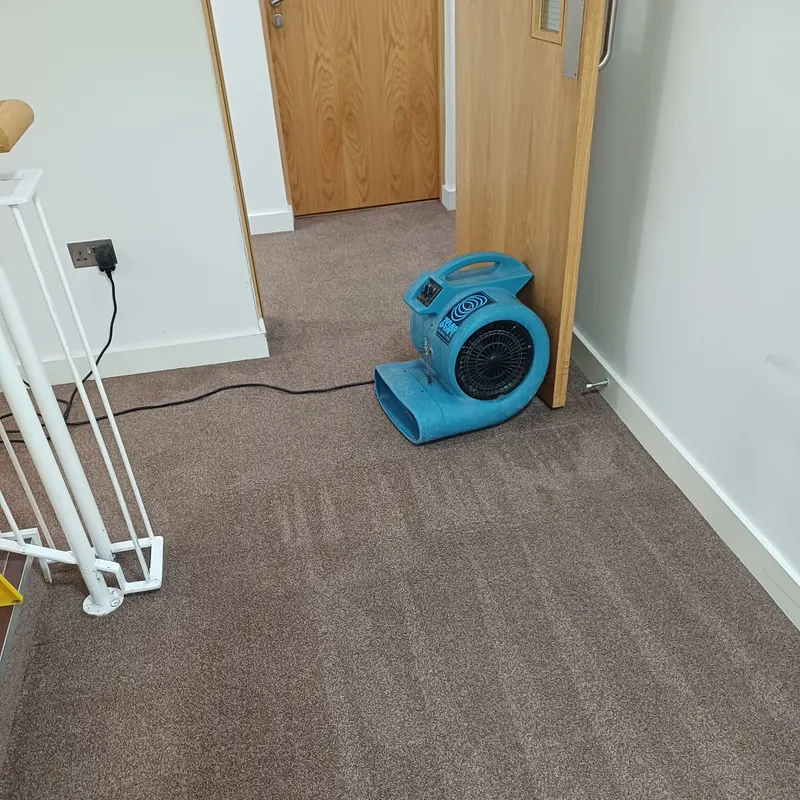
Stairs are the route everyone needs. We'll suggest which way to walk and how long to keep traffic light. On damp days, an air mover at the bottom of the stairs helps.
Between cleans
Looking after carpet so it stays cleaner for longer
A professional clean resets the carpet. What happens in the months afterwards decides how long it looks that way. None of this is complicated.
Mats at every door
A good mat inside and outside the front and back doors catches grit before it reaches the carpet. It's the cheapest way to protect a hall.
Vacuum slowly, and often
Slow passes in two directions lift far more grit than fast ones. Hallways and stairs need it more often than bedrooms.
Keep a spill kit
White kitchen paper, a spray bottle of cold water and a little washing-up liquid. The first five minutes decide most stains.
Move furniture now and then
Shifting chairs and rugs a little changes where people walk, so wear spreads out instead of forming lanes.
Watch strong sunlight
South-facing rooms can fade where the sun hits. Blinds or a moved rug keep the colour more even over the years.
Clean before it's bad
Carpets cleaned periodically come up faster and better than carpets left for years. See how often to clean carpets.
Irish weather
Planning a clean around the weather
Carpets dry by evaporation, so the air in the room matters as much as the clean itself. A few habits make drying faster, whatever the season.
Wet, still days
The slowest drying conditions. Keep internal doors open, use gentle background heat, and only open windows if it isn't raining in.
Dry, breezy days
The best conditions. Open windows on opposite sides of the house for a through-draught and most carpets dry noticeably faster.
Heating season
Low background heat helps, but don't aim a heater at one spot. Uneven drying can leave a ring where moisture moved to the edge.
More detail is in our guide to how long carpet takes to dry.
Who we clean for
Carpet cleaning for every kind of household
The method stays the same, but what matters most changes with who lives in the house. These are the situations we plan around most often.
Busy family homes
Food, drink, muddy school shoes and a sofa that doubles as a dining table. Traffic lanes and the living room usually need the most attention, and drying time matters when everyone's home.
Homes with pets
Hair works deep into the pile and accidents can soak into the underlay. Tell us where accidents have happened so odour treatment is planned in, not discovered on the day. See pet stain and odour removal.
Older relatives' homes
Long-fitted carpets, often wool, sometimes cleaned rarely. We go gently on older backing and underlay, and we're happy to work around someone who'd rather stay in the house while we clean.
Moving in or out
An empty property is the best time to clean: every bit of floor is reachable. For rentals, see end of tenancy carpet cleaning.
Getting ready to sell or let
Clean carpet photographs better and smells fresher at viewings. Book the clean after any painting or repairs, so nothing gets walked over again.
Small offices and studios
Consulting rooms, small offices and studios, planned around your working week. Larger premises are covered on our commercial carpet cleaning page.
Real results
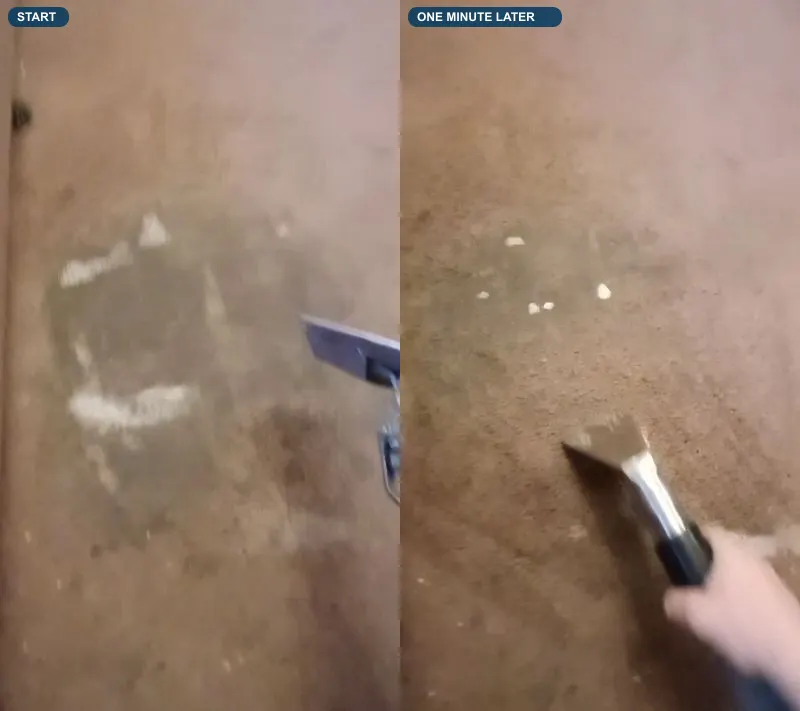
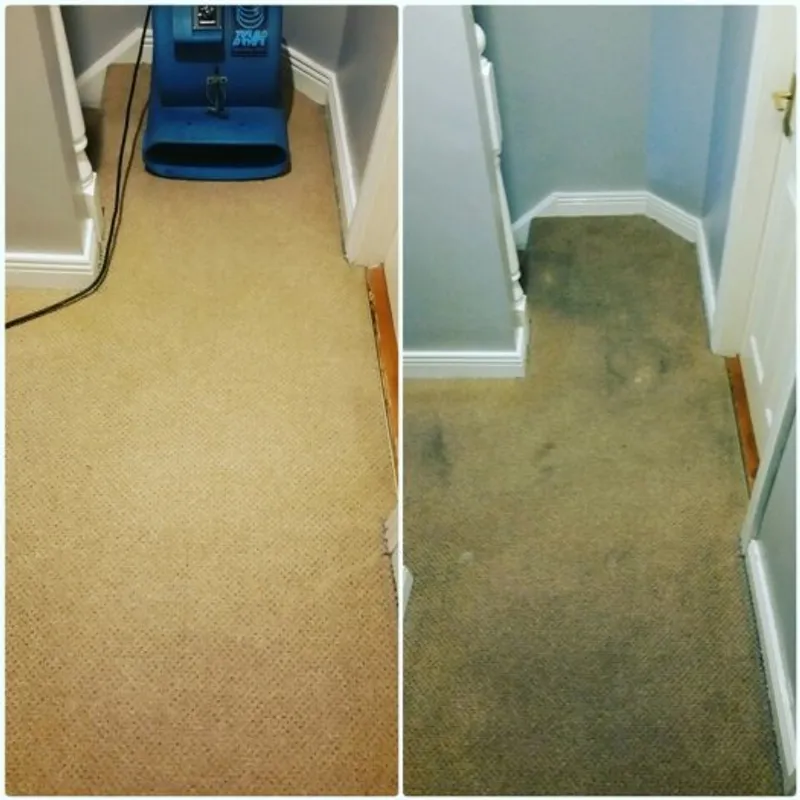
Carpet jobs, before and after
Real photos from our own carpet jobs, with honest captions. There are more on our before and after page.
On the day
A carpet clean, from the doorstep to drying
What actually happens when we arrive, so you know what to expect and how long to plan for.
Walk-through
We look at every room with you, check the fibre and any stains you've pointed out, and agree what's being cleaned.
Light furniture moved
Chairs, side tables and the like are moved as we go. Heavy pieces are cleaned around, unless arranged in advance.
Dry soil out first
A thorough vacuum lifts the grit that would otherwise turn to mud once the carpet is damp.
Pre-treatment
Traffic lanes, the hall, the stair line and any stains get a pre-treatment matched to the soil and the fibre.
Hot water extraction
The wand rinses the pile with hot water and pulls the water, soil and residue straight back into the machine.
Groom and dry
The pile is groomed in one direction, air movers are set up where they help, and you get a realistic drying time.
Methods compared
Hot water extraction compared with other carpet cleaning methods
"Steam cleaning", "deep cleaning" and "dry cleaning" get used loosely. This is what each method actually does, and why we use hot water extraction for most domestic carpet.
| Method | How it works | Good for | Watch out for |
|---|---|---|---|
| Hot water extraction | Hot water and cleaning solution rinsed through the pile and extracted straight back out | Most domestic carpet: deep soil, traffic lanes, residue | Needs proper extraction and drying, which is where skill matters |
| Low-moisture or "dry" cleaning | A small amount of solution worked in with a pad or compound, then vacuumed | Quick freshen-ups, some commercial carpet | Doesn't rinse deep soil out of a heavily used domestic carpet |
| Carpet shampooing | Foam worked into the pile and left to dry | Very little, today | Residue left behind attracts dirt, so carpet can re-soil faster |
| Rental machines | A small home extraction machine | Light marks between professional cleans | Weak suction can leave carpet wet and soapy |
More detail: hot water extraction explained, steam vs dry carpet cleaning and shampooing vs steam vs dry cleaning.
Real work
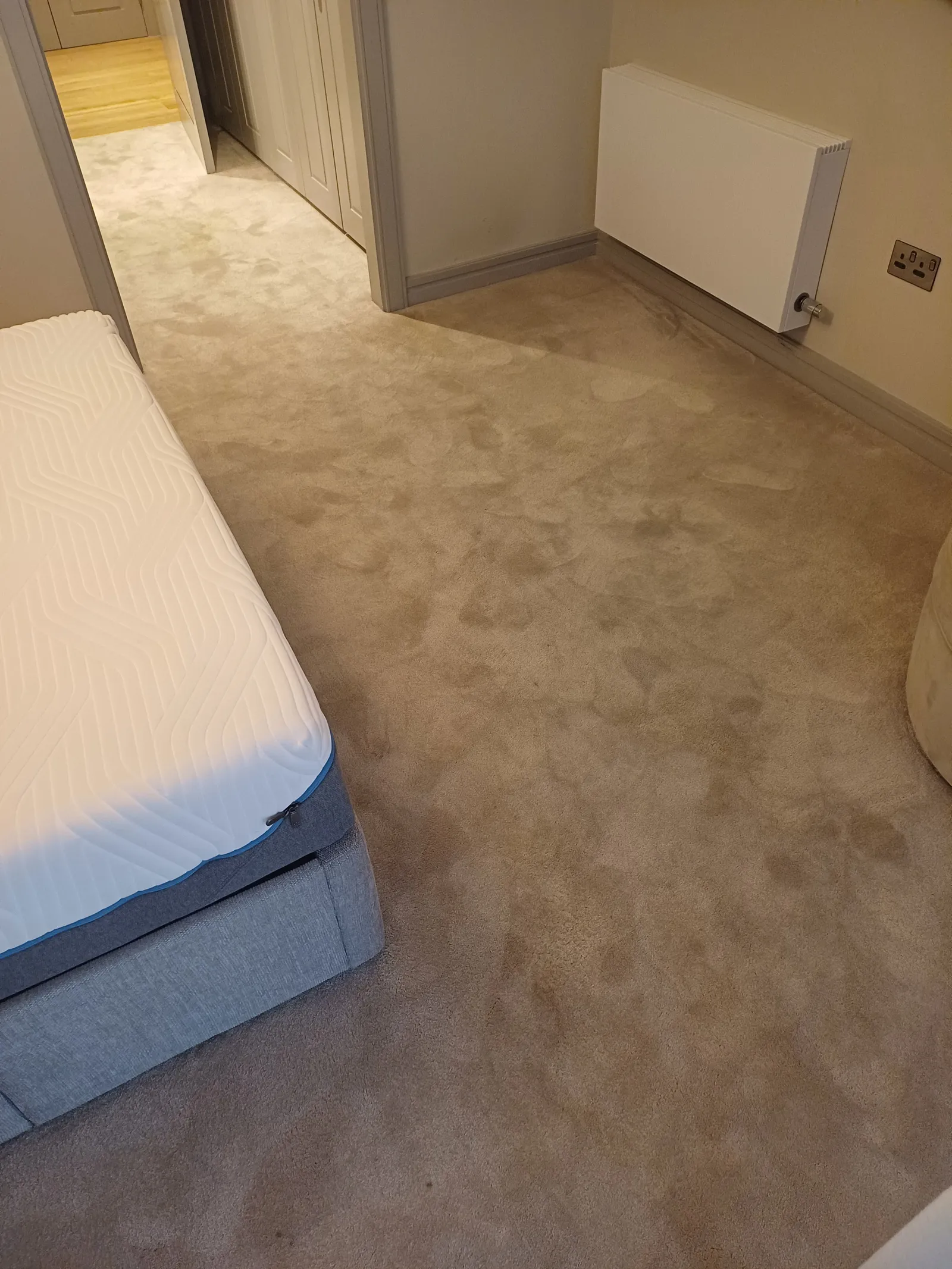
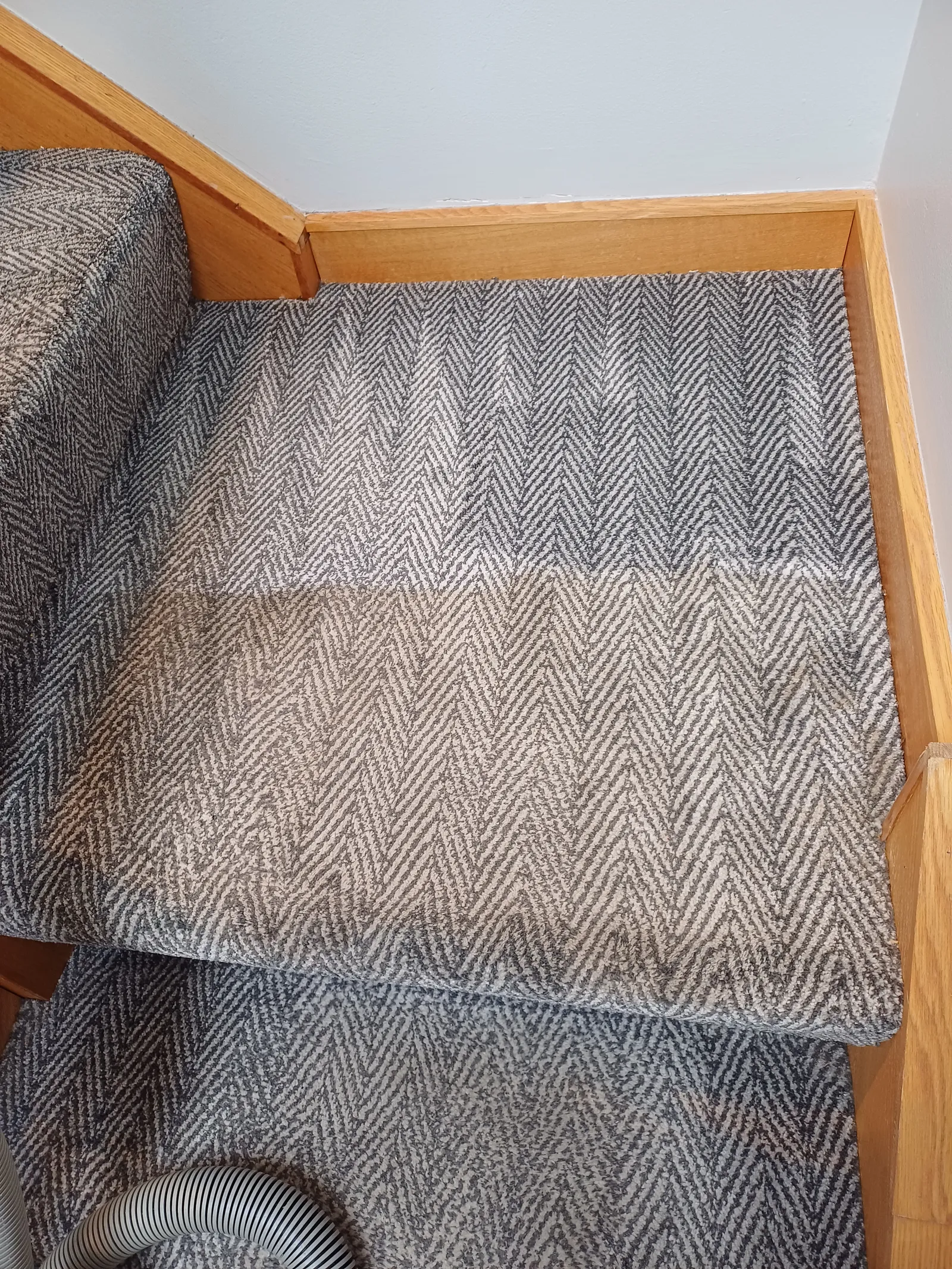
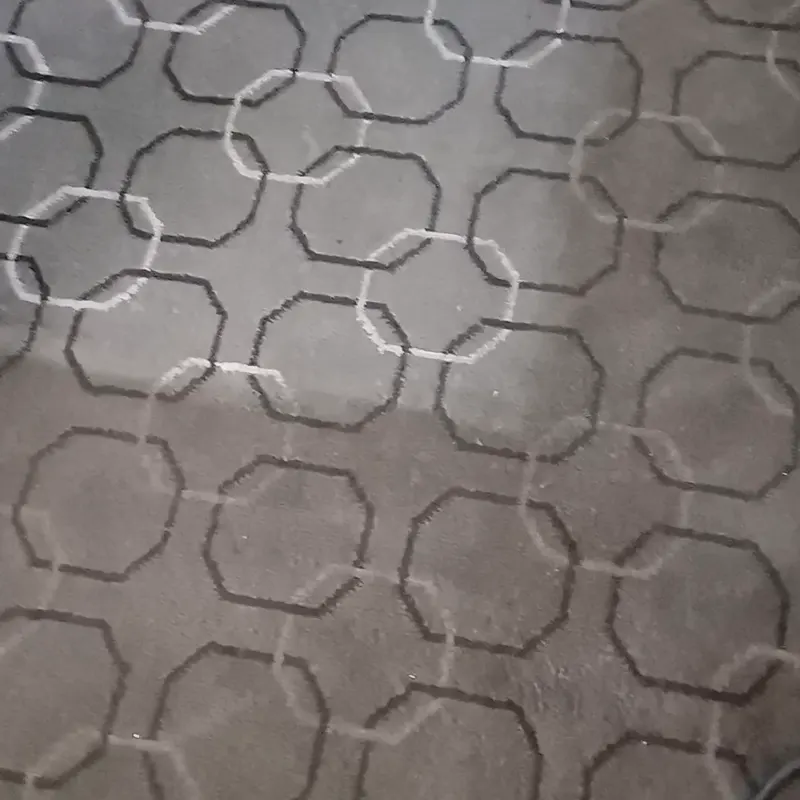
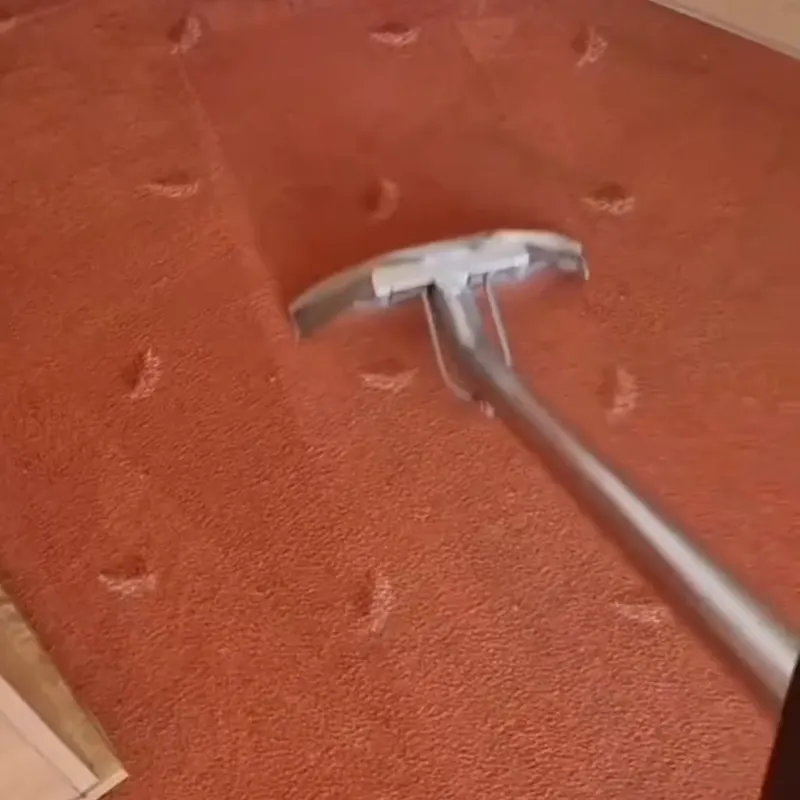
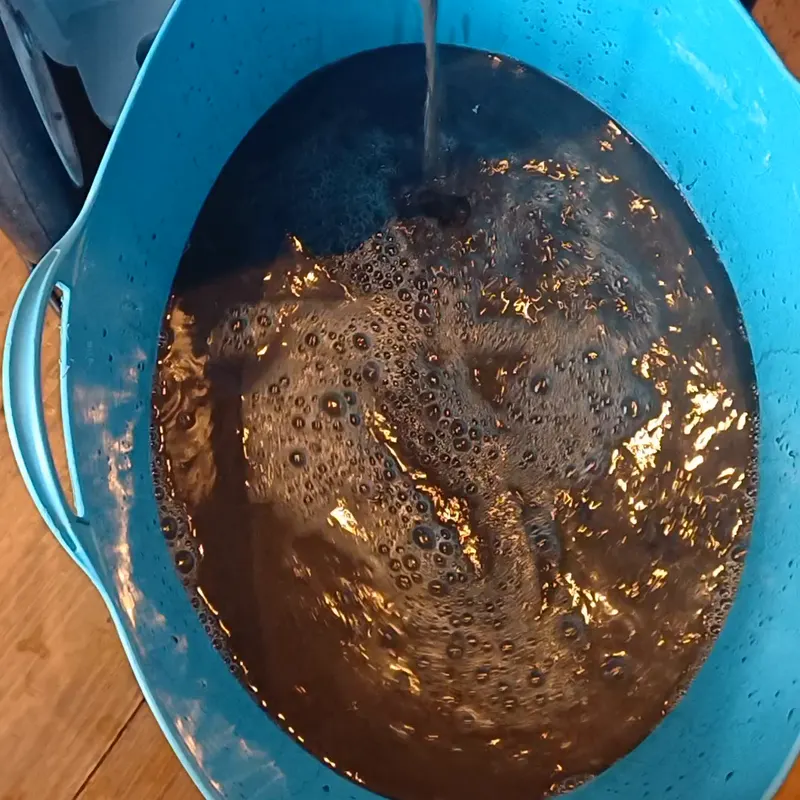
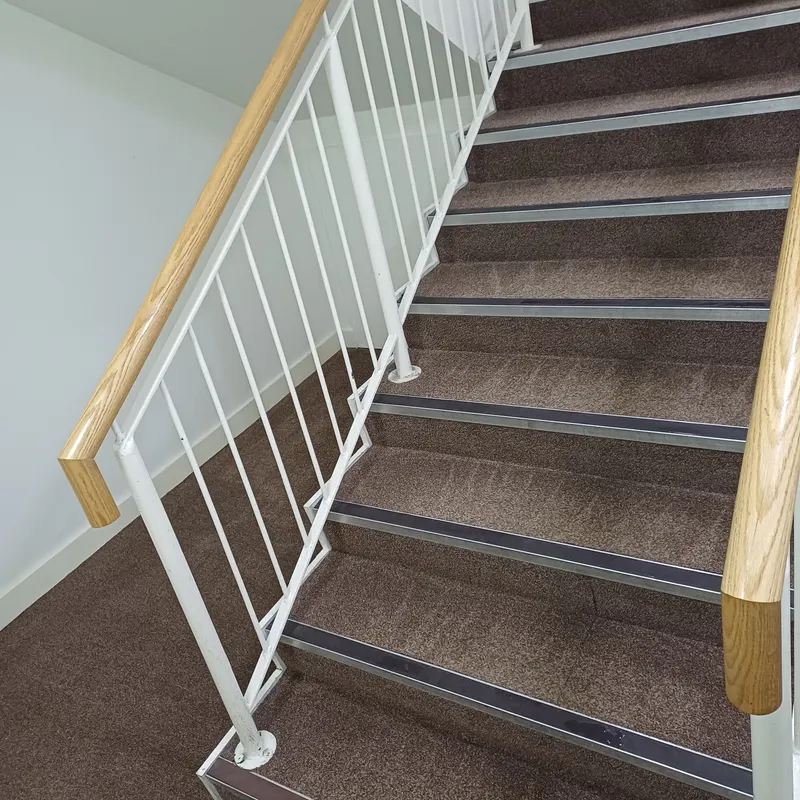
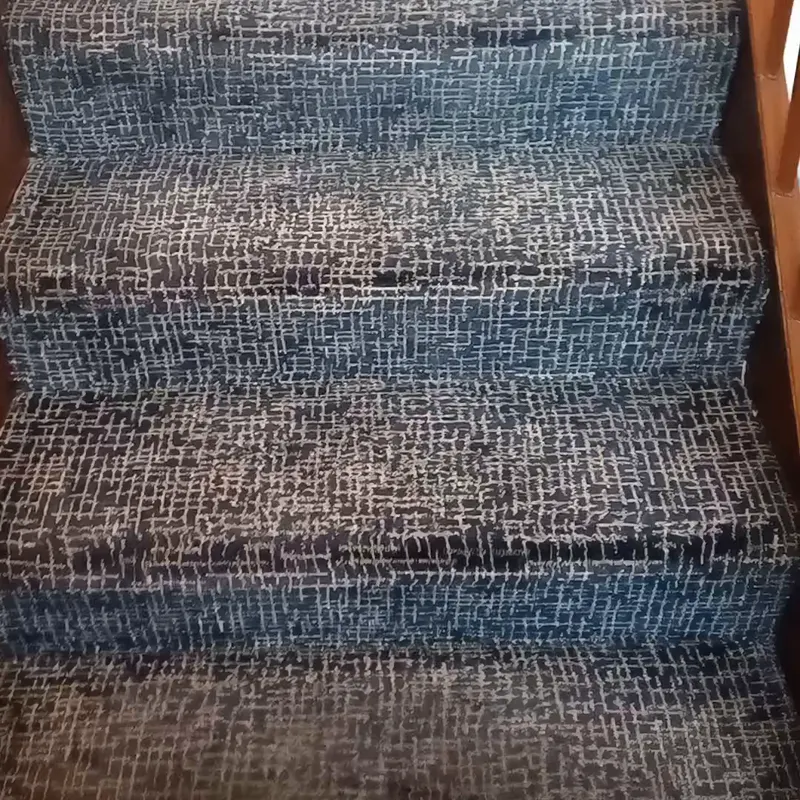
Carpet cleaning photos from our jobs
No stock photos: these are carpets we've cleaned, photographed during the work.
Special situations
After building work, and wool carpet in older homes
After building work and decorating
Plaster, sanding and drilling dust is far finer than ordinary household dirt. It settles deep in the pile, turns grey when it's walked in, and can leave carpet feeling gritty. A clean once the trades have finished lifts it out before it wears the fibres.
- Book the clean after the last trade has left, not between jobs.
- Let paint and filler dry fully, and mention any paint spots; dried emulsion can sometimes be softened, gloss rarely.
- Vacuum with a fresh bag or empty canister first, as fine dust clogs filters fast.
Wool carpet in older homes
Victorian and Edwardian terraces and older family homes often have wool carpet, sometimes decades old. Wool resists soiling well and cleans beautifully, but it doesn't like heat, strong alkaline products or being over-wetted.
- Cooler water and wool-safe products, with careful drying.
- Stair runners over painted treads cleaned with less water, by hand.
- An honest view if a much-loved carpet is worn rather than dirty.
See wool vs synthetic carpet for more.
Related guides
More on carpet care
Get a free quote
Tell us about the job
We'll come back to you with a clear price based on rooms, size and condition — no call-out obligation. Questions about cost first? See what affects carpet cleaning prices.
Quickest way to an accurate price: send a few photos of the rooms, stairs and any stains, or WhatsApp them to us.
FAQ
Common questions about carpet cleaning in Dublin
What's included in a standard carpet cleaning visit?
A standard visit covers your fitted carpets room by room, plus carpeted stairs and landings if you have them. We move light furniture where it's safe to do so, treat any obvious marks before the main clean, then clean the full carpet with hot water extraction. Anything outside that — a single stain-only visit, or a larger commercial contract — we're happy to scope separately when you get in touch.
How often should carpets be professionally cleaned?
It depends on the household. As a general guide, once a year keeps most carpets in good shape, with busier homes — young kids, pets, higher footfall — often better served by every six months. Light commercial spaces like offices or shop floors usually need a more frequent schedule than a family living room.
What carpet fibres can you clean — wool, synthetic, berber?
Yes, we clean the fibres found in the vast majority of Dublin homes — wool, wool-blend, nylon, polypropylene and berber-style loop pile carpets. Each fibre reacts a little differently to heat and moisture, so we check what we're dealing with and adjust water temperature and dwell time accordingly, rather than running one setting for everything.
Do you move furniture, or do I need to before you arrive?
We move light furniture — chairs, small tables, that kind of thing — as part of the visit, where it's safe to do so. Heavier pieces like wardrobes, beds or sofas are best moved beforehand if you're able to, or let us know in advance and we'll factor it into the plan and the quote.
Do you clean stairs and landings, or is that a separate job?
Stairs and landings are included as standard alongside fitted carpet in the rooms you're having cleaned — they're often the areas that show wear first, since they take the heaviest footfall. Let us know how many flights or landings you have when you request a quote, as it can affect the time the job takes.
Can you clean carpets in old or period Dublin homes?
Yes. Original carpets and stair runners in period terraces need a bit more care than a modern fitted carpet, and we adjust our approach accordingly — checking the fibre, testing an inconspicuous area first, and using appropriate heat and moisture levels throughout.
Can very old or heavily worn carpet still be cleaned?
We can clean most old or heavily worn carpet, and it usually comes up noticeably better — but we'll be honest with you: cleaning lifts dirt and staining, it doesn't restore pile that's been flattened or worn thin over years of use. If a carpet's past the point where cleaning will make a meaningful difference, we'll say so before we start rather than take the job on regardless.
Is hot water extraction cleaning safe for kids and pets?
Yes. We use hot water extraction with cleaning products suited to the carpet fibre, and the carpet is left damp rather than soaked. We'll always let you know a realistic time to keep kids and pets off the carpet while it dries, and we're happy to talk through anything you're unsure about before we start.
How long does a carpet take to dry after cleaning?
Most carpets are dry within a few hours to most of a day, depending on the fibre, how soiled the carpet was, and airflow in the room. Good ventilation — open windows, air moving through the house — makes the biggest difference. We'll give you a realistic estimate for your specific rooms before we start.
Does regular cleaning help a carpet last longer?
Grit and dirt worked into the carpet pile act like sandpaper on the fibres every time it's walked on, so keeping that build-up down with regular cleaning is generally kinder to the carpet than leaving it to accumulate. We can't promise a specific extension in lifespan — that depends on the carpet, footfall and how it's looked after day to day — but it's a reasonable, honest reason to stay on top of cleaning rather than leaving it for years.
What's the difference between a full clean and a quick refresh?
We don't run two separate service tiers — every visit is a full hot water extraction clean of the carpet, not a surface-only pass. If people mean a lighter, faster job on a small area or a carpet that isn't heavily soiled, that's really just a smaller version of the same clean rather than a different process. If cost is the concern, tell us the scope you have in mind when you request a quote and we'll price it accordingly.
Do you clean carpets in offices and other light commercial spaces?
Yes — we take on light commercial work such as small offices, consulting rooms and stairwells in apartment blocks, usually scheduled around opening hours to keep disruption low. For larger or scheduled commercial contracts, see our commercial carpet cleaning page.
I'm moving house or selling — can carpets be cleaned before viewings or handover?
Yes, that's a common reason people book us — before a move, after renovation work, or ahead of viewings when a property's going on the market. A clean carpet helps a room present well, though it's worth knowing that cleaning refreshes and lifts dirt from the fibre rather than replacing a carpet that's genuinely worn out or dated. We're happy to give an honest view of what a clean will and won't achieve before you book.
Will cleaning damage a berber or loop-pile carpet?
It shouldn't, if it's cleaned the right way. Berber and other loop-pile carpets are constructed differently to standard cut-pile carpet, so we use a technique and equipment pressure suited to that construction, avoiding anything that could snag or pull at the loops. We're careful with this fibre type specifically because a pulled loop can be more noticeable and harder to fix than ordinary wear.
Should carpets be cleaned after building work or renovation?
Often, yes. Renovation and building work tends to leave fine dust worked into the carpet pile, even in rooms that weren't part of the work directly, and that dust can sit deeper than a vacuum alone will reach. A hot water extraction clean afterwards lifts it back out. Let us know it's a post-renovation clean when you book so we can plan for it.
How long does a carpet cleaning visit take?
It depends on how much carpet there is, its condition, and how many stairs and how much furniture are involved. A single room is a short visit; a full house with stairs and a landing takes considerably longer. We'll give you a rough time on site when we quote, so you can plan your day.
Do you need water and electricity on the day?
Yes. The extraction machine runs off a normal socket and is filled from a tap, so we'll need access to both. If the power is off, as in some empty rentals, mention it when booking.
Will cleaning get rid of dents from furniture?
Cleaning and grooming the pile often helps light dents lift. Deep dents in older carpet, where the fibres have been crushed for years, may never fully recover. That's wear rather than dirt, and we'll say so if it's the case.
Can you clean carpet that's been soaked by a leak or flood?
A carpet soaked by a burst pipe or a flood isn't a cleaning job at first. It needs drying out and assessing quickly, often by a water-damage specialist or through your insurer, because the underlay and floor can be affected. Once it has been dried and assessed, we can talk about cleaning.
Can cleaning make a carpet shrink or the colours run?
It's uncommon with a properly controlled clean, but the risk is higher with some natural fibres, older carpets and carpets that have been over-wetted before. That's why we check the fibre and test where the carpet or the treatment calls for it before cleaning the whole floor.
Can you clean just one room, or a single stain?
Yes. One room, the stairs only, or a single stain are all fine. Ask when you request a quote whether a minimum charge applies to a small job, so there are no surprises.
Is hot water extraction the same as steam cleaning?
More or less. "Steam cleaning" is the everyday name for hot water extraction, although the water is hot rather than actual steam. Hot water and cleaning solution are rinsed through the pile and extracted straight back out. See hot water extraction explained.
Will carpet cleaning get rid of bad smells?
Smells from soil, spills, cooking and pets usually go with a proper clean, with odour treatment where needed. A musty smell from damp or mould is different: the source needs fixing, or the smell comes back. See damp and mould smells in carpet.
Should I clean or replace the carpets before selling a house?
A clean is usually enough to make carpet look and smell fresh for photos and viewings, at a fraction of the cost of new carpet. If a carpet is worn through or badly damaged, we'll say so. See does my carpet need replacing, or just cleaning?
Can you clean cream or very light carpet?
Yes, and light carpet shows the biggest difference. Old yellowing from age, sunlight or residue left by an earlier shampoo doesn't always reverse completely, and we'll tell you after a test if that's likely.
What's the difference between a clean and a deep clean?
It's mostly marketing. What matters is whether the carpet is pre-treated, properly rinsed and extracted, and groomed to dry. Every clean we do includes all of that, matched to the carpet's condition.
Do you clean carpets in holiday homes and lets?
Yes. Tell us your changeover dates and we'll plan the clean so everything is dry before the next guests or tenants arrive.