
Dublin-wide · Stains & Odours
Carpet stain removal Dublin homes call on when a mark won't shift.
Wine, coffee, mud, grease — most everyday stains respond well to the right treatment, applied properly. We also deal with general odours in a carpet, whether from damp, smoke or everyday life.
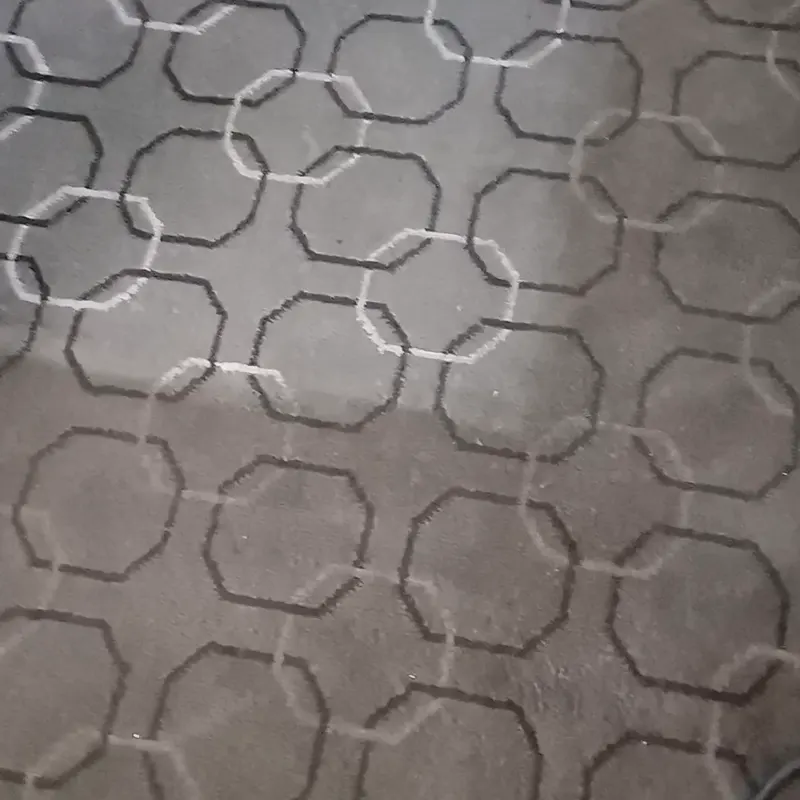
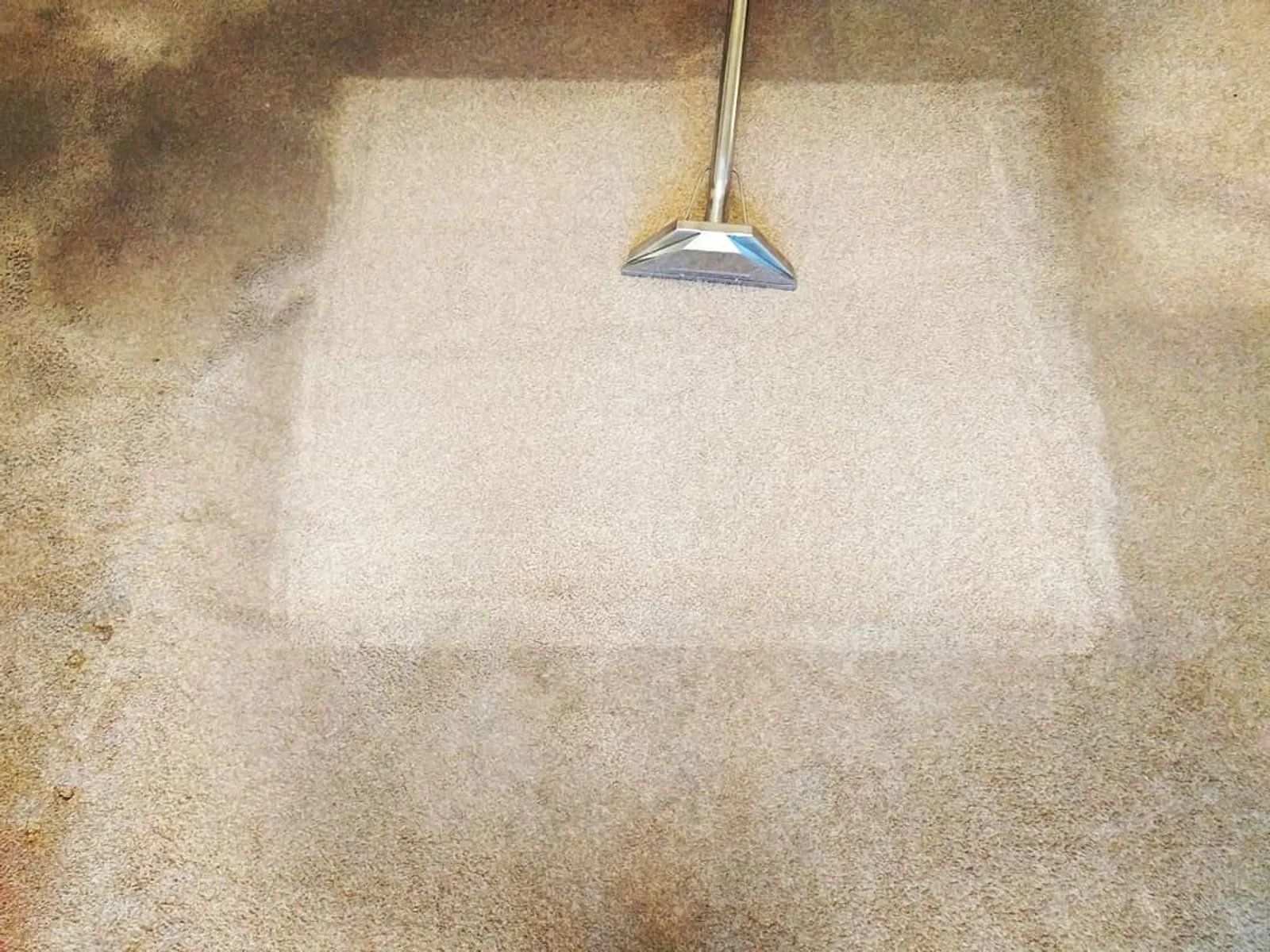 Real stain removal result
At a glance
- Stains treated for what they are: protein, tannin, oil, dye or soil.
- Fresh stains often come out completely; old ones usually lighten a lot.
- Bleach marks and burns are damage rather than stains.
- A photo of the stain is usually enough for a price.
What we treat
Everyday stains, treated the right way for what they are
Different stains behave differently, and what works on one can set another in deeper. We look at what caused the mark and how long it's been there before deciding on treatment.
Wine & drink spills
Red wine, tea, coffee and other drink stains respond best the sooner they're treated, but older marks can often still be lifted or significantly reduced.
Mud & everyday traffic marks
Mud, footpath grime and general traffic soiling in hallways and living areas — common in Dublin with the weather we get.
Grease & oil-based marks
Cooking grease and oil-based stains need a different approach to water-based ones. We match the treatment to the type of mark.
For stain-by-stain advice you can try yourself before we arrive, see our stain removal guides.
Odour treatment
Dealing with a smell in the carpet, not just masking it
Carpets can hold onto odours from damp, smoke, cooking or general everyday use, even when there's no obvious stain to see. Where the smell is coming from a general source like this, treatment is aimed at the carpet itself rather than covering it with fragrance. If the odour is specifically from a pet, our pet stain and odour removal page covers that in more detail — it needs a slightly different approach.
Standalone visit or full clean?
Which one makes sense for your situation
A single fresh stain, or a small number of specific marks, can often be treated as a standalone visit without cleaning the whole carpet. Where staining is widespread, the carpet hasn't been cleaned in a long time, or there's general soiling alongside the stain, a full clean usually gives a better and more even result — and it's often not much more than a targeted visit once we're on site. We'll tell you honestly which one we'd recommend when you get in touch, rather than upselling a full clean you don't need.
Areas we cover
Stain removal across Dublin
We cover Dublin city and county — find your area below or just get in touch.
What's included
What happens when we look at a stain
Every stain removal visit starts with a proper look at the mark rather than jumping straight to a spray bottle.
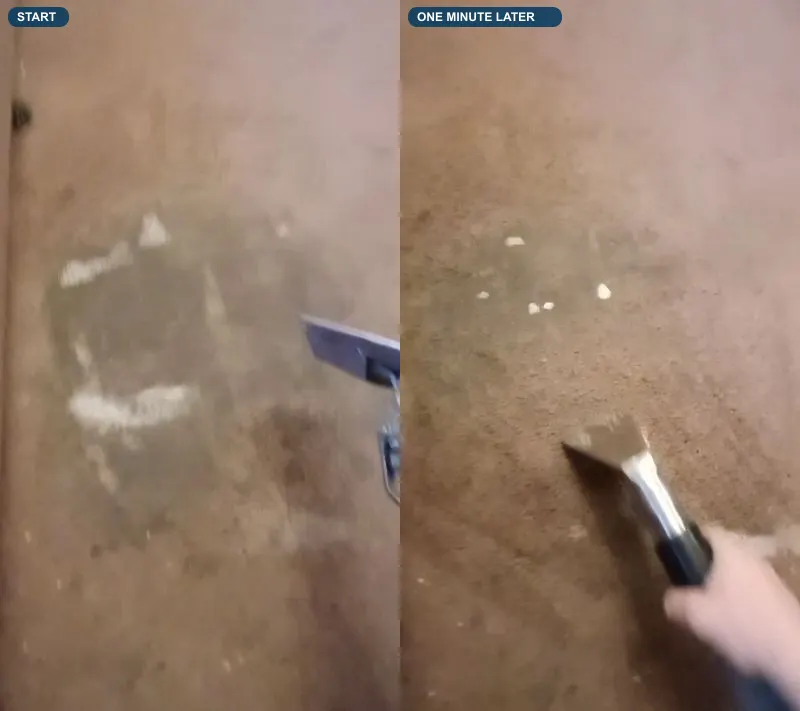
A real stain treatment in north Dublin: the same patch at the start and one minute later. A few white flecks were still being worked on at this point. The video of this job is on our before and after page.
We check what the carpet is made from, what's likely caused the mark, and how it's reacted so far, then choose a treatment approach that fits. Where we can, we'll lift the stain or reduce it significantly. Where a mark has already set in too deep, or the fibre and dye mean an aggressive treatment risks doing more harm than good, we'll say so rather than oversell the result. You'll get a straightforward assessment before we start and an honest outcome afterwards — not every stain lifts completely, and if that's the case with yours, we'll tell you plainly rather than let you assume otherwise.
Timing matters
Fresh stains vs old stains
A spill that's blotted up and treated within the first hour or two generally responds better than one that's had time to dry in, get walked over, or sit through a few cleaning attempts.
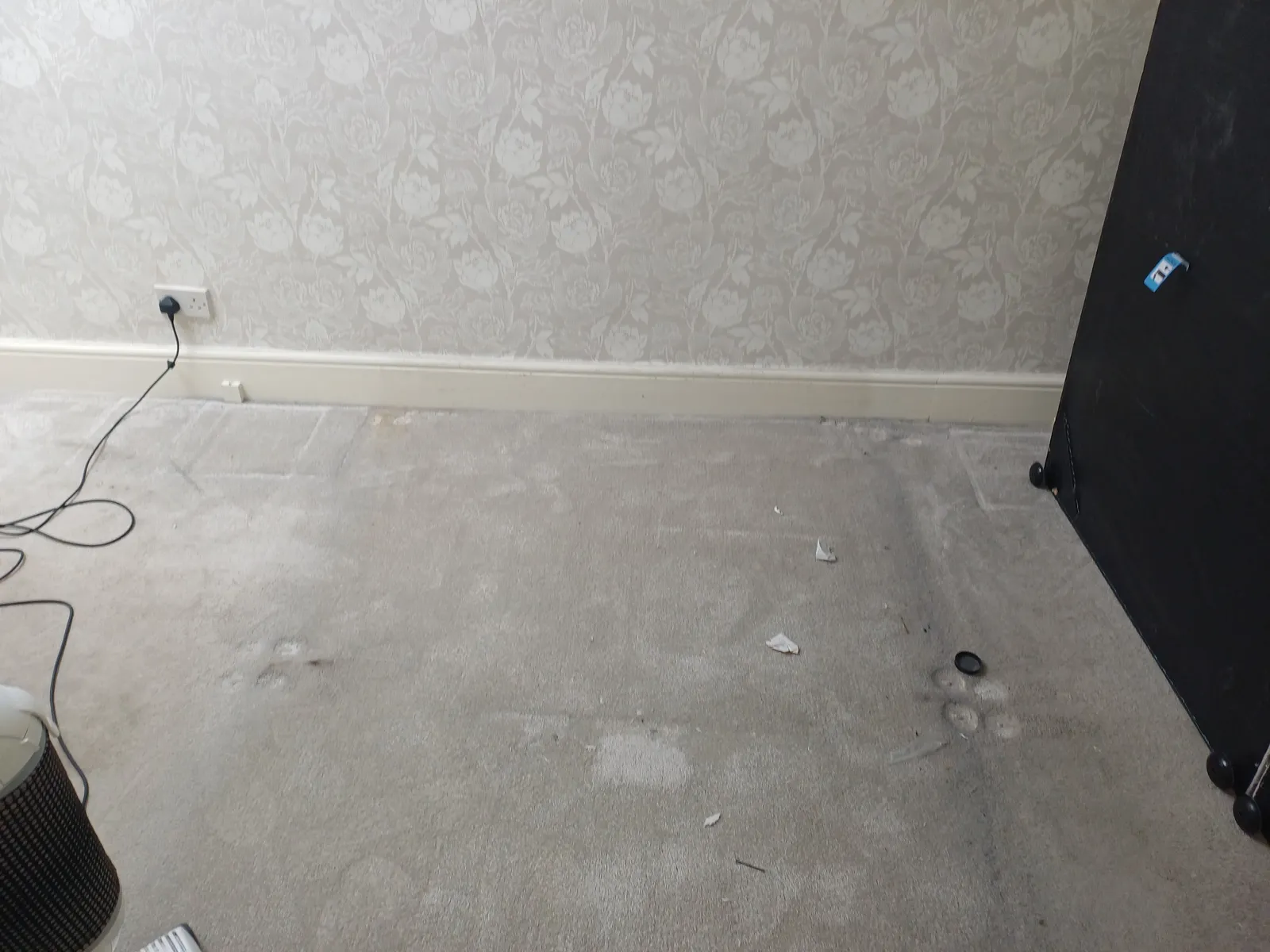
Fresh spills mostly sit on the surface of the fibre, so there's less for them to bond to. Once a stain dries, especially if it's been rubbed, walked on, or treated with a home remedy in the meantime, it can partially bond with the fibre itself, or in some cases get driven further down into the pile and backing by earlier attempts to clean it. That doesn't mean an old stain is a lost cause — plenty respond well to professional treatment — but it does mean we manage expectations honestly rather than promise the same result on a mark that's been there for months as we would on one that's still wet.
Common marks
Common stains we treat
A few of the marks we're called out for most often, and a bit about how they behave.
Coffee & tea
Coffee and tea are tannin-based stains that often look worse once they've dried, and can set further if heat — a hot iron, a hairdryer, or direct sun — is applied before they're properly treated.
Red wine & drink spills
Wine and other coloured drinks can leave a stain even after the visible spill is blotted up, particularly on lighter carpets, because some of the colour transfers into the fibre almost immediately.
Food & grease
Cooking oil, butter and other greasy marks behave differently to water-based stains and need a treatment suited to breaking down grease rather than one aimed at lifting colour.
Mud & general soiling
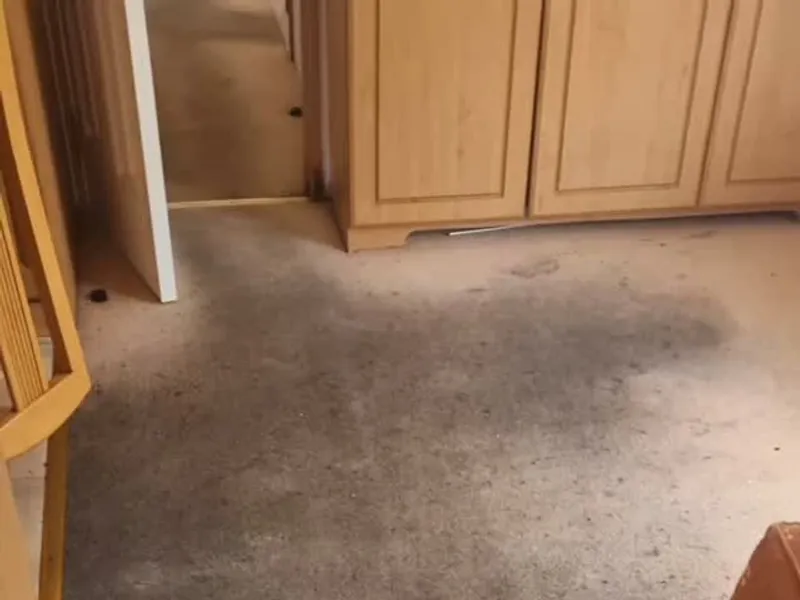
Dried mud and general foot-traffic grime usually responds well, though heavy soiling concentrated in one spot can sometimes point to ground-in dirt that's built up over time rather than a single spill.
Being upfront
Why results vary
We'd rather explain this clearly than let you assume every stain comes out the same way. How well a mark responds to treatment depends on a combination of things:
- The carpet's fibre — wool, nylon, polyester and other synthetics all react differently to moisture, heat and cleaning agents.
- The dye used in the carpet — some dyes are more stable than others, and an aggressive treatment on the wrong dye can affect colour as well as the stain.
- How old the stain is — a mark that's had time to dry in and set is generally harder to shift than a fresh one.
- What caused it — different substances, from drinks to food to grease to mud, need different treatment approaches.
- Whether it's already been cleaned or treated — earlier attempts, especially with the wrong product, can sometimes drive a stain deeper or partially set it rather than remove it.
- Heat exposure — ironing over a stain, using a hairdryer on it, or leaving it in direct sun can set some stains permanently.
- Chemical exposure — some shop-bought stain removers, and bleach-based products in particular, can strip or alter carpet colour permanently, which is a different problem to the original stain and one that's much harder to put right.
Because of all this, we won't promise a guaranteed full removal on a stain we haven't seen. We'll give you an honest assessment on site and treat it properly, but the result depends on the stain in front of us, not just the treatment we use.
Reappearing marks
Discolouration, wicking & reappearing stains
Occasionally a stain that looked fully treated on the day can seem to reappear a few days later as the carpet dries. This is usually what's known as wicking — residue from the original stain that wasn't fully removed sits deeper in the carpet pad or backing, and as moisture from cleaning evaporates upward through the fibre, it can carry that residue back up to the surface. It's a recognised phenomenon in carpet cleaning generally, not a sign that the clean failed, and it's not unique to any one product or process. If a mark reappears like this, further treatment can usually address it, so let us know and we'll take a look rather than leaving it.
Before we arrive
What to do while you're waiting for us
If you've got a fresh spill and want to do something before we arrive, a little care goes a long way.
Blot it gently with a clean, dry cloth or kitchen roll rather than rubbing it, working from the outside of the mark inward so you're not spreading it further. Avoid scrubbing — it can push the stain deeper into the pile and damage the fibres, making it harder to treat rather than easier. It's also worth holding off on home remedies involving heat, such as an iron or hairdryer, or bleach-based products until we've had a look, since these can sometimes make a stain harder to remove or affect the carpet's colour permanently. If you're not sure what to do in the meantime, our stain removal guides have stain-specific advice, or just get in touch and we'll talk you through it.
Stain by stain
What to do in the first five minutes, stain by stain
The first few minutes decide most stains. This is the safest first step for the marks we're asked about most, and what to avoid. When in doubt, blot, stop, and send us a photo.
| Stain | First step | Avoid |
|---|---|---|
| Red wine | Blot hard with white kitchen paper, then dab with cold water and blot again | Salt, white wine, and rubbing |
| Coffee and tea | Blot, then a little cold water with a drop of washing-up liquid, and blot dry | Hot water, which can set the tannins |
| Blood | Cold water only, dabbed and blotted from the outside in | Warm or hot water, which cooks the protein into the fibre |
| Vomit | Lift solids with a spoon, blot, then dab with cold water | Scented sprays that hide the smell for a day |
| Pet urine | Blot as much as you can with kitchen paper and gentle pressure | Ammonia cleaners, which can draw pets back to the spot |
| Grease and oil | Blot, then a drop of washing-up liquid in cold water, blotted out | Lots of water, which spreads it |
| Candle wax | Let it harden, then lift what you can with a blunt knife | Pulling at soft wax, or high heat that melts dye into the pile |
| Chewing gum | Harden it with ice in a plastic bag, then lift it in pieces | Cutting the pile, or solvents on unknown fibres |
| Nail polish | Blot gently and lift any thick blobs before they dry | Acetone, which can melt some synthetic fibres and backings |
| Ink and biro | Blot only, and keep it from spreading | Rubbing, and hairspray, which adds sticky residue |
| Mud | Let it dry completely, then vacuum it out before treating what's left | Scrubbing wet mud deeper into the pile |
| Rust | Move the metal, then leave it for us; rust needs a specific treatment | Bleach, which can make rust darker |
| Curry and turmeric | Scrape off solids, blot, and dab with cold water and a drop of washing-up liquid | Hot water and rubbing, which spread the yellow dye |
| Hair dye and fake tan | Blot immediately with cold water | Bleach-based products, which remove carpet colour too |
| Chocolate | Let it set, scrape off what you can, then blot with cold water | Warm water, which melts the fat into the pile |
| Bleach | Blot and rinse with cold water to stop it spreading | Hoping it can be cleaned out: bleach removes colour, so it's damage, not a stain |
For a fuller walk-through of the most common marks, see our guide to common carpet stains and how they're removed.
Be prepared
A stain kit worth keeping under the sink
You don't need special products to deal with most spills. You need the right few things to hand, so you're blotting within a minute rather than searching for a cloth.
- White kitchen paper or plain white cloths, so no colour transfers to the carpet.
- A spray bottle filled with cold water, for gentle, controlled dampening.
- Mild washing-up liquid, a drop in water, for grease and food.
- A spoon or blunt knife for lifting solids before they're pressed in.
- Ice cubes and a plastic bag for hardening wax and gum.
- Our number saved in your phone, for the marks that need more than blotting.
Things that make stains worse
- Rubbing or scrubbing, which spreads the stain and frays the pile
- Hot water on blood, egg, milk or other protein stains
- Bleach and strong oxygen cleaners on wool or coloured carpet
- Several different products layered on one mark
- Too much water, which soaks through to the underlay
- A hair dryer or heater to speed up drying
Beyond carpet
Stains on sofas, mattresses and rugs
The same stain behaves differently on different materials. Fabric over foam, thin mattress covers and loose rugs each need their own approach.
Sofas
Spills sink into the cushion foam, and the cleaning code on the label decides what's safe. Fabric is tested first.
Sofa cleaningChairs and headboards
Thin padding means marks reach the frame quickly, so stains are treated with care around wood and trims.
Upholstery cleaningMattresses
Rings and yellowing are the usual problems, and the filling underneath limits how much water can be used.
Mattress cleaningRugs
Dyes in some rugs move when wet, so stains are only treated after a dye test.
Rug cleaningReal work
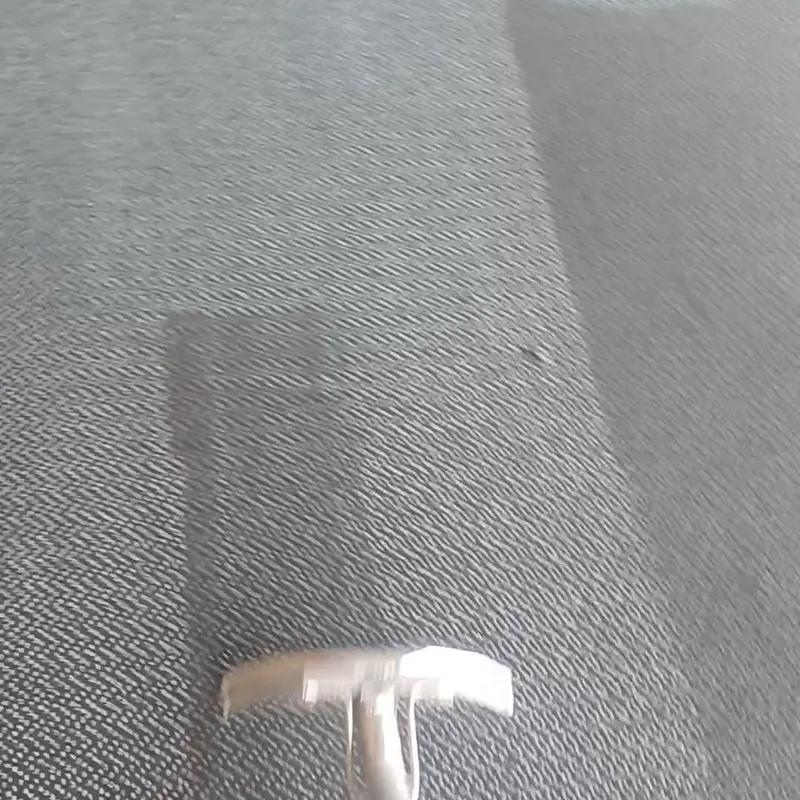
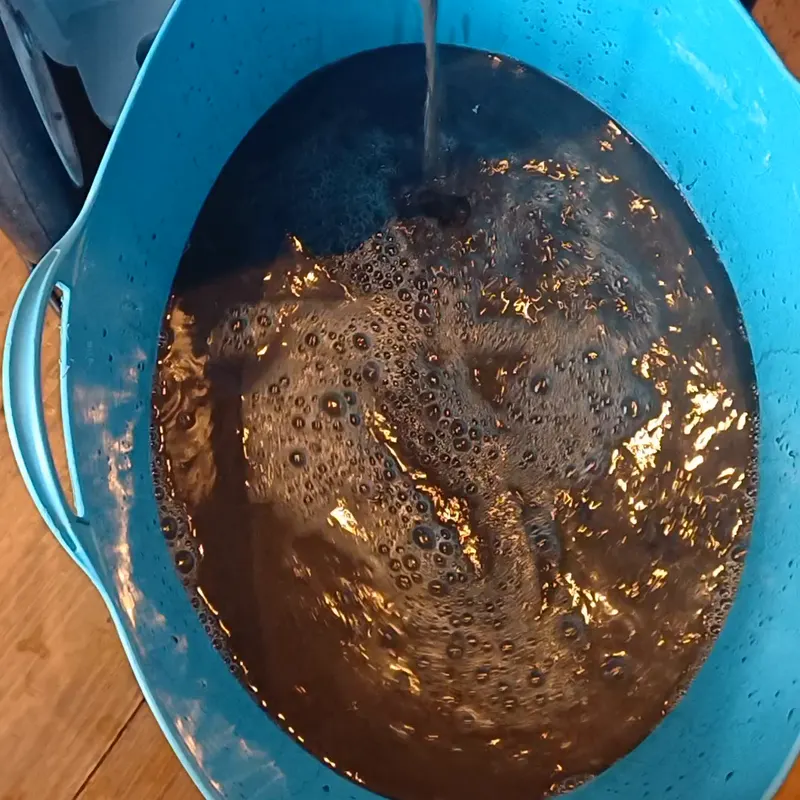
Stain treatment, close up
What treated carpet looks like during the job. Extraction rinses the fibres and pulls the soil and residue straight back out, rather than leaving it behind.
Our method
How professional stain removal works, step by step
Most stains that won't shift for a homeowner have simply been treated with the wrong thing. The difference with a professional treatment is mostly in the order and the matching.
Identify the stain
What it is decides what will lift it. A stain that's been there a while is identified by colour, feel and where it is, and by asking what's been used on it.
Test the fibre
Wool, nylon, polypropylene and natural fibres react differently to the same product, so the treatment is tested somewhere hidden first.
Apply the right treatment
A product matched to the stain type, given time to work rather than scrubbed in straight away.
Work it gently
Tamped and blotted from the outside in, so the stain lifts upward instead of spreading out and down.
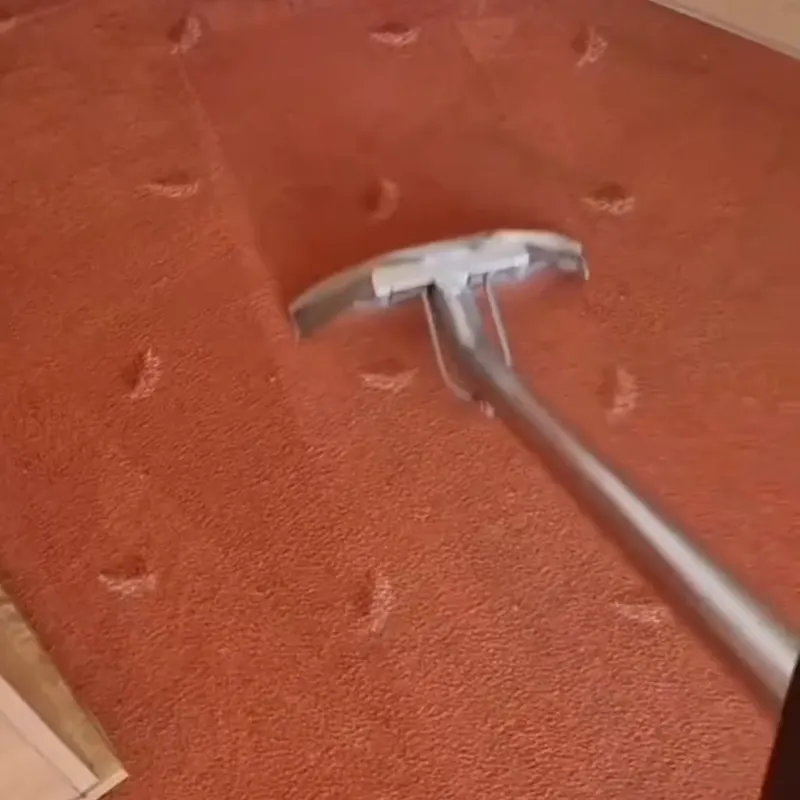
Rinse and extract
Hot water extraction rinses the stain and the treatment back out, so no sticky residue is left to attract new dirt.
Dry and check
The area is groomed and dried, and checked again, because some stains only show what's left once they're dry.
The science, simply
The five families of stains, in plain English
Almost every stain belongs to one of five families. Knowing which one you're dealing with explains why one product works brilliantly on one stain and makes another worse.
Protein stains
Blood, egg, milk, vomit and other body fluids. Heat cooks the protein into the fibre, which is why cold water is the rule. They respond to enzyme and protein-specific treatments.
Tannin stains
Tea, coffee, red wine, fruit juice and cola. Plant-based colour that can oxidise and darken with time and heat. Fresh tannin stains often come out completely.
Oil and grease
Cooking oil, butter, make-up, body oils and tar. Water alone pushes them around. They need a product that breaks the oil down first, then a thorough rinse.
Dye stains
Ink, hair dye, curry, turmeric, food colouring and coloured drinks. The colour bonds with the fibre the same way the carpet's own dye does, so these are the hardest to remove fully.
Particle soiling
Mud, soot, toner and the grey film in traffic lanes. Tiny solid particles that need to be loosened and physically lifted out, which is exactly what extraction does.
Many real stains are a mix: a curry stain is oil and dye, a muddy paw print is particles and sometimes protein. That's why a single "miracle" spray rarely does the whole job.
Old stains
What "set in" really means
People often say a stain has "set". In practice that usually means one of four things, and only some of them can be undone.
- Oxidised: tannin stains like coffee and wine darken with air and time. Often still treatable, with patience.
- Heat-set: hot water, an iron or a hair dryer has bonded a protein stain to the fibre. Usually lighter after treatment, rarely gone.
- Layered: several products tried one after another have left residue that holds dirt. Rinsing the residue out often reveals a much smaller stain.
- Dyed: the colour has moved into the fibre itself. It may lighten, but it may also be permanent.
If you've tried things on a stain already, tell us what, in what order. It changes how we treat it.
Worth knowing
Stains in rentals, and carpet protectors
Moving out with a stain
Treat it before the final inspection, not after. A professional treatment alongside a full clean is the best chance of it not becoming a deposit question. See end of tenancy cleaning.
Landlords between tenants
Old stains are easier to judge in an empty room. We'll tell you which will lift and which are wear or damage before the next tenant moves in.
Carpet protectors
Protector treatments can slow how fast spills soak in, but they're not a force field. Our article on whether carpet protector is worth it looks at the pros and cons.
Regular cleaning helps stains
A carpet that's cleaned regularly has less residue and soil in it, so new spills sit on top and lift more easily.
Related guides
More on stains & odours
Get a free quote
Tell us about the stain or odour
We'll come back to you with a clear price and a recommendation on standalone treatment or a full clean — no obligation.
Quickest way to an accurate price: send a few photos of the rooms, stairs and any stains, or WhatsApp them to us.
FAQ
Common questions about stain removal
Can you remove old, dried-in stains?
Often, yes, though results vary depending on the stain type, the carpet fibre, and how long it's been there. We'll give you an honest assessment before we start rather than promising a guaranteed result on a mark we haven't seen.
Is stain removal guaranteed, or could the mark come back?
We don't promise a 100% guarantee on every mark, because results depend on the stain, the carpet and how it was treated before we arrived. What we will do is give you an honest view before we start, and let you know if a full clean would give a better result than spot treatment alone.
Do I need a full carpet clean, or just the stain treated?
It depends on how localised the problem is. A single stain or a few marks can often be treated as a standalone visit. Widespread soiling usually gets a better result from a full clean — we'll recommend whichever suits your carpet.
What affects the cost of a stain removal visit?
Cost depends on how many marks need treating, how set-in they are, and whether it's a quick spot treatment or better handled as part of a full clean. See our prices guide for the general factors, or request a free quote for an exact figure.
How soon after a spill should I get in touch?
The sooner the better, generally — a fresh spill is usually easier to deal with than one that's had time to dry in and set. That said, don't panic if it's been a while; older stains can often still be treated, just sometimes with a different approach.
What should I do before you arrive?
Avoid rubbing a fresh stain or using household products on it if you can help it, as some can set a stain further. See our guides for stain-specific advice while you wait for us.
Can you treat red wine, coffee or tea stains?
Yes, these are some of the most common marks we're called out for. Wine, tea and coffee are tannin-based stains that can set further with heat, so avoid a hot iron or hairdryer on them before we arrive — see our stain removal guide for more on treating them at home in the meantime.
What about ink, blood or candle wax?
We can assess these too. They each behave differently on carpet — wax needs to be lifted rather than rubbed, for instance — so it's best not to experiment with home remedies that could spread the mark further, and let us take a look instead.
Does it matter if my carpet is wool or a synthetic fibre?
Yes — different fibres react differently to heat, moisture and cleaning agents, so we take the material into account when deciding how to treat a stain. Wool in particular needs a gentler approach than most synthetics. Let us know the carpet type when you request a quote if you know it.
Can you get rid of a smell in the carpet, not just a stain?
Yes, for general odours like damp, smoke or everyday use — treatment is aimed at the source in the carpet rather than just covering the smell. For odours specifically from pets, see our pet stain and odour removal page.
Can a grease or oil stain come back after it's been cleaned?
Occasionally, yes, if any residue was left behind from an earlier home attempt — the oil can work its way back to the surface over the following day or two. Professional treatment aims to draw it out fully, but let us know if a mark reappears after we've been.
Do you treat stains on rugs as well as carpets?
Yes — the same honest approach applies to rugs. See our rug cleaning page for how we handle different rug materials, or mention it's a rug when you request your quote.
Why might an old stain not come out completely?
Older stains have often had time to bond with the carpet fibre, or may have been driven deeper by an earlier cleaning attempt, sometimes with the wrong product. Heat and certain chemicals, including some bleach-based removers, can also set a stain permanently by altering the carpet's dye rather than just leaving residue. We'll always give you an honest view of what's realistic for a specific mark rather than promise full removal.
What is wicking, and why does a stain sometimes reappear after cleaning?
Wicking is where residue from a stain that wasn't fully removed sits deeper in the carpet pad or backing, and gets carried back up to the surface as moisture from cleaning evaporates. It can make a stain that looked gone on the day reappear a few days later. It's a recognised, fairly common phenomenon in carpet cleaning rather than a sign the clean failed, and further treatment can usually address it.
Can hair dye be removed from carpet?
Sometimes it can be lightened, especially if it's blotted quickly with cold water. Hair dye is designed to be permanent, though, and on many carpets it bonds with the fibre the same way it bonds with hair. We'll test it and tell you honestly what's likely before treating it.
Can bleach marks on carpet be cleaned out?
No. Bleach removes the colour from the fibre, so there's nothing left to clean out. It's damage rather than a stain, and the fix is a carpet repair, such as a patch, rather than cleaning.
Can rust marks from furniture legs be removed?
Usually they can be lifted or lightened a lot with a rust-specific treatment, tested on the fibre first. Move the furniture or put a coaster under the leg, and don't use bleach, which can darken rust. See rust stains from furniture legs.
Can you get curry or turmeric out of a carpet?
Often it lightens a lot. Turmeric is a strong yellow dye, so the sooner it's blotted and treated the better. On light carpets a faint yellow tint can remain, and we'll tell you if that's likely after a test.
Should I use nail polish remover on a nail polish spill?
Not without testing it. Acetone can melt some synthetic fibres and the glue in carpet backings, which turns a stain into permanent damage. Blot what you can and get in touch. See what actually works on nail polish.
Can you remove an old red wine stain?
Often, yes, or at least lighten it a lot. Red wine is a tannin stain that darkens as it oxidises, so old stains take more work than fresh ones, and salt or white wine poured on it at the time can make it harder. We'll test it and tell you what to expect.
Can you get paint out of carpet?
It depends on the paint. Water-based emulsion that hasn't fully cured can sometimes be softened and lifted. Oil-based gloss and fully cured paint rarely come out completely without damaging the pile, and we'll be honest about that before trying.
Can you remove chewing gum from carpet?
Yes, in most cases. It's hardened, lifted in pieces and the residue treated, without cutting the pile. See safe chewing gum removal for what to try first.
What should I never put on a carpet stain?
Bleach, hot water on protein stains, coloured cloths, and several different products one after another. Bleach removes colour, heat sets stains, and layered products leave residue that holds the stain in. Blot, use a little cold water, and stop if it isn't working.
Can you remove make-up and foundation stains?
Usually they lift or lighten well. Foundation and lipstick are oily, so they need a pre-treatment that breaks the oil down before rinsing, rather than water alone. Strong pigments can leave a faint trace on light carpet.
Is there a minimum charge to treat a single stain?
Ask when you request a quote and we'll tell you up front. For a single stain, a photo is usually enough for us to give you a clear price before anything is booked.