
Dublin-wide · Wool, Natural Fibre & Synthetic Rugs
Rug cleaning Dublin homeowners trust with the rugs that actually matter to them.
A rug isn't just floor covering — it's often a specific piece someone chose, inherited or paid good money for. We clean it according to what it's made of, not a generic once-over.
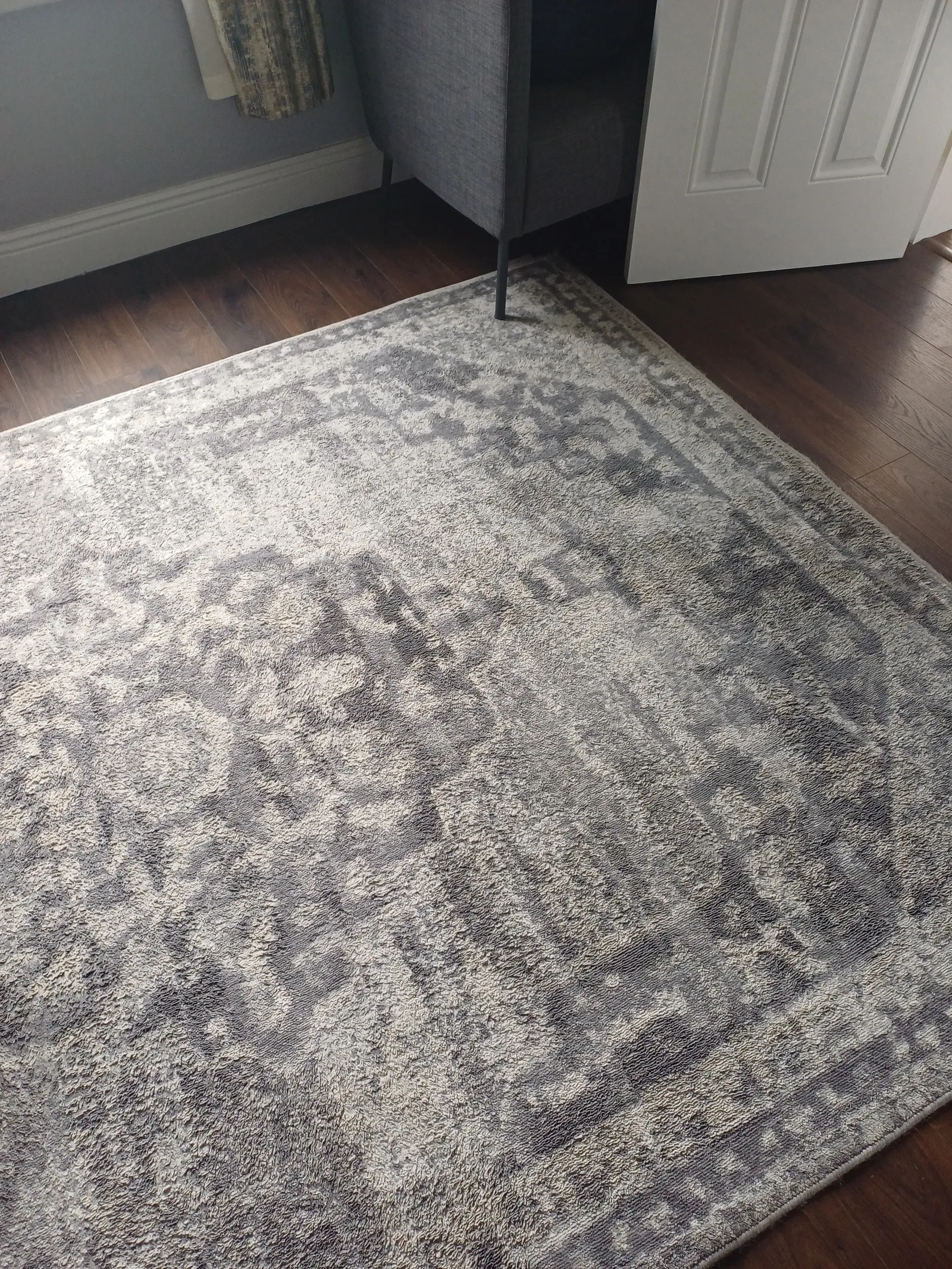
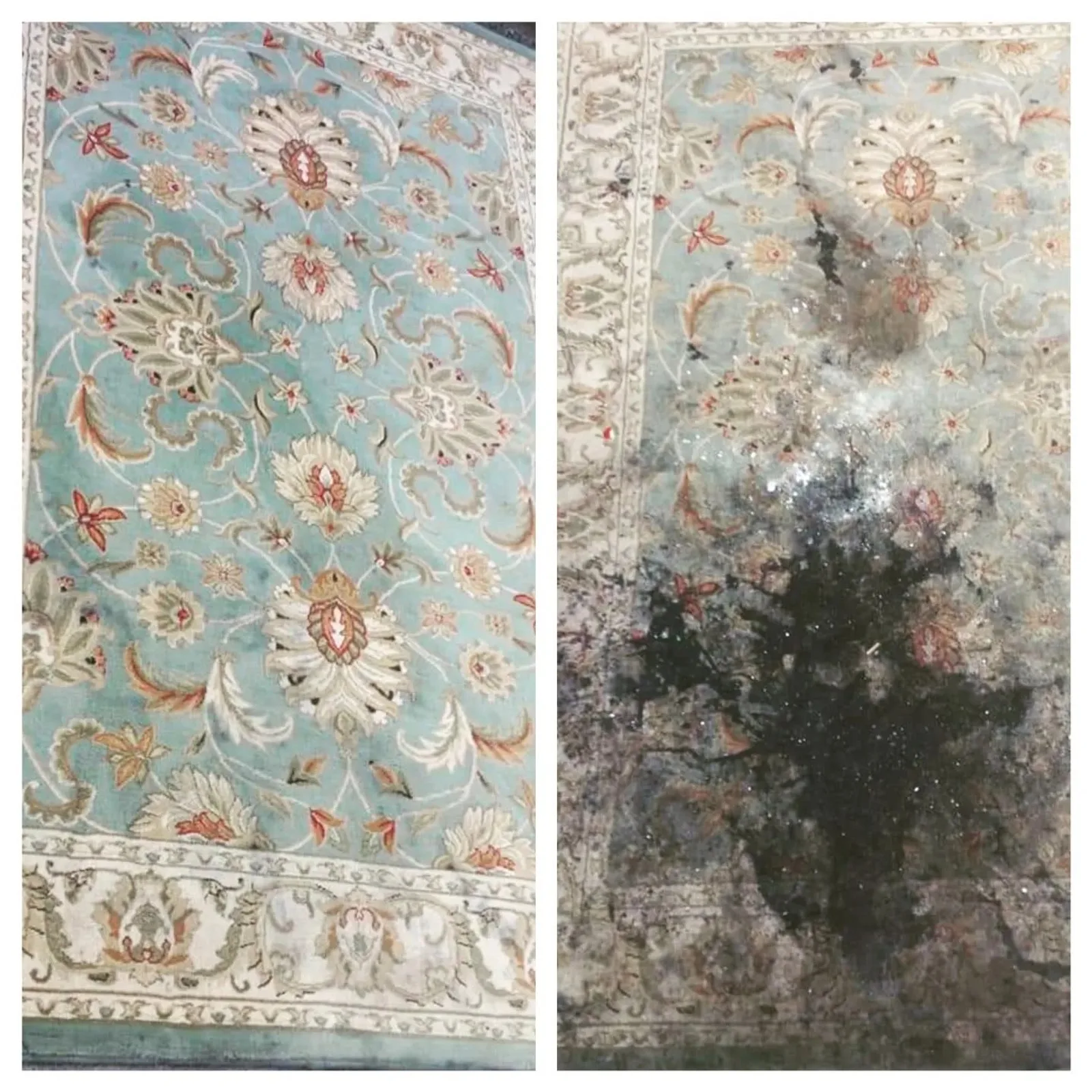 Real before & after — Persian-style area rug
At a glance
- Prices from €45 for a small rug and €75 for a large one, VAT included. See the price list.
- Rugs cleaned in place or collected, depending on the rug.
- Dyes are tested first; wool, jute and viscose are each handled differently.
- Fringes cleaned and combed, and the floor underneath protected.
- Honest advice if a rug needs a specialist instead.
Why rugs are different
A rug gets treated as its own job, not an add-on
Fitted carpet is cleaned wall to wall. A rug is a standalone object — often bought deliberately, sometimes handed down, occasionally worth a good deal more than the room it sits in. We start by looking at what the rug is actually made of and how it's constructed before deciding how to clean it.
Wool & natural fibre
Wool, cotton, jute and other natural-fibre rugs need a gentler approach and more careful drying than synthetic ones. We match the method and the products to the fibre rather than treating every rug the same.
Synthetic rugs
Nylon, polypropylene and other synthetic rugs are generally more forgiving and dry faster, which usually makes them straightforward to clean in place at home.
Construction & dye
Hand-knotted, flatweave, tufted or machine-made — construction affects how a rug can be handled, and dye stability affects what cleaning approach is safe. We check before we start, not after.
Real result
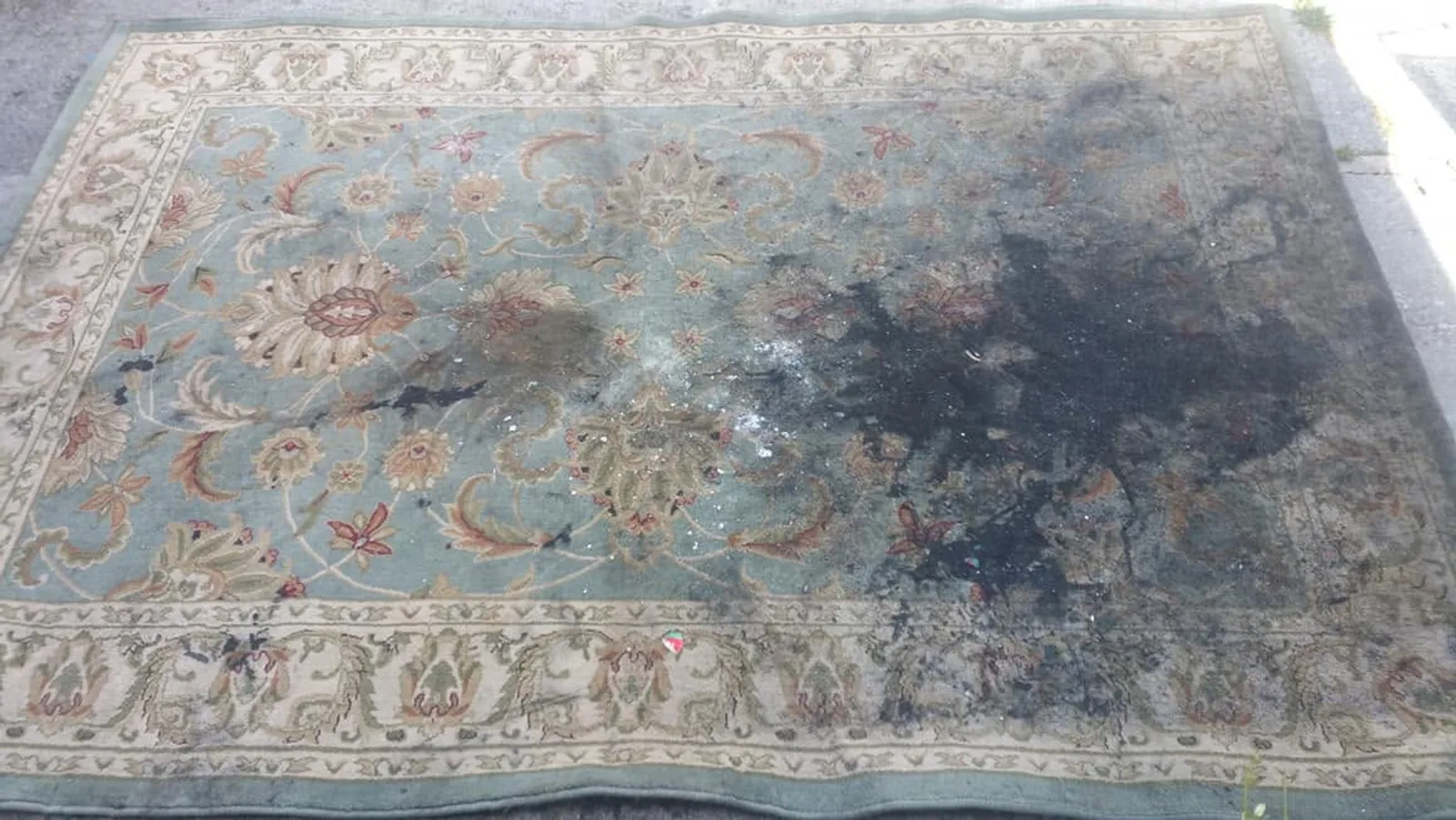
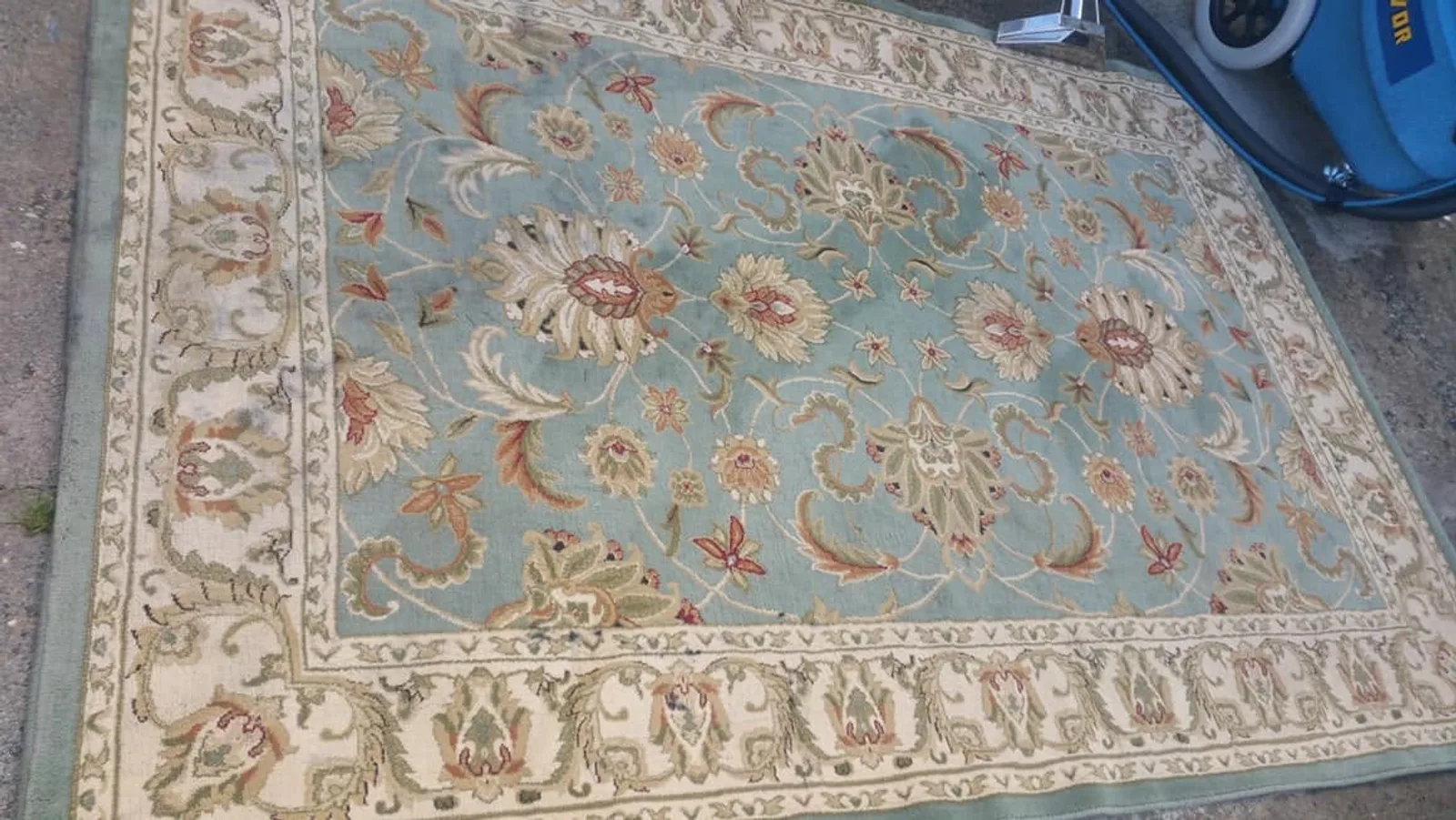
Before & after — a soiled area rug
How it works
Cleaned in place, or collected — whichever suits the rug
Some rugs are best cleaned where they lie. Others benefit from being taken away and cleaned properly outside the room. We'll talk you through which makes more sense for your rug when you get in touch — it depends on the rug itself, the level of soiling, and what suits you.
- 1
Tell us about the rug
Size, fibre if you know it, age, and what's on your mind — a stain, general soiling, odour, or just a routine clean.
- 2
We recommend in-place or collection
Cleaned in place or collected, depending on the rug and your preference — we'll explain why we'd suggest one over the other for your particular rug.
- 3
Free, no-obligation quote
You'll know the cost before anything is booked in.
- 4
Cleaned and returned to use
We'll give you a realistic drying time so you know when the rug's ready to go back down.
Specialist & valuable rugs
Honest care for the rugs you're precious about
If a rug is old, hand-knotted, a family piece, or one you simply don't want to risk, say so when you get in touch. We'll be straight with you about what we can do and, if a rug's condition or value is genuinely beyond what's appropriate for us to take on, we'd rather tell you that upfront than guess. We're not going to claim credentials we don't hold — what we can offer is careful, fibre-appropriate cleaning and honesty about where that ends.
Areas we cover
Rug cleaning across Dublin
We collect and clean rugs across Dublin city and county — find your area below or just get in touch.
What's included
What you get with a rug clean
Every rug clean starts the same way, regardless of the rug: we look at the rug itself before we touch it. That means an inspection of its condition, a check of what fibre and dye it's made from, choosing a cleaning method that suits that fibre, and clear guidance on drying once we're done.
Before we clean
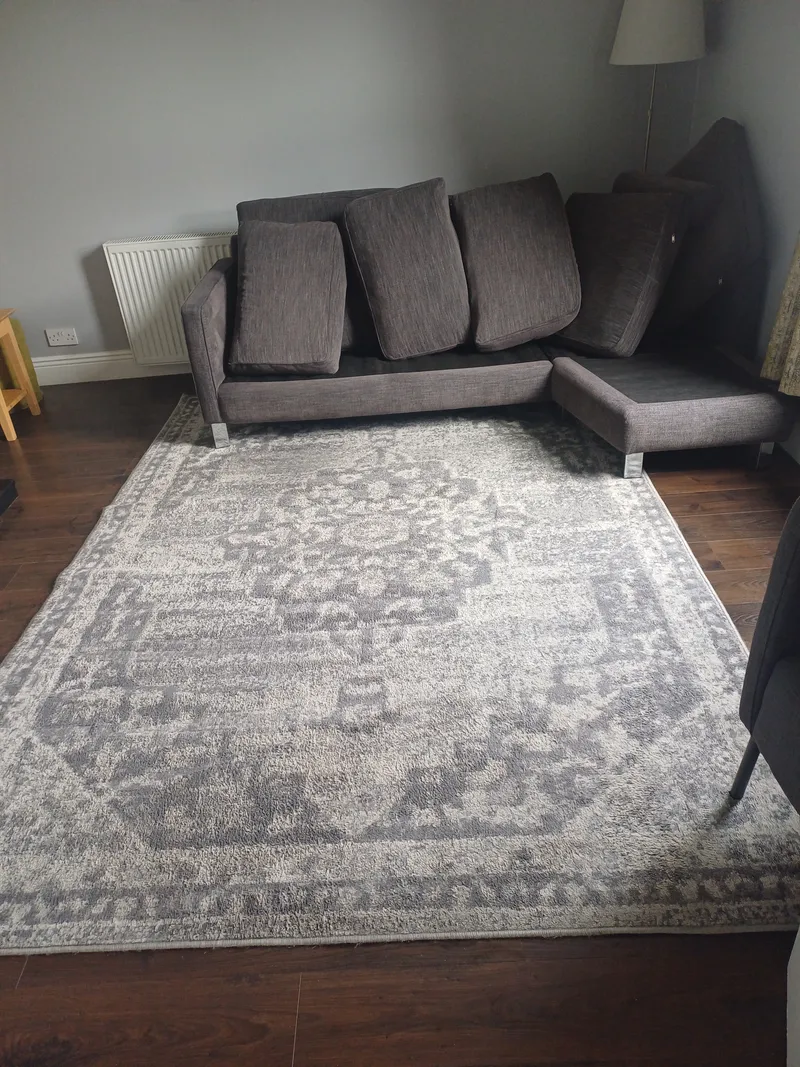
Rug inspection & fibre testing
Before any cleaning starts, we check what the rug is actually made of and how stable its dyes are — usually by testing an inconspicuous area, such as a corner or the underside, before working on the rest of it. A rug that looks similar to another one can behave completely differently once water and cleaning products are involved, so we don't assume — we check, then choose the method that fits.
What we treat
Common rug stains we treat
Rugs pick up the same everyday marks as fitted carpet — just concentrated on a smaller, often more visible area. Here's what we're typically asked to deal with.
Coffee & tea
Common on rugs near seating areas. See our stain removal page for how we approach these marks.
Wine & food spills
Fresh or set-in, these respond differently depending on the rug's fibre. More detail on our stain removal page.
Pet accidents
Odour as well as staining is usually the concern here. Our pet stain removal page covers how we approach this.
General soiling & grit
Everyday foot traffic and ground-in grit dull a rug over time, even without a specific stain. A proper clean lifts this out of the pile.
Delicate rugs
Delicate & specialist rugs
Older, hand-knotted or more delicate rugs get handled with extra care — gentler agitation, closer attention to the fibre testing step, and cleaning methods chosen to suit the rug rather than to speed things up. As above, if a rug's age, construction or value is genuinely beyond what's appropriate for us to take on, we'll say so rather than guess.
After cleaning
Drying
Rugs often take longer to dry than fitted carpet, particularly thicker or wool rugs. Once cleaned, keep the rug flat and in a well-ventilated spot, avoid heavy foot traffic on it until it's fully dry, and keep it away from direct heat sources such as radiators, which can affect the dye. We'll give you a realistic idea of drying time for your specific rug before we start.
Know your rug
Rug types, and how each one is cleaned
Two rugs can look alike and behave completely differently once they're wet. This is how we approach the types we see most, and how you can usually tell which one you have.
| Type | How to recognise it | What we watch for |
|---|---|---|
| Hand-knotted wool | The pattern shows clearly on the back, and the fringe is part of the rug, not sewn on | Dye stability, gentle agitation, and slow, even drying |
| Hand-tufted wool | A fabric or canvas backing glued on underneath | The glue can soften and smell if it's over-wetted, so moisture is kept low |
| Flatweave, kilim, dhurrie | No pile, the same on both sides | Strong colours that can bleed into each other, so they're always tested |
| Shaggy and high pile | Long, loose strands you can lose a hand in | Grit hides at the base, so a thorough vacuum first and a longer drying time |
| Viscose or "art silk" | Very shiny, soft, often sold as a silk-look rug | Weak when wet and prone to browning and flattening. See why viscose needs specialist care |
| Jute, sisal and seagrass | Coarse, natural plant fibres, usually in neutral colours | Water can brown or stain plant fibres, so little or no water. See caring for natural-fibre rugs |
| Machine-made synthetic | A uniform, often printed pattern and a stiff backing | Usually the most forgiving, and often cleaned in place at home |
Not sure what yours is? A photo of the front, the back and the label, if there is one, usually tells us enough before we arrive.
Is it time?
Signs a rug needs a professional clean
Rugs hide dirt well, especially patterned ones. These are the giveaways.
- Grit falls out when you fold back a corner or tap the back of the rug.
- A dull, flat path where people walk across it, compared with the edges under the furniture.
- Colours look muted, and brighten noticeably when you rub a damp white cloth on them.
- The fringe has gone grey from being walked on and caught in the vacuum.
- A smell on damp days, often from an old spill or a pet's favourite spot.
- It came from someone else's home: inherited, second-hand or bought at auction.
Fringes and floors
The parts of a rug clean people forget
Fringes
On hand-made rugs the fringe is the end of the rug's own threads, usually cotton. It's cleaned and combed straight, but cotton that has gone grey or brown over years of vacuuming may lighten rather than turn white again. Worn or missing fringe is a repair job, not a cleaning one.
The floor underneath
A damp rug shouldn't sit flat on a timber floor, because moisture and dye can mark the wood. When a rug is cleaned in place, we plan for the floor; when the risk is too high, collection makes more sense.
Rug pads and underlays
A rug pad stops slipping and reduces wear, but it holds grit too. Lift it when you vacuum, and let it dry fully before the rug goes back on top after a clean.
Moths
Wool rugs under beds and sofas, where light rarely reaches, are where clothes moths settle. Bare patches with fine webbing are moth damage, not dirt, and they need dealing with before any clean.
Being realistic
What rug cleaning can and can't fix
Usually improved
- Ground-in grit and general dullness
- Most food and drink spills
- Everyday odours and recent pet accidents
- Flattened pile in walkways, helped by grooming
- Muted colours brought back up
Not fixed by cleaning
- Dye that has already run between colours
- Moth damage and bare patches
- Worn or missing fringes
- Sun fading on one side
- Browning already set into viscose or jute
If a rug's age, value or condition puts it beyond what's sensible for us to clean, we'll say so before we start rather than after.
Between cleans
Looking after a rug so it lasts
Rugs can last for decades. A few habits make the difference between one that wears evenly and one that wears out.
Turn it twice a year
Rotating a rug 180 degrees spreads the wear from walking and evens out fading from the window.
Vacuum both sides now and then
Grit works through to the back. Vacuuming the underside occasionally pushes it out, and it's a good moth check.
Go easy on the fringe
Vacuum across the rug, not into the fringe, and turn off the beater bar on hand-made rugs.
Blot spills straight away
Blot from the outside in with white kitchen paper. Rubbing spreads the spill and can make dyes run.
Mind strong sunlight
Rugs in south-facing rooms fade on the sunny side. Blinds during the brightest hours help.
Read the full guide
Our rug cleaning guide goes into more detail on fibres, stains and care.
Step by step
How a rug is cleaned in place
Most rugs are cleaned where they lie. This is the order we follow, so the rug and the floor underneath are both looked after.
Inspect front and back
Construction, fibre, fringe and any damage, checked before anything else happens.
Test the dyes
A damp white cloth on a corner shows whether any colour moves. If it does, the method changes.
Dry soil out
A thorough vacuum, front and back where possible, removes the grit that hides at the base of the pile.
Protect the floor
The floor underneath is protected so moisture and dye can't mark it.
Clean with the right moisture
Hot water extraction for robust rugs, a lower-moisture approach for wool and delicate fibres.
Groom and dry flat
The pile and fringe are groomed and the rug left to dry flat, with drying advice for the room.
Your options
When collection makes more sense than cleaning at home
Cleaning at home suits most rugs. Sometimes, though, taking a rug away is the safer choice, and we'll suggest it when it is.
- Delicate or unstable dyes that need more control than a room allows.
- Floors that mustn't get damp, such as some solid timber or antique floors.
- Very heavy soiling or odour that needs more time and rinsing than an in-home clean.
- A busy room where a rug couldn't be left undisturbed to dry.
Either way, you'll know the price and the plan before anything is booked. See our rug cleaning guide for more.
Related guides
More on carpet & rug care
Get a free quote
Tell us about your rug
We'll come back to you with a clear price and a recommendation on in-place or collection cleaning — no obligation.
Quickest way to an accurate price: send a few photos of the rooms, stairs and any stains, or WhatsApp them to us.
FAQ
Common questions about rug cleaning
Do you clean the rug at my house, or take it away?
Both are options — cleaned in place or collected, depending on the rug and your preference. We'll recommend one based on the rug's fibre, size and condition when you get in touch.
Is it safe to clean a wool rug the same way as a synthetic one?
No, and we don't. Wool and other natural fibres need a gentler approach and different drying care than synthetic rugs, so we adjust the method to the fibre rather than using one process for everything.
My rug is old or was inherited — can you still clean it?
In many cases yes, with appropriate care. Tell us about the rug when you enquire — age, construction, condition — and we'll be honest about what we can do, and say so if we think a rug needs a level of specialist attention beyond what we offer.
How long does a rug take to dry?
It depends on the fibre, thickness and how it's dried. Natural fibre rugs generally take longer than synthetic ones. We'll give you a realistic estimate before we start.
Can you remove stains or odours from a rug?
Often, yes — see our stain removal and pet stain removal pages for how we approach specific marks and odours as part of a rug clean.
Do you inspect a rug before cleaning it?
Yes. Before we clean any rug, we check its fibre type and test dye stability in an inconspicuous area, because the right cleaning method depends on what the rug is actually made of rather than a one-size-fits-all approach.
Can a heavily soiled rug still be cleaned successfully?
Often, yes, though results depend on the rug's fibre, what caused the soiling and how long it's been there. Very heavy or old staining may not lift completely, but a proper clean usually improves the rug significantly. We'll always be honest with you about what to expect before we start.
Can you clean a viscose or "art silk" rug?
Sometimes, with limits. Viscose is weak when wet and can brown, flatten or lose its shine, so it's tested first and cleaned with very little moisture. If the risk is too high for a particular rug, we'll say so rather than chance it. See why viscose needs specialist handling.
Can you clean a jute or sisal rug?
Yes, carefully. Plant fibres like jute, sisal and seagrass can brown or mark if they get too wet, so they're cleaned with little or no water and the focus is on dry soil removal and careful spot treatment.
Will the colours run when you clean my rug?
We test the dyes before cleaning, usually on a corner or the back, to see whether they're stable. If a colour moves in the test, the method changes, or we advise against wet cleaning that rug at all.
Can you get dog urine out of a wool rug?
The odour can usually be treated at the source. Staining is harder: urine can change the dye in wool, and that colour change won't always reverse. Recent accidents come out far better than old ones. See pet stain and odour removal.
Do you clean the fringes on a rug?
Yes. Fringes are cleaned and combed straight as part of the job. Cotton fringe that has gone grey or brown over many years may lighten rather than turn white again, and damaged fringe needs a repairer rather than a cleaner.
How big a rug can you clean at home?
Most room-size rugs can be cleaned where they lie, as long as there's space to work around them and the floor underneath can be protected. For delicate rugs, or ones on floors that shouldn't get damp, collection can be the better option.
Can you clean a sheepskin or cowhide rug?
Not with water. Hides and skins can shrink, stiffen or lose hair when they get wet, so they need a specialist hide cleaner. We'll tell you if that's the case for yours, and can still clean the rest of the room.