
Dublin-wide · Dogs & Cats
Pet stain and odour removal Dublin owners call when the smell keeps coming back.
If you've tried shop-bought sprays and the smell returns as soon as the room warms up or the carpet gets damp again, that's usually because the source hasn't actually been treated — just covered. We aim to deal with the source, in carpets and upholstery.
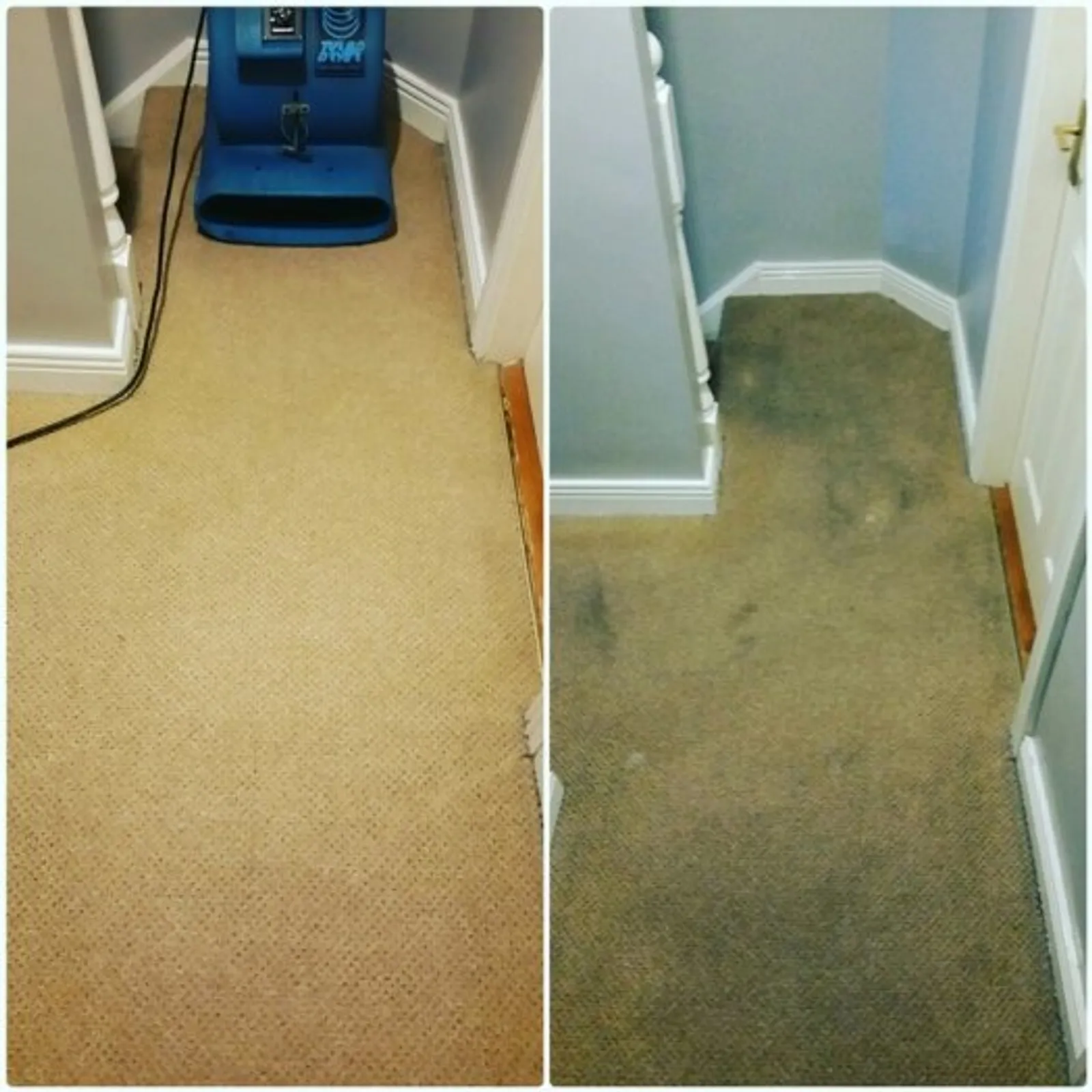 Real stain removal result
At a glance
- Odour treatment from €35 per affected area, added to a carpet clean, VAT included. See the price list.
- Urine odour treated at the source, not covered up.
- Carpets, rugs, sofas and mattresses, in the same visit.
- Old urine in the underlay is a bigger job, and we'll tell you honestly.
- Keep pets off the cleaned areas until they're dry.
Why the smell keeps coming back
Masking a pet odour and actually treating it are two different things
Pet urine in particular can soak past the carpet fibres into the backing and underlay underneath. A surface clean or a fragranced spray deals with what you can see and smell in the moment, but if the source is still down there, the odour tends to resurface — especially in humid weather. Treating the source means getting a proper cleaning solution down into the affected area, not just the top of the pile, which is a fairly standard approach in the carpet cleaning trade rather than anything unique to us.
What we cover
Carpets and upholstery, dogs and cats
Carpets & rugs
Fresh accidents, older set-in marks, and general pet odour in carpets and rugs across the home.
Sofas & upholstery
Pets get up on the furniture too. See our upholstery cleaning page for how we handle sofas and armchairs alongside carpet treatment.
Dogs & cats
Urine, vomit, and general pet mess from dogs and cats — new puppies and older pets included.
Being straight with you
What we can honestly promise
We treat the affected area properly and aim to deal with the odour at its source, not just mask it. What we won't do is promise a guaranteed 100% result sight unseen — how well a smell lifts depends on things like how long it's been there, how much has soaked in, the carpet or fabric underneath, and how many times the same spot has been affected. We'll give you an honest view of what to expect once we've had a look, rather than a blanket guarantee we can't stand over.
What to expect
What's included
A pet stain and odour visit starts with an assessment of the affected area or areas — how far the mark or smell seems to reach, and roughly how it's likely to respond. From there we carry out stain treatment and odour treatment appropriate to the carpet or upholstery involved. We'll always give you an honest view of the likely outcome rather than an assumption that any spot can be fully sorted before we've actually looked at it.
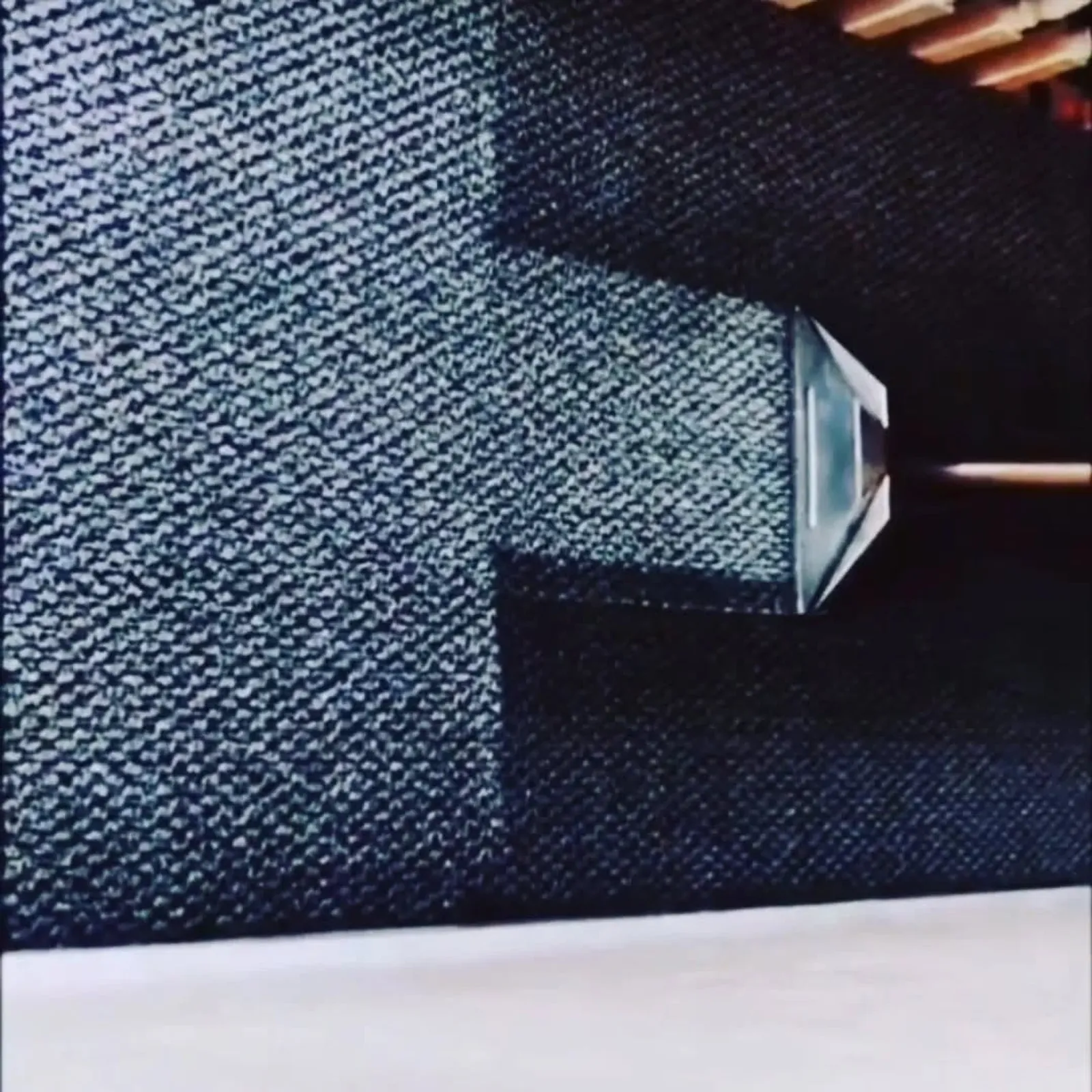
Dog and cat urine can affect more than the visible mark on the surface. If it's had time to soak through, it can reach the carpet backing and the underlay beneath, which is part of why a straightforward surface clean sometimes isn't enough on its own. That's not the case for every accident — plenty of fresh, smaller marks respond well to a standard treatment — but it's worth knowing about, particularly with older or repeated staining in the same spot.
Two different jobs
Stain treatment vs odour treatment
It's easy to assume a stain and an odour are the same problem, but they're related rather than identical. A visible stain can often be treated and lifted, while the smell tied to the same spot may need its own treatment, and occasionally more than one visit, to properly address — especially where the contamination has soaked in over time or the same area has been affected more than once. Being upfront about this distinction is part of setting realistic expectations before we start, rather than after.
Something worth knowing
Reappearing odours and deeper contamination
Occasionally, an odour that seemed to have been treated can become noticeable again later — this tends to show up more in humid weather, or if the affected area gets damp again for any reason, including the water used during a routine carpet clean. When that happens, it can be a sign that the contamination reached deeper than the surface, into the underlay or subfloor. If you know or suspect this might be the case for a particular spot, it's worth mentioning it when you book so we can assess it properly rather than treat it as a simple surface mark.
General upkeep
Carpets and pet ownership
Alongside professional treatment when accidents happen, a bit of routine care goes a long way in pet-owning households. Regular vacuuming helps keep fur, dander and everyday dirt from working deep into the pile. Addressing a fresh accident promptly — blotting rather than rubbing, so the liquid isn't pushed further into the fibres — gives it a better chance of not setting in. And periodic professional cleaning, more often than in a pet-free home, is generally worth building into your routine; see our guide on how often to clean carpets for a general schedule, or our carpet cleaning Dublin page for the standard service.
Areas we cover
Pet stain and odour removal across Dublin
We cover Dublin city and county — find your area below or just get in touch.
Every home is different
The pet situations we see most
Pet odour has a lot of causes, and the cause changes how we treat it. Telling us which of these sounds like your home helps us plan the visit.
A puppy being house-trained
Lots of small accidents in a few favourite spots, usually near doors. Best treated once training is done, with a clean in between if needed.
An older pet
Incontinence in older dogs and cats means repeated accidents in the same places, often near where they sleep.
A cat marking territory
Spraying hits the base of walls, door frames and carpet edges as well as the floor, so we treat the edges, not just the middle.
A rescue pet settling in
New pets often have accidents while they adjust. A clean once they've settled stops old marks drawing them back.
Litter tray overspill
Odour around the tray comes from what lands outside it. The carpet or floor around the tray needs treating too.
Someone else's pets
Moving into a home where the previous owners or tenants had pets, and the smell shows up on the first warm, damp day.
Finding the source
How to find every accident spot before we arrive
The smell in a room usually comes from more than one place, and the spots you know about are rarely all of them. Finding them before the visit means every one gets treated, not just the obvious one.
Get down to floor level
Odour is strongest close to the carpet. Check along skirting boards, beside doors, behind furniture and around the pet's bed.
Check on a damp day
Humidity reactivates old urine, so a muggy day is when hidden spots give themselves away.
Look for rings and shadows
Old urine often leaves a faint yellow ring, a stiff patch or a slightly darker shadow, especially on light carpet.
Try a UV torch
An inexpensive ultraviolet torch makes old urine marks glow in a dark room. Mark each spot with a sticky note before we come.
Then tell us where they are when you book, or send photos with the spots marked. See our pet urine odour guide for more on why smells come back.
When it happens
What to do the moment an accident happens
A fresh accident dealt with well is far easier to treat fully. These steps help, and they don't get in the way of a professional treatment later.
Blot straight away
Press thick kitchen paper onto the spot, stand on it if you can, and repeat until it comes up nearly dry.
Dab with cold water
A little cold water, blotted out again, dilutes what's left without pushing it into the underlay.
Use a pet-specific cleaner
An enzyme-based cleaner from a pet shop is a reasonable first step. Test it somewhere hidden first.
Skip ammonia and bleach
Ammonia smells like urine to a pet and can draw them back. Bleach can strip the colour from the carpet.
No heat
Steam, irons and hair dryers can bond urine into the fibre and make the smell harder to shift.
Tell us about it
Even if it looks gone, mention it when you book, so the spot gets the full odour treatment.
Hair, mud and oils
Pet hair and everyday pet soiling
Not every pet problem is an accident. Dogs and cats leave hair woven into the pile, oily patches where they lie, and mud from walks, and all of it builds up between cleans.
- Embedded hair is loosened and lifted during the clean, from carpets, rugs and sofas.
- Oily patches where a pet sleeps are pre-treated like a sofa's headrest.
- Muddy paw paths from the back door are vacuumed once dry, then cleaned.
- Between cleans, a rubber brush or damp rubber glove lifts hair from sofas faster than most vacuums.
For sofas with pet hair and odour, see sofa cleaning.
Being realistic
Fresh accidents and old contamination are different jobs
Fresh or recent
- Mostly in the top of the carpet pile
- Odour usually treated fully
- Staining often comes out completely
- One visit is normally enough
Old or repeated
- Often through to the underlay and the floor
- Odour much improved, but may need more than one treatment
- Urine can change carpet dye, leaving a mark
- Sometimes the underlay needs replacing
We'll tell you which one you're dealing with after a look, and what's realistic, before any treatment starts.
Why it comes back
Why pet urine smells worse on damp days
Lots of people notice that a pet smell they thought was gone comes back on a muggy day, or the first time the heating goes on after summer. There's a simple reason for it.
The salts stay behind
When urine dries, the water goes but the salts and residues stay in the fibre and the underlay. They're invisible, and on a dry day they don't smell much.
Humidity wakes them up
Those residues pull moisture out of the air. On a damp day they become active again and release the smell, which is why it seems to come and go with the weather.
Heat makes it travel
Warmth from the heating or a sunny window helps the smell rise and spread through a room, so it's often noticed at the start of autumn.
Treating the source stops the cycle
Masking sprays only cover the smell for a day or two. Treating the residue itself, where it is, is what stops the smell coming back. That's what our odour treatment is for.
After the clean
Getting back to normal with pets
- Keep pets out until it's dry. Another room with their bed and water bowl works well while the carpet dries.
- Walk them before they come back in, so the first visit to the room isn't a toilet stop.
- Watch the old spots for the first week. Pets go back to places that smell familiar, and a clean spot breaks that habit.
- Sudden accidents in a trained pet can be a sign of a health problem. It's worth a word with your vet.
Stopping repeats
How to stop accidents in the same spot
- Remove the smell completely, because a faint trace is an invitation back.
- Change the spot for a while: a piece of furniture, a mat or the pet's bowl placed there makes it less inviting.
- More trips outside for puppies and older dogs, especially after meals and sleep.
- For cats, check the tray: an extra tray, a different litter or a quieter spot often solves it.
Beyond the carpet
Pet accidents on sofas, rugs and mattresses
Accidents don't always happen on the carpet. Each surface needs a different approach, and all of them can be treated in the same visit.
Sofas
Urine soaks quickly into seat cushions. The fabric is tested and the odour treated in the foam, not just on the surface.
Sofa cleaningRugs
Wool rugs absorb urine and can change colour. Dyes are tested before treatment.
Rug cleaningMattresses
A pet on the bed means hair and the odd accident. Treated with as little moisture as possible.
Mattress cleaningRentals with pets
Pet odour is a common deposit issue. Treat it before the final inspection.
End of tenancyRelated guides
More on pet stains & odours
Get a free quote
Tell us about the pet stain or odour
We'll come back to you with a clear price and an honest view of what to expect — no obligation.
Quickest way to an accurate price: send a few photos of the rooms, stairs and any stains, or WhatsApp them to us.
FAQ
Common questions about pet stain and odour removal
Will it definitely remove the smell completely?
In most cases we get a very good result, but we won't promise a guaranteed 100% outcome without seeing the affected area first. How well an odour lifts depends on how long it's been there, how much has soaked into the underlay, and how many times the spot has been affected. We'll be upfront with you about what to expect once we've had a look.
Will you also deal with the staining, or just the smell?
Both, where possible — treatment targets the mark as well as the odour. Very old staining can sometimes leave a faint trace even after the smell is gone, and we'll tell you honestly if that's likely before we start.
Can you treat old pet stains, not just fresh ones?
Yes, we treat both fresh accidents and older, set-in marks. Older stains that have soaked further into the carpet or underlay can be more stubborn, but treating the source still gives the best chance of a lasting result.
Can you treat urine that's soaked into the underlay, not just the carpet?
We treat what we can access and reach effectively. Urine that's soaked deep into the underlay or subfloor is more challenging than a surface mark, and in some cases the underlay itself may need replacing for a full fix — we'll be honest with you about what's realistic once we've assessed it.
Is cat urine treated differently to dog urine?
The treatment approach is similar, but cat urine is often more concentrated and can be more noticeable once it's dried, so it may need a bit more attention than a dog stain of a similar size. Either way, we treat the affected area at the source.
We have a few pets in the house — does that change how you approach it?
It can mean more spots to check and treat, and sometimes overlapping marks that are harder to pin down. Let us know roughly how many pets and any areas you're aware of when you request a quote, so we can plan the visit properly.
My pet keeps going back to the same spot — will cleaning stop that?
Cleaning removes the residue and odour that can attract a pet back to the same spot, which often helps, but we can't promise it'll change your pet's behaviour on its own. If accidents are ongoing, it may be worth speaking to your vet alongside getting the area treated.
Can you treat odour around a litter tray area, not just accident stains?
Yes — ongoing odour around a litter tray or a favourite spot is something we can treat the same way as a one-off accident, by targeting the source in the carpet or flooring rather than just masking the smell.
Is it safe to let my pets back into the room straight after cleaning?
We take care with the products and methods we use in homes with pets. As with any carpet cleaning, it's sensible to keep pets off the area until it's dry — we'll give you a realistic time on the day.
Do you clean sofas and furniture too, or just carpets?
Both — pets get up on furniture as well as floors. See our upholstery cleaning page for sofa and armchair treatment, which we can carry out alongside carpet work.
Can you help with pet damage before a tenancy ends?
Yes — if pet stains or odours are part of what needs sorting before a handover, this can be combined with our end of tenancy carpet cleaning. Mention it's a pet-related job when you request your quote.
What's the difference between this and your general stain removal service?
Pet stains and odours, especially urine, need a different approach to a standard spill because of how they soak into the carpet and underlay. See our stain removal page for everyday stains like wine, coffee and mud.
Why can an old pet odour sometimes come back after cleaning?
It's usually a sign that contamination reached deeper than the surface, into the underlay or subfloor. An odour that seemed treated can become noticeable again later, particularly in humid weather or if the area gets damp again for any reason, including the water used during a routine carpet clean. If you've seen this happen with a particular spot, let us know when you book so it can be assessed properly.
Can pet stains on a sofa be treated the same way as pet stains on carpet?
Broadly similar principles apply — stain and odour treatment appropriate to the fabric involved — but the specifics vary by material. See our upholstery cleaning page for the fuller picture on treating sofas and upholstery specifically.
Can you treat cat spray along skirting boards and carpet edges?
Yes. Spraying usually hits the base of walls and door frames as well as the carpet, so we treat the carpet edges and the gripper line, not just the middle of the room. Wipe the skirting itself with a pet-safe cleaner, as hard surfaces hold odour too.
How do I find old urine spots I can't see?
Check at floor level on a damp day, when old urine smells strongest, and look for faint rings or stiff patches. An inexpensive UV torch makes old marks glow in a dark room. Mark each one with a sticky note before we arrive.
Can you get dog hair out of carpet?
Yes. Hair woven into the pile is loosened and lifted during the clean, along with the oils and soil that come with it. Regular vacuuming in two directions keeps it from building up again.
We've moved into a house where the last owners had pets. Can you help?
Yes, and it's a common reason people call us. We clean the whole floor and give the likely accident spots, by doors, along walls and in corners, a targeted odour treatment. If urine has gone through to the underlay, we'll tell you honestly what to expect.
Do I need to replace the underlay if my dog has wet through it?
Not always. Many spots respond well to a treatment that reaches through the carpet. Where urine has soaked the underlay repeatedly in one place, replacing that section is sometimes the only full fix, and we'll tell you if we think that's the case.
Can you get the smell of pet sick out of carpet?
Usually, yes. Lift the solids, blot and dab with cold water, and avoid perfumed sprays. The stain and the odour are then treated at the source. See sick stains and odour for the first steps.
How often should carpets be cleaned in a home with dogs?
More often than in a home without pets, because hair, oils and mud build up faster, especially in halls and wherever the dog lies. Our guide to how often to clean carpets gives a realistic schedule.
Can urine on a wooden floor under a rug be treated?
We treat the rug, and the odour in it. If urine has soaked into timber floorboards underneath, that's a floor problem rather than a cleaning one, and it may need a flooring specialist to sand or seal it.