
Stain removal guide
Carpet stain removal: common stains, professional treatment and what to expect
Coffee, tea, red wine, food, grease, mud, pet accidents, ink, make-up and the stain that's been there since before you moved in. What to do in the first few minutes, what quietly makes a stain permanent, and what professional treatment can and can't do.
The rules that matter most
- Blot, don't rub. Rubbing spreads the stain, pushes it deeper and can permanently roughen the pile.
- Cold water, not hot, for almost everything. Heat sets protein and tannin stains.
- Less is more. Over-wetting drives a spill into the backing and underlay, and it comes back up as the carpet dries.
- Never mix cleaning products. Some combinations give off harmful fumes, and stacked residues are hard to remove.
- Stop after one careful attempt. If it hasn't shifted, more product usually makes professional treatment harder.
- Tell your cleaner what you've used. It changes how the stain is treated.
The first five minutes: what to do with any fresh spill
- Remove what's sitting on top. Lift solids with a spoon or a blunt knife, working from the outside in. Don't press them into the pile.
- Blot up the liquid. Press a clean white cloth or kitchen paper onto the spill, lift, and repeat with a dry section until nothing more comes up. Stand on the cloth if you need to.
- Rinse sparingly with cold water. Dampen the area lightly, never soak it, then blot again. You're diluting what's left and lifting it out, not flooding it.
- If a mark remains, try a mild solution once. A few drops of washing-up liquid in a cup of cold water, applied with a cloth, blotted, then rinsed with a little plain water so no soap is left behind. Test it on a hidden spot first.
- Dry it. Lay a thick pad of kitchen paper over the area with something heavy on top to draw moisture up, then let it air-dry.
Bright-white cloths matter more than you'd think: coloured cloths and printed paper towels can transfer dye onto a light carpet.
Why rubbing damages carpet
Most domestic carpet is cut pile: millions of tufts of twisted yarn standing upright. Rub a stain and three things happen. The stain spreads outwards into a bigger, fainter patch. It gets pushed down towards the backing, where it's harder to reach. And the twist in the yarn starts to open up, so the tufts fray and lie in different directions.
That last one is the problem people don't expect. A patch of untwisted, fuzzy pile reflects light differently from the carpet around it, so it can look like a stain even when it's perfectly clean. Cleaning can't re-twist fibres. Blotting avoids the problem entirely. On loop-pile carpets, scrubbing with a brush can also snag loops (see why Berber carpet snags).
When DIY treatment makes a stain worse
Most of the hardest stains we see weren't hard to begin with. They became hard because of what happened next. These are the usual culprits:
- Hot water or a steam cleaner on a fresh stain. Heat cooks protein stains (blood, egg, milk, vomit, urine) into the fibre and sets tannin stains like tea, coffee and wine.
- Too much water. The spill sinks into the backing and underlay. As the surface dries it wicks back up, often as a brown ring that's worse than the original mark.
- Soap left in the carpet. Shampoo and detergent residue is sticky, so the "clean" patch turns into a dirt magnet and goes darker than the carpet around it within weeks.
- Bleach and strong stain removers. Products containing bleach or other oxidisers can remove the carpet's own colour. That's colour loss, not a stain, and it can't be cleaned out.
- Mixing products, or using several one after another. Never mix cleaning products. Some combinations release harmful fumes, and layered residues are much harder to remove safely.
- Solvents and nail polish remover. These can dissolve some synthetic fibres, damage carpet backing and lift dye. Test or leave it to a professional.
- Strongly alkaline cleaners on wool. Wool is a protein fibre and is easily damaged by harsh, high-alkaline products. Look for wool-safe products on wool carpet.
Stain by stain
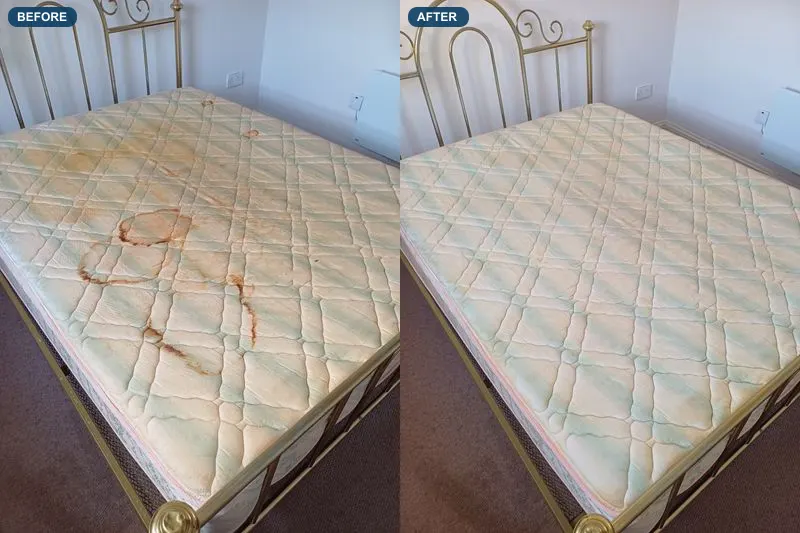
Different substances need different treatment. The categories below are the reason a single "stain remover" works on one mark and does nothing to another. Where we've written a deeper article on a stain, it's linked.
Coffee
Coffee is a tannin stain, and milk and sugar add a protein and a sticky residue. Blot, rinse with cold water, then use the mild washing-up liquid solution once if needed. Old coffee often leaves a pale brown shadow, especially on light carpet, and it's prone to wicking back as the carpet dries. More in coffee and tea stains.
Tea
Tea is also a tannin stain and tends to leave a yellow-brown ring as it dries, because the colour collects at the edge of the spill. Same approach as coffee: blot, cold water, minimal moisture. Tea stains that have been ironed in by a hot drink spilled on a warm carpet, or "treated" with hot water, are the hardest version.
Red wine
Red wine combines a strong natural dye with tannin. Blot hard and fast, then rinse with cold water and blot again. Popular remedies such as salt, white wine and soda water are unreliable, and salt can leave its own residue. Fresh red wine often comes out completely with professional treatment. Old, dried wine on a light wool carpet may leave a pinkish shadow. See red wine on carpet: what actually works.
Food: sauces, curry, chocolate, dairy and juice
Scrape solids first. Tomato sauce and fruit juices carry dyes. Chocolate and creamy sauces combine fat with protein and colour. Dairy and egg are protein, so keep them strictly away from heat. Curry and anything with turmeric deserve a special warning: turmeric is a powerful yellow dye that can permanently tint pale carpet, so get to it quickly and expect a professional treatment to lighten rather than fully remove an old turmeric mark.
Grease and oil
Cooking oil, butter and gravy aren't water-soluble, so water alone smears them. Blot, then cover the mark with an absorbent powder such as bicarbonate of soda or cornflour, leave it for 15–20 minutes to draw out the oil, and vacuum it up. A little washing-up liquid in cold water can lift the rest. Oily marks often reappear faintly a day or two later if the oil wasn't fully drawn out. See cooking oil and grease stains.
Mud
Mud is one of the few stains that's easier to deal with dry. Wiping wet mud smears it deeper, so let it dry completely, break it up, and vacuum thoroughly. A faint mark afterwards usually lifts with a little cold water and the mild solution. In parts of Dublin and Wicklow with clay or peaty soil, mud can leave a brownish tint that needs professional treatment.
Pet accidents
Urine, vomit and faeces are protein-based, so use cold water and no heat. Urine also soaks below the surface, so the visible stain and the smell are two different problems. Blot thoroughly, rinse lightly, and use an enzyme-based pet cleaner according to its instructions. Everything else, including why the smell comes back, is in the pet stain and odour guide and vomit and sick stains.
Ink
Biro, gel pen and marker ink are designed to be permanent and usually respond to solvents rather than water. Water can make ink spread. Blot without pressing, don't rub, and test anything you use on a hidden spot, because solvents can lift carpet dye along with the ink. Large ink spills, and ink on wool, are worth leaving to a professional. See ink and biro stains.
Make-up and nail polish
Foundation and concealer are oil plus pigment. Lipstick is wax, oil and dye. Mascara and eyeliner are mostly fine pigment. Lift what you can with a blunt edge, blot, and treat the oily part as you would grease, with absorbent powder first. Avoid working pigment into the pile with a wet cloth. Nail polish is a lacquer that hardens quickly, and nail polish remover can damage some carpet fibres and dyes. Read nail polish spills on carpet before you try anything.
Blood
Blood is a protein, so cold water only. Hot water sets it almost instantly. Blot, rinse with cold water, and repeat. See why cold water matters for blood stains.
Chewing gum and candle wax
Don't pull gum. Harden it with ice in a sealed bag, then chip it away with a blunt edge. Wax is similar: let it harden, then lift off as much as possible before dealing with any coloured residue. See chewing gum removal and candle wax removal.
Rust
Rust marks usually appear when metal furniture legs or tins stand on a damp carpet. That's why we warn customers not to put furniture back until the carpet is dry. Rust needs a specific treatment, and the products involved aren't ones to experiment with at home. See rust stains from furniture legs.
Hair dye, fake tan and bleach
Hair dye and fake tan are designed to stain, and on carpet they often do so permanently. Professional treatment may lighten them, but we'll be honest if it won't. Bleach spots are different again. The bleach hasn't added anything; it has removed the carpet's colour. Cleaning can't put colour back. The options are colour repair by a specialist, a patch repair or replacement.
General traffic marks
The grey lane from the front door, down the hall and up the stairs isn't really a stain. It's soil, plus fibres slowly abraded by grit. A full clean removes the soil and usually makes a big difference. What it can't do is restore fibres that have been worn flat or frayed, which is why a cleaned traffic lane can still look slightly different from the carpet under the sofa.
Old stains
See the next section. Old stains get their own explanation because they behave differently from fresh ones.
All stains at a glance
| Stain | Type | First aid | Avoid | Realistic professional result |
|---|---|---|---|---|
| Coffee, tea | Tannin (+ milk protein) | Blot, cold water | Hot water, soaking | Fresh: usually removed. Old: lightens, may leave a shadow |
| Red wine | Dye + tannin | Blot fast, cold water | Salt, rubbing | Fresh: often removed. Old on wool: may leave a tint |
| Curry, turmeric | Strong dye + oil | Scrape, blot quickly | Spreading it with a wet cloth | Often lightens; may leave a yellow tint |
| Grease, oil | Oil | Absorbent powder, then mild solution | Water alone | Usually good, but watch for it reappearing |
| Mud | Soil | Let dry, vacuum | Wiping wet | Usually good; clay or peat may tint |
| Pet urine, vomit | Protein + salts | Blot, cold rinse, enzyme cleaner | Heat, fragranced sprays | Depends on depth; odour may need extra treatment |
| Blood | Protein | Cold water only | Any heat | Fresh: usually removed |
| Ink, marker | Dye in solvent | Blot gently | Rubbing, lots of water | Varies widely by ink and fibre |
| Make-up | Oil + pigment | Lift, then absorbent powder | Smearing it wet | Usually improves well |
| Nail polish | Lacquer | Lift excess before it hardens | Nail polish remover on carpet | Varies. Hardened polish is difficult |
| Rust | Metal oxide | Move the metal; keep it dry | Bleach | Often improves with specific treatment |
| Hair dye, fake tan | Permanent dye | Blot immediately | Scrubbing | Often permanent; may lighten |
| Bleach spots | Colour loss | Rinse with water to stop it spreading | Anything else | Can't be cleaned out; repair or replace |
Why old stains are so difficult
Four things happen to a stain over time, and each makes it harder to remove:
- Oxidation. Exposure to air and light changes the chemistry of many stains, especially tannins and food dyes, and bonds them more firmly to the fibre.
- Heat. Hot drinks, hot water, steam, irons and even sun through a window can set a stain.
- Earlier treatments. Residue from home products can lock a stain in or attract dirt on top of it. Bleach and some removers take the carpet's own colour out at the same time.
- Dye change. Some substances react with the carpet dye itself, so what looks like a stain is actually a change of colour in the fibre.
That's why the honest answer for an old stain is often "it will lighten" rather than "it will disappear". We'd rather say that upfront than promise otherwise.
What professional stain treatment involves
- Identify the stain. We'll ask what it is, how old it is and what's been used on it. A tea stain and an iodine stain can look similar and need completely different treatment.
- Check the carpet. Fibre type matters: wool, synthetics and natural fibres react differently. Where the carpet or the treatment calls for it, we test on a hidden area first.
- Pre-treat with the right chemistry. Tannin, protein, oil and dye stains each respond to a different kind of spotter, and it's given time to work.
- Work it gently. Light agitation in the direction of the pile, never scrubbing.
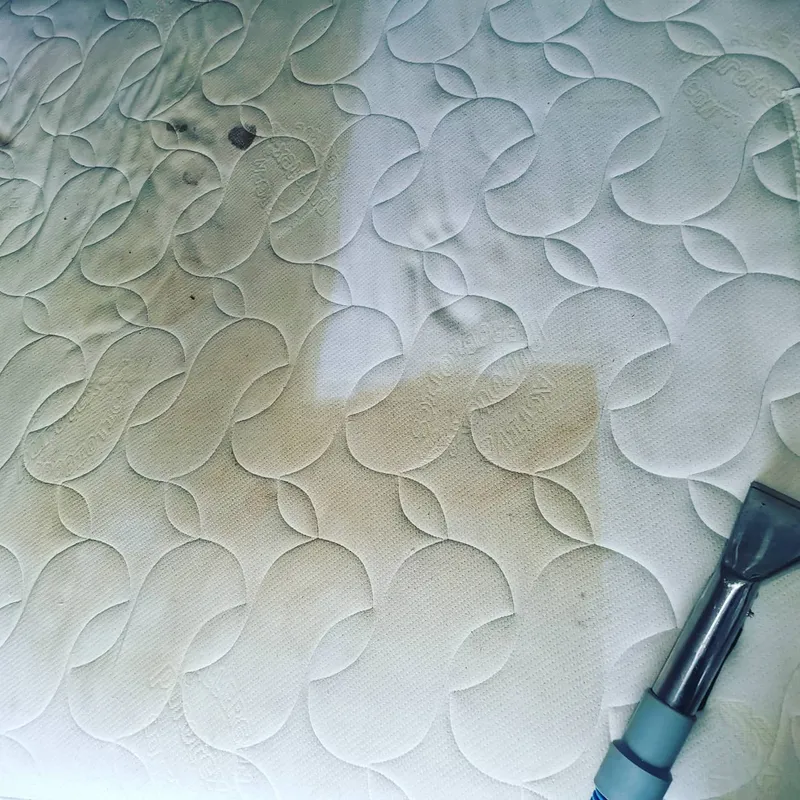
- Extract and rinse. Hot water extraction flushes out the loosened stain and the treatment product, so nothing sticky is left to attract dirt.
- Repeat if it's responding. Some stains come out in stages. If one stops responding, we stop rather than risk the carpet.
- Check it as it dries. If residue wicks back to the surface, a follow-up treatment usually deals with it.
Realistic expectations
What we won't do is promise that every stain will come out. Nobody honest can, before seeing the carpet. Many stains lift completely. Many old ones lighten to the point where you'd only notice them if you knew where to look. A few won't change at all: colour loss, burns, permanent dyes and some old inks. We'll tell you which is which before we start, and we won't keep applying product to a stain that's stopped responding.
When to call a professional
- The stain survived one careful attempt.
- It's large, or it's on stairs, where rinsing properly at home is hard.
- The carpet is wool, a natural fibre such as sisal or jute, or anything you suspect is delicate.
- You don't know what the stain is.
- Several products have already been tried on it.
- There's a smell as well as a mark. That usually means it has gone deeper than the pile.
- It's a rental and an inspection is coming up. See the end of tenancy guide.
Our carpet stain removal service in Dublin treats stains as a standalone visit or as part of a full carpet clean. For sofas and armchairs, see upholstery cleaning. Fabric needs a different approach from carpet.
Send us a photo of the stain
Tell us what it is (if you know) and what's been put on it. We'll tell you honestly what's likely before you book, and give you a price.
FAQ
Questions about carpet stains
Should I rub a stain to get it out?
No. Rubbing spreads the stain, pushes it deeper and can permanently untwist the carpet fibres, leaving a fuzzy patch that looks marked even when it's clean. Blot gently from the outside of the mark inwards with a clean white cloth.
Does hot water help remove carpet stains?
Not usually. Heat can permanently set many stains, especially protein stains like blood, egg, milk and urine, and tannin stains like tea, coffee and wine. Cold water is the safer choice for almost every fresh spill.
Can I use my own steam cleaner on a fresh stain?
Be cautious. Steam applies heat, which can set certain stains rather than lift them. Blot and treat a fresh stain first, and leave hot water extraction to a professional visit if the mark doesn't shift.
Do vinegar and bicarbonate of soda work on carpet stains?
Bicarbonate of soda is useful as a dry absorbent on grease. Mixing it with vinegar mostly produces fizz, because the two neutralise each other, so it doesn't add cleaning power. Vinegar can also be the wrong choice on some stains and fibres. If one careful attempt with cold water and a little washing-up liquid hasn't worked, it's better to stop than to keep trying combinations.
Why did my stain come back after the carpet dried?
That's wicking. Residue from the stain deep in the pile, backing or underlay travels up to the surface as the carpet dries. It's common after over-wetting a spill. It usually responds to a follow-up treatment with careful extraction, so let your cleaner know if it happens.
Can every stain be removed?
No, and anyone who promises that before seeing it is guessing. Most fresh stains and a lot of old ones can be removed or greatly reduced. Colour loss from bleach, burns, permanent dyes such as hair dye, and some old inks can't be cleaned out because they're a change to the fibre, not something sitting on it.
Is stain removal priced separately from a carpet clean?
Stains are treated as part of a clean where they're within the normal work. Heavy or numerous stains, or odour treatment, take extra time and are priced into the quote. A photo of each stain lets us include it upfront. See our pricing guide for how quotes are worked out.