Blog · 31 August 2026
Leather vs fabric upholstery: cleaning and care differences that actually matter
Leather and fabric sofas don't just look and feel different — they're cleaned in almost opposite ways. What's routine for one can genuinely damage the other, whether it's a sofa in a Ballybrack sitting room or anywhere else across Dublin. Here's what actually separates the two, and why treating them the same is the most common way people damage upholstery at home.
Why the two materials need different approaches in the first place
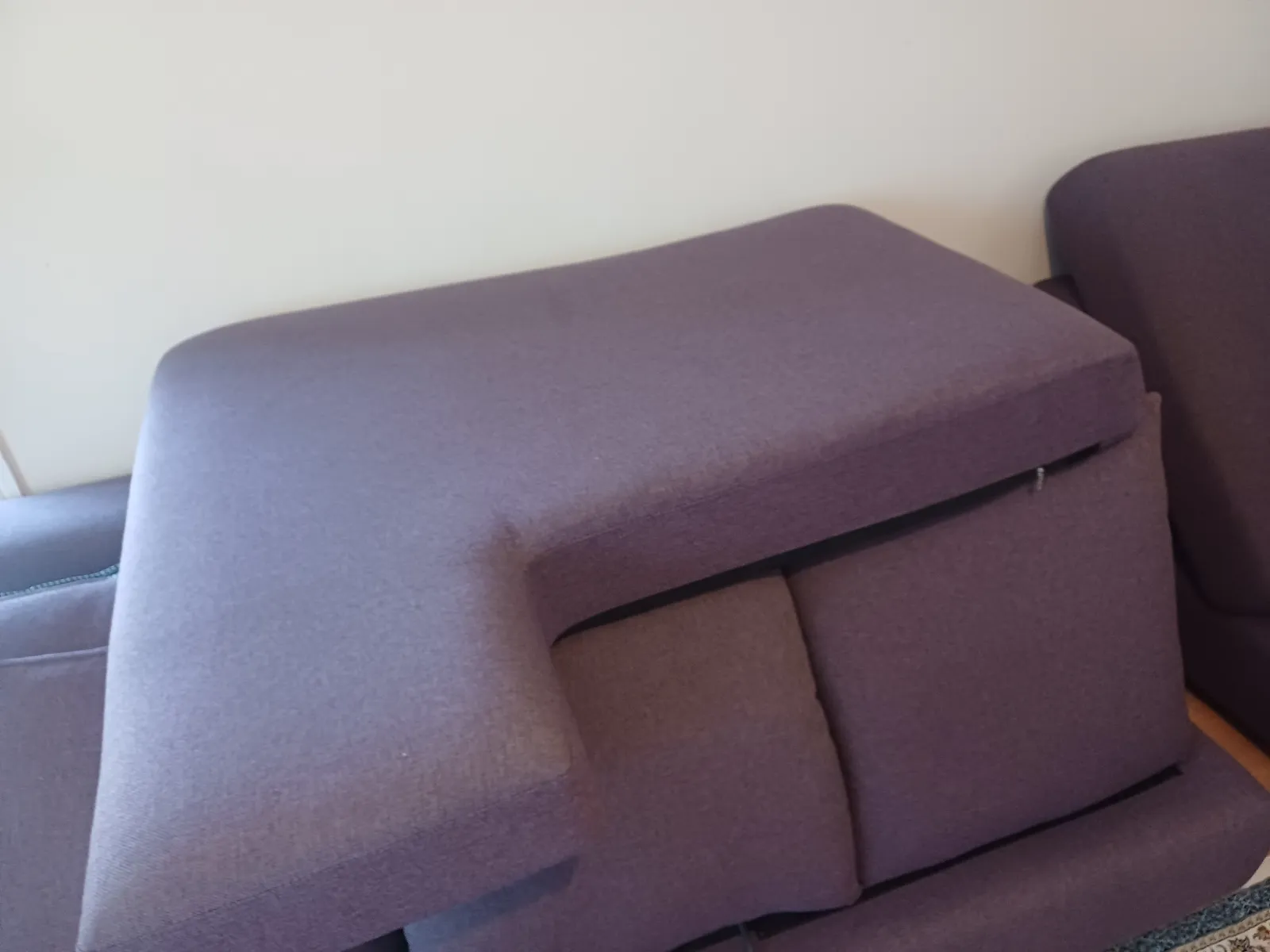
Fabric upholstery is woven fibre, which means dirt, dust and spills work their way down into the weave rather than sitting on top of it — that's why fabric sofas benefit from methods that can reach into the fibre, like hot water extraction. Leather is different: it's a single continuous surface, so most dirt sits on top rather than soaking in, but that same surface has a finish, dyes and natural oils that harsh cleaning or excess water can strip or damage in a way fabric simply doesn't experience the same way.
Cleaning fabric upholstery properly
Most fabric sofas and armchairs carry a cleaning code on a tag, usually under a cushion, and it's worth checking before using anything on the fabric. A "W" code means a water-based cleaner is safe, "S" means only a solvent-based dry-cleaning product should touch it, "W/S" allows either with care, and "X" means no liquid cleaner at all — vacuuming or light brushing only. Getting this wrong, particularly using water on an S-coded or X-coded fabric, can cause shrinkage, watermarking or permanent discolouration.
For most W-coded fabrics, the routine is straightforward: vacuum thoroughly first with a soft brush attachment to lift loose dust and grit, since cleaning over ground-in dirt just pushes it deeper into the pile. From there, a professional hot water extraction pass — the same method used for carpet — flushes out embedded soil, allergens and odours that surface cleaning can't reach, then the fabric needs proper time to dry before the sofa is used again.
Cleaning leather correctly
Leather cleaning starts with a dry step too — a light vacuum with a brush attachment or a wipe with a dry microfibre cloth to remove loose dust from seams and folds. After that, the safest approach is a cloth lightly dampened (not soaked) with distilled water, wiped in the direction of the grain, followed by a pH-balanced leather cleaner for any marks. Ordinary household cleaners, dish soap, and anything containing alcohol or ammonia can strip leather's natural oils and finish, so they're worth avoiding entirely rather than reaching for "whatever's under the sink."
Conditioning is the step fabric doesn't need at all. Leather is a natural material that dries out over time, particularly near radiators or in direct sunlight, so a leather conditioner applied every few months helps replace lost moisture and keeps the surface flexible instead of stiff or prone to cracking.
What actually damages each material fastest
For fabric, the biggest risk is over-wetting — soaking the fibres, using the wrong solvent for the fabric code, or not allowing proper drying time, which can lead to shrinkage, browning or a musty smell developing underneath. For leather, the biggest risks are the reverse: too much water left sitting on the surface, which can seep into the pores and leave watermarks, and harsh or wax/silicone-based products that interfere with the finish rather than clean it. Both materials also suffer from delayed treatment — a fresh spill is far easier to deal with on either than one left to set overnight.
Day-to-day maintenance is where the real difference shows
Leather generally has the edge for everyday upkeep, simply because its smooth, non-porous surface tends to repel a fresh spill rather than absorb it, so a quick wipe often deals with the problem before it becomes a stain. Fabric traps dust, skin cells and odours more readily in its weave, which is why it usually needs more frequent vacuuming between deeper cleans, especially in a household with pets or young children.
When it's worth calling in a professional
Both materials benefit from professional attention at different points. Fabric upholstery that hasn't had a deep clean in a while, has embedded odours, or has a stain that hasn't responded to spot treatment is a good candidate for professional hot water extraction. Leather rarely needs deep cleaning as often, but a professional condition-and-clean is worth considering if the leather feels dry, is showing early cracking, or has a stain from something like ink or dye transfer that a basic wipe-down won't shift. If you're weighing up whether a job is DIY-friendly or better left to a professional, our DIY vs professional cleaning guide covers the same trade-offs that apply to upholstery.
We clean both fabric and leather upholstery as part of our sofa and upholstery cleaning service across Dublin, Kildare, Wicklow and the rest of Leinster, including Ballybrack and the surrounding areas. Get a free quote and we'll recommend the right method for your specific sofa.
FAQ
Common questions about cleaning leather and fabric upholstery
Can I use the same cleaning products on leather and fabric sofas?
No. Fabric upholstery cleaners and hot water extraction are designed for woven fibres and can strip leather's finish or leave water stains that soak into the pores. Leather needs a dedicated pH-balanced leather cleaner followed by conditioner, never a fabric shampoo or all-purpose spray.
Why does my leather sofa feel stiff or start cracking?
Leather is skin, and it dries out over time as its natural oils deplete — heating, sunlight and simply not conditioning it are the main causes. Conditioning every few months helps replace lost moisture and keeps the surface flexible instead of brittle.
Is fabric or leather upholstery easier to keep clean day to day?
Leather has the edge day to day because its smooth, non-porous surface mostly repels spills rather than absorbing them, so a quick wipe often deals with a fresh mark. Fabric traps dust and odours in its fibres more readily, which is why it usually needs more frequent vacuuming and occasional deeper cleaning.
What do the W, S, W/S and X codes on a fabric sofa's tag mean?
These are industry-standard fabric cleaning codes usually found on a tag under a cushion. W means a water-based cleaner is safe, S means only a solvent-based dry-cleaning product should be used, W/S means either can be used with care, and X means the fabric should only be vacuumed or lightly brushed, with no liquid cleaners at all.