
Blog · 19 November 2026
Older homes and original carpet: when it's worth restoring vs replacing
Plenty of older Irish homes still have their original carpet somewhere — a patterned stair runner, a wool carpet in the good room, something that's clearly been there longer than the current owner. The question that comes up again and again is whether it's worth cleaning and keeping, or whether it's quietly past the point of no return.
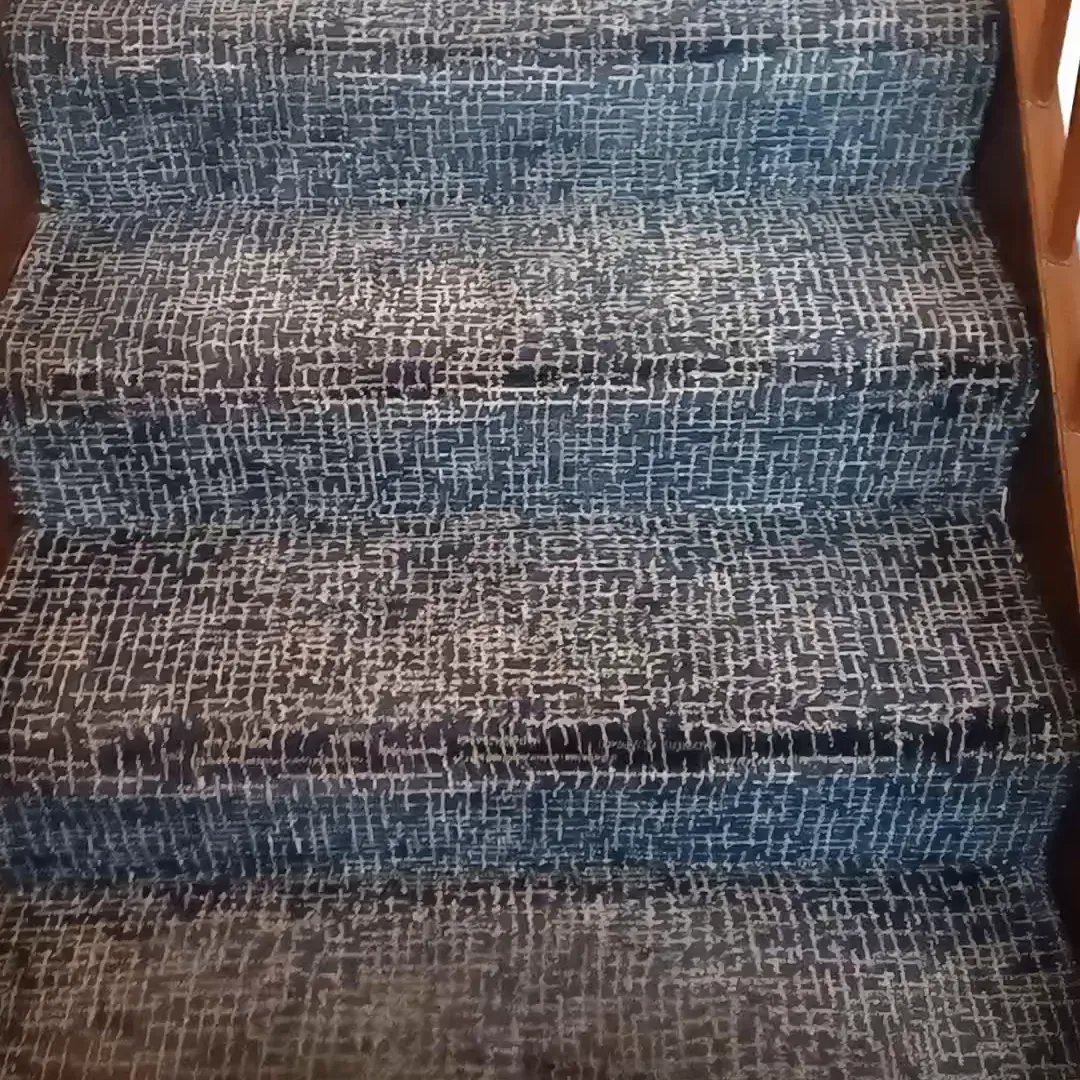
What "original carpet" usually means in an older home
In a lot of Victorian and Edwardian terraces, and plenty of early-to-mid-20th-century semis besides, "original carpet" tends to mean one of two things: a heavy wool Axminster or Wilton-style pattern — the kind woven with a distinct design rather than printed on top — or a plainer wool twist laid decades ago and never replaced because nobody got around to it, or because it still looked fine. Both can genuinely be worth keeping if they're sound underneath, which is the part that actually matters more than age.
How long a well-kept wool carpet can actually last
This is where expectations are often set too low. Flooring industry estimates generally put a well-maintained wool carpet's realistic lifespan at somewhere between 20 and 30 years, and sometimes meaningfully longer in rooms that see light foot traffic. Wool is a genuinely durable fibre — it resists crushing better than most synthetics and tends to hide wear visually for longer — but two things shorten that lifespan significantly: constant heavy traffic, and repeated exposure to damp. A hallway or staircase carpet in a draughty older home is working harder than a carpet in a rarely-used front room, which is exactly why one might need replacing while the other is still perfectly serviceable.
What a professional clean can and can't fix
A lot of what looks like permanent ageing on an original carpet is actually just years of trapped soil sitting deep in the pile, dulling the colour and flattening the texture from underneath. Hot water extraction cleaning lifts that soil back out, and it's genuinely surprising how much colour and definition can come back on a carpet that looked tired beforehand. What it cannot do is rebuild pile that's worn right through to the backing, repair a backing that's rotted from long-term damp, or reverse colour loss from decades of direct sunlight. If you're not sure which category your carpet falls into, our guide to the real signs a carpet needs replacing rather than cleaning walks through how to tell the difference before you commit to either option.
Signs it's genuinely worth restoring rather than replacing
A carpet is usually worth keeping and cleaning properly when the backing is still intact and the pile, even if dulled or flattened in patches, hasn't worn through to the weave underneath. Dullness, dinginess, and a general "tired" look are almost always soil and age rather than structural damage, and they respond well to a proper clean. If the carpet also has genuine character — an older patterned weave that would be difficult or expensive to match if part of it needed replacing — that's a further reason to lean toward restoring it rather than disturbing a section that can't easily be matched.
Signs replacement genuinely makes more sense
Replacement is the more honest answer when the backing has rotted or delaminated, when pile is worn down to bare patches in high-traffic areas such as stair treads or hallway pinch points, or when there's been long-term water damage that's gone past what drying and cleaning can undo. A musty smell that persists after a proper clean and thorough drying is also worth taking seriously — it can point to damage within the backing or underlay rather than anything on the surface. In all of these cases, cleaning might make the carpet look slightly better temporarily, but it won't address the underlying problem.
Why matching an original patterned carpet is harder than it sounds
If part of an original patterned carpet does need replacing — a single worn stair tread, say — finding an exact match is rarely straightforward. Older Axminster and Wilton-style weaves were often produced in specific runs and colourways that may simply no longer be manufactured, and even a very similar pattern from a different run can differ enough in dye lot or weave density to look obviously mismatched once it's sitting next to the original, particularly somewhere as visually continuous as a staircase. This is one of the strongest practical arguments for keeping and cleaning an original carpet for as long as it remains sound, rather than patching it piecemeal.
It's not just a Dublin city-centre issue
This comes up across plenty of older housing stock, not only in obviously period areas — whether that's a Victorian terrace, a coastal suburb like Booterstown with its mix of period and early-20th-century housing, or a 1930s or '40s semi further out that's simply never had its original carpet touched since it went down. The underlying question is the same everywhere: is the backing and pile structurally sound, or has age and moisture already done damage that cleaning can't reach.
If you're trying to work out whether an original carpet in an older home is worth keeping, we're happy to take a look and give an honest answer — including when the honest answer is that replacement makes more sense. Our carpet cleaning service covers Dublin and the surrounding counties, including Booterstown, or get a free quote for your own home.
FAQ
Common questions about restoring original carpet
Can a professional clean really restore a decades-old carpet?
Often, yes — a lot of what looks like permanent ageing on an original carpet is actually years of trapped soil dulling the fibres, and a proper hot water extraction clean can bring back a surprising amount of colour and texture. What it can't do is rebuild pile that's genuinely worn through to the backing, or repair rot in the backing itself. See our guide on the real signs a carpet should be replaced rather than cleaned.
Is it worth cleaning an old carpet if I'm planning to replace it eventually anyway?
That depends on your timeline. If replacement is years away, a clean now protects the carpet in the meantime and makes the home more pleasant to live in. If you're replacing within the next few months regardless, spending on a full clean may not be worth it — though a clean can still help if the home needs to show well for viewings or a sale in the short term.
Why is it so hard to find a matching replacement for an original patterned carpet?
Older patterned carpets, particularly Axminster and Wilton-style weaves common in period Irish homes, were often woven in specific runs and colourways that may no longer be in production. Even when a similar pattern is available today, dye lots and weave density can differ enough to look mismatched next to the original, especially on a staircase where old and new sections would sit side by side.
Does cleaning an original carpet reduce its value in a period home?
No — a professional clean done correctly doesn't damage a sound original carpet. The real risk to value is neglect: ground-in soil and moisture gradually breaking down fibres and backing. If anything, a carpet that's been properly maintained tends to present better than one that's been left to deteriorate.