
Blog · 24 August 2026
Blood stains on carpet: why cold water matters
A small cut, a nosebleed, a kitchen accident — blood ends up on carpet more often than people expect, and the instinct to reach for warm water to "wash it out" is exactly the wrong move. Here's the actual reason temperature matters so much with this particular stain, and what to do instead.
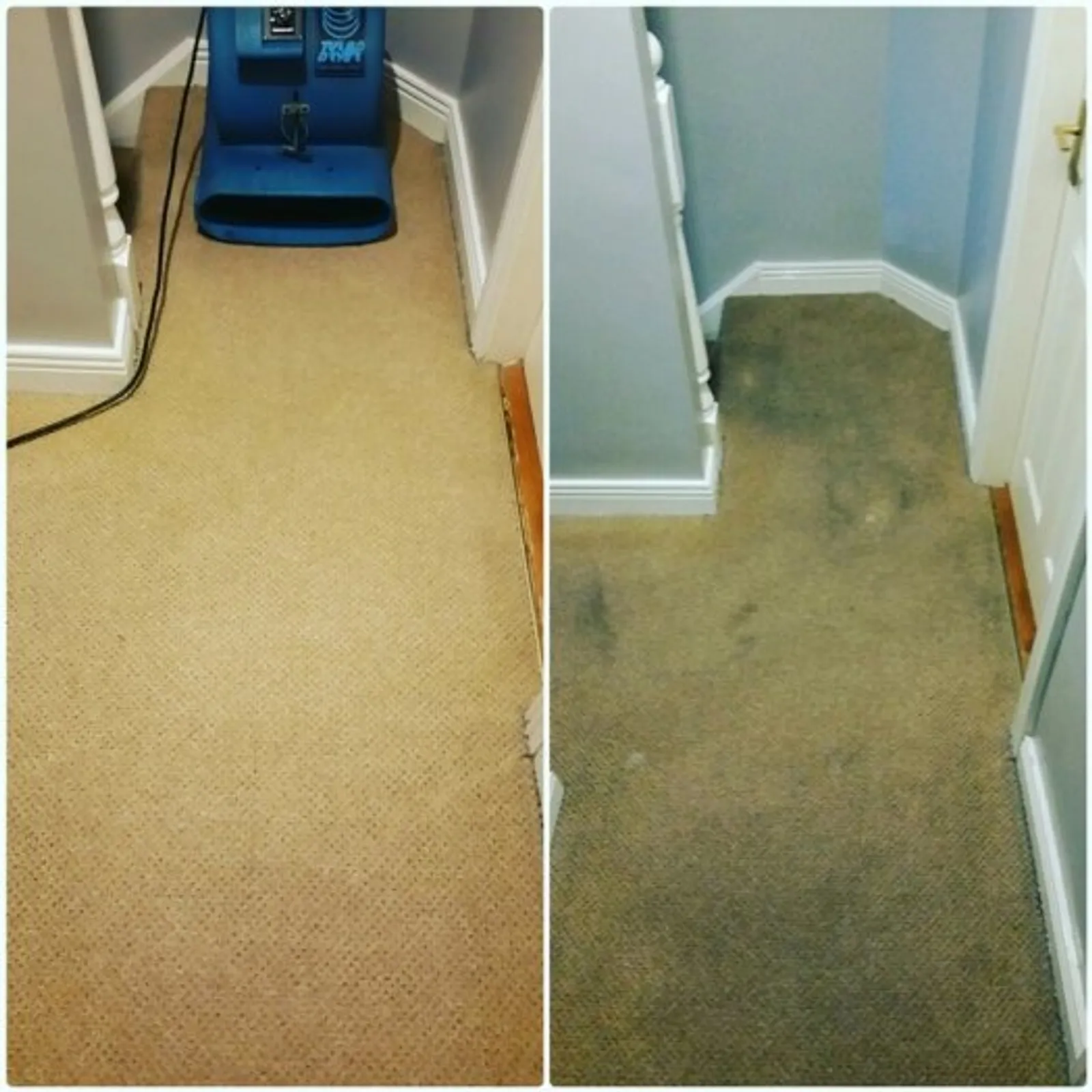
Blood is a protein stain, not a dye stain
Most stains people worry about — wine, coffee, mud — behave differently to blood, because blood's staining power comes mainly from proteins like haemoglobin and albumin, not pigment the way a dye does. That distinction matters because proteins react to heat in a very specific way, and it's the opposite of what most people assume helps.
The "cooked egg" reaction
Heat proteins and they coagulate — they unfold and clump together into a different, insoluble structure. It's the same reaction that turns a clear, runny egg white into a solid white mass in a hot pan. Blood proteins do the same thing when hot water hits them: instead of loosening and lifting away, they bind tightly into the carpet fibres, effectively cooking the stain in place. Once that's happened, no amount of scrubbing brings back what cold water could have prevented in the first place.
Why cold water is the right first move
Cold water doesn't trigger that coagulation, so the proteins stay soluble — which is what actually lets them come away from the fibres. For a fresh stain, that often means cold water and gentle blotting alone can make real progress before anything else is needed. The method matters as much as the temperature: blot from the outside of the mark inward with a clean cloth, rather than rubbing, which just works the stain deeper into the pile and can damage the fibres themselves.
What to reach for if cold water alone isn't enough
For a stain that's stubborn or slightly older, a few extra steps help without any risk of the "cooking" problem:
Hydrogen peroxide (3%) is a mild oxidiser that reacts with the organic material in blood — you'll usually see it foam slightly on contact, which is the reaction breaking the stain down. It can lighten colour on some carpets, though, so always test it on a hidden patch first, particularly on darker or natural-fibre carpet, before applying it to the visible stain.
A cold-water-and-salt paste is a gentler, older method: worked into the stain and left to dry, the salt helps draw moisture — and some of the staining with it — out of the fibres, and the dried residue is then vacuumed away. It takes more patience than peroxide but carries less risk, which makes it a reasonable first attempt on delicate or natural fibres.
Enzyme-based cleaners work differently again: rather than oxidising the stain, enzymes (proteases) break the protein bonds apart directly, which is part of why they're common in specialist stain removers built for blood, and why cold water — never hot — is the temperature almost always specified on the label.
Dried stains need patience, not more heat
A blood stain that's already dried in is more stubborn, but the same cold-water logic still applies — the goal is to gently rehydrate the dried protein first, then work it loose, rather than reach for anything warm to "help it along." Repeated soaking and blotting, applied patiently, still outperforms heat every time. If a stain has set deep into the pile, particularly on a lighter carpet or a natural fibre like wool, it's often the point where a professional visit does more good than another DIY attempt that risks spreading or fading the area.
A stain that could happen in any home
This isn't a rare scenario limited to any one type of household — a nosebleed, a shaving nick, a kid's scraped knee, a kitchen mishap while prepping dinner. Whether it happens in a house in Balbriggan or an apartment across the other side of the city, the same rule holds: cold water first, always, and never anything warm until the stain is fully out. It's one of the few stain-removal rules with almost no exceptions.
When it's worth calling in a professional clean
Most fresh, small blood stains respond well to cold water and one of the methods above. But a stain that's set for days, covers a wider area, or sits on a natural fibre carpet that reacts unpredictably to home treatments is a different situation — repeated DIY attempts on those can do more harm than good. Our guide to common carpet stains covers the wider picture of what works on different stain types, and our stain removal service handles the cases that need professional-grade extraction rather than another attempt at home.
If a stain isn't shifting with the methods above, get a free, no-obligation quote for a professional clean, or see our carpet cleaning service for how we approach stains we treat in person across Dublin, Kildare, Wicklow and the rest of Leinster.
FAQ
Common questions about blood stains on carpet
Why does hot water make a blood stain worse?
Blood is mostly protein, and heat makes proteins coagulate — the same reaction that turns a raw egg white solid when it's cooked. Hot water does the same thing to the proteins in blood, binding them tightly into the carpet fibres instead of loosening them. Cold water keeps the proteins soluble, which is what lets them lift out.
Does hydrogen peroxide damage carpet?
It can lighten colour on some carpets, so it should always be spot-tested on a hidden patch first, especially on darker or natural-fibre carpet. On suitable carpet it's generally safe used sparingly and rinsed out afterwards, but it's not a treatment to reach for automatically without testing.
What if the blood stain has already dried in?
Dried stains take longer and more patience than fresh ones, but cold water is still the right starting point — soak and gently work the area to rehydrate the dried protein before trying to lift it. A stain that's set deep into the pile, especially on a lighter or natural-fibre carpet, is often a case for a professional clean rather than repeated DIY attempts that risk spreading or fading the area.
Is salt or baking soda actually useful on blood stains?
A cold-water-and-salt paste is a genuinely old, low-risk method — the salt helps draw moisture (and with it, some of the stain) out of the fibres as it dries, and it's worked into the mark then vacuumed away once dry. It's gentler than peroxide and worth trying first on delicate or natural fibres, though it tends to need patience and sometimes more than one pass.