
Blog · 29 August 2026
Caring for sisal, seagrass and other natural-fibre rugs
Sisal, seagrass and jute rugs have become a popular choice in hallways and living rooms across Dublin, often laid over hardwood or tile in period homes from Ballyboden to the city centre. They look and feel completely different from a wool or synthetic rug underfoot — and they need a genuinely different care routine, because the one thing that damages them fastest is the thing most people reach for first: water.
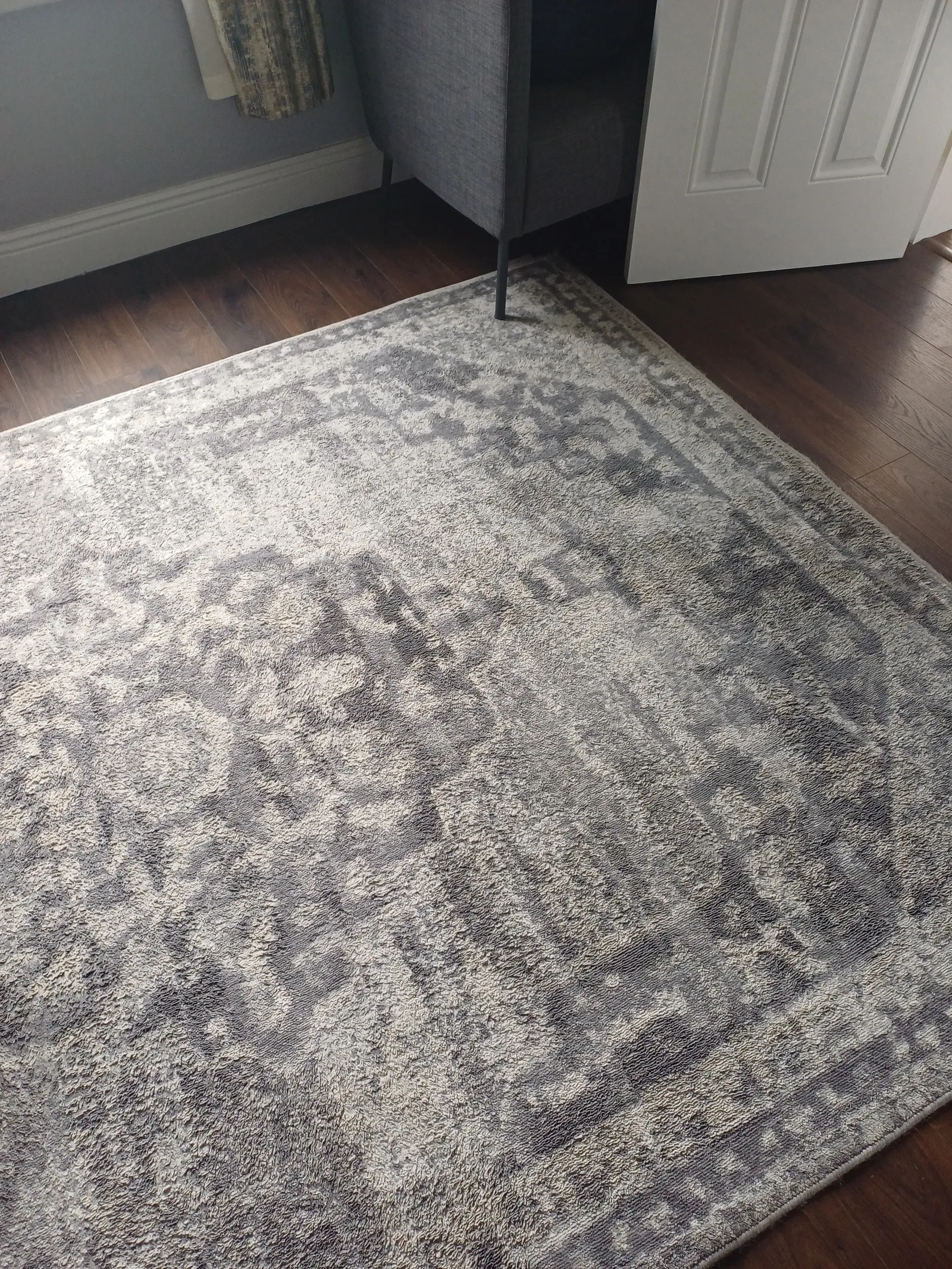
Why these rugs need a different approach
Sisal, seagrass and jute are all plant fibres, and plant fibres are hygroscopic — they readily absorb whatever moisture they come into contact with, whether that's a spilled drink or just humidity in the air. Wool and synthetic rugs tolerate a proper wet clean because the fibre itself sheds or resists moisture reasonably well. Plant fibres do the opposite: they soak it up, swell as they do, and then shrink again as they dry out — often unevenly, which is part of why an over-wetted natural-fibre rug can end up warped, buckled, or pulling away at the edges.
Sisal: strong, but the most water-sensitive of the three
Sisal is prized for how hard-wearing it is underfoot, which is why it turns up so often in busy hallways. But it's also the most water-sensitive of the common natural fibres. As sisal absorbs moisture, it can displace the tannins naturally present in the fibre; when the rug dries out, those tannins get pulled back towards the surface and leave a darker ring or a yellow-brown stain behind — even from a spill that was mopped up reasonably quickly. That's why the standard advice for sisal is to never let it become saturated, and never to steam clean or wet-shampoo it.
Seagrass: a natural coating that helps, within limits
Seagrass is grown in shallow coastal water, and the natural, slightly waxy coating it develops there makes it noticeably more water-resistant than sisal or jute — spills tend to bead rather than soak straight in. That doesn't make it waterproof, though. Left damp for long enough, especially in a humid room, seagrass can still develop mould or mildew, so it's worth treating the extra resistance as a bit of breathing room rather than a reason to be careless with spills.
Jute: soft underfoot, but the most vulnerable to damp
Jute is softer and finer than sisal or seagrass, which is why it's often used in bedrooms rather than hallways. It's also the most moisture-sensitive of the three — even sustained ambient humidity in a room, not just a direct spill, can leave dark marks or encourage mildew over time. In Ireland's typically damp climate, a jute rug in a poorly ventilated room is worth keeping a closer eye on than the same rug would need in a drier climate.
Everyday care that actually helps
Regular vacuuming is the single most useful thing you can do between deeper cleans, because loose grit worked down into the base of a rug acts like sandpaper on the fibres over time — the same mechanism that wears out carpet pile. Use suction only, without a rotating beater bar, since beater bars can snag and pull apart the thick, open weave typical of natural-fibre rugs. It also helps to vacuum in the direction the edge binding is sewn, rather than against it, so you're not gradually working the binding loose.
Dealing with a spill without making it worse
The instinct to grab a wet cloth and scrub is exactly the wrong one. Blot a spill immediately with a clean, dry cloth or paper towel, pressing rather than rubbing, and work from the outside of the spill inward so you're not spreading it further across the fibres. Resist the urge to add more water "to dilute it" — that's the fastest way to end up with the darker ring described above once the rug dries.
Why professional cleaning uses a different method here
The hot water extraction method behind most of our carpet cleaning work is not appropriate for sisal, seagrass or jute, for the same reason a household spill isn't: too much water, too fast, in a fibre that can't shed it safely. Low-moisture and dry-compound methods — working a cleaning powder into the fibres and vacuuming it back out — are the standard professional approach instead. Our rug cleaning guide covers how we assess a rug's fibre and construction before deciding on a method, which matters more with natural-fibre rugs than with almost any other rug type.
If you have a sisal, seagrass or jute rug anywhere from Ballyboden to the city centre and you're not sure whether it's due a proper clean or just a careful vacuum, our rug cleaning service can assess it and recommend a method suited to the actual fibre — or get a free quote to start with.
FAQ
Common questions about natural-fibre rug care
Can sisal, seagrass or jute rugs be steam cleaned?
Not safely, no. Steam cleaning and wet shampooing put far more moisture into a rug than plant-fibre yarns can handle without swelling, staining or weakening. A low-moisture or dry-compound approach is the standard professional method for these rugs, not the hot water extraction used on most wool and synthetic carpet.
Why did my natural-fibre rug get water marks after a spill?
Plant fibres like sisal and jute are hygroscopic, meaning they readily absorb any moisture they meet. As the fibres dry, natural tannins inside them get pulled towards the surface, which is what leaves a darker ring or yellow-brown mark behind rather than the spill simply disappearing.
How often should a natural-fibre rug be vacuumed?
Once or twice a week is a reasonable routine for a rug in regular use, using suction only rather than a rotating beater bar, which can snag and pull apart the thick natural weave. Vacuuming in the direction the edge binding is sewn also helps avoid working it loose over time.
Is professional cleaning available for sisal, seagrass and jute rugs?
Yes — we assess the specific fibre and construction before recommending a method, rather than applying the same process used on wool or synthetic rugs. See our rug cleaning service for details, or get in touch to check whether a particular rug is a good candidate for professional cleaning.