
Blog · 19 October 2026
Carpet padding and underlay: why it matters more than people think
Underlay is the part of a carpet nobody sees — but it quietly affects how the carpet feels, how long it lasts, and how it behaves when it's professionally cleaned. Here's what it's actually doing under there, and when it's worth paying attention to.
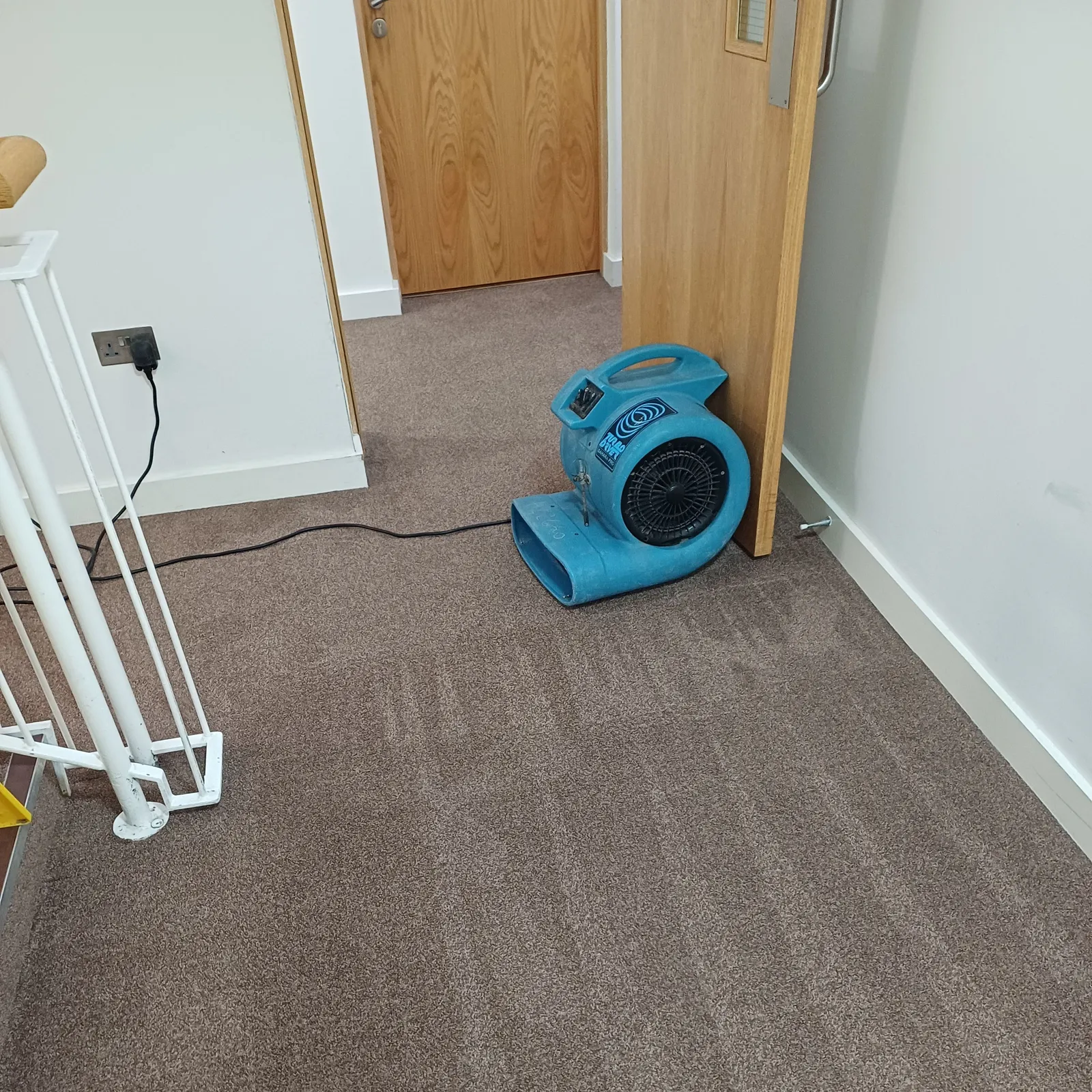
What underlay is actually doing under your carpet
Underlay sits between the carpet and the subfloor, and its job is easy to underestimate because you only really notice it when it's missing or worn out. It cushions each footstep, spreading the impact out instead of letting it land directly on the carpet backing and fibres. Over time, that cushioning also protects the carpet from wearing out faster than it should — a carpet laid straight onto a bare subfloor takes far more direct abuse with every step than one sitting on a proper pad. Underlay adds a layer of thermal insulation too, which matters more in older Irish homes with solid floors than people tend to assume, and it helps absorb sound between floors in a way bare carpet alone doesn't.
The main types, and why they're not interchangeable
Most domestic underlay falls into a few categories, and the differences aren't just about price. PU (polyurethane) foam is lightweight, often made partly from recycled foam, and is popular because it's easy to fit, including on stairs. Felt underlay — usually wool or recycled fibre — gives a denser, firmer base and is often preferred under carpets that need more structural support. Rubber underlay, including crumb rubber, is the densest and most durable option, and tends to be the better choice for high-traffic areas or rooms with heavy furniture, since it resists permanent indentations better than foam. Combination pads, such as felt bonded to a rubber base, try to blend the softness of felt with the durability of rubber — none of these is a straightforward upgrade over the others, since the right choice depends on the room, its traffic, and the carpet going on top.
Underlay also carries a "tog" rating, the same unit used for duvets, describing how much heat it retains. A higher tog generally means better insulation underfoot — but if a carpet is going over underfloor heating, a high-tog underlay works against the system rather than with it, so it's worth checking the combined tog rating of the carpet and underlay before fitting either.
How long underlay actually lasts
Underlay doesn't last forever, and in a lot of homes it's quietly done its job for far longer than it should have. Lifespan depends heavily on material and traffic, but foam types are often rated for somewhere around 8 to 10 years in moderate-traffic rooms, while denser rubber underlays can last considerably longer. A hallway, staircase, or living room underlay wears out faster than the same product in a spare bedroom, simply because it's compressed far more often. Signs it's past its best include a carpet that feels noticeably flatter underfoot than it used to, visible matting that doesn't bounce back after vacuuming, or an uneven feel in one part of a room compared to another. If you're trying to work out whether a tired-feeling carpet needs replacing altogether or would genuinely come back with a proper clean, our guide on whether your carpet needs replacing or just cleaning covers that decision in more depth.
Why underlay matters when a carpet gets professionally cleaned
This is the part most people never think about until it becomes a problem: underlay holds onto moisture for far longer than the carpet fibres sitting on top of it. During a proper hot water extraction clean, the vast majority of the moisture put into the carpet gets pulled straight back out — but older, compressed, or already-damp underlay is slower to release what moisture does reach it, which can noticeably extend drying time. If a carpet still smells musty a day or two after an otherwise good clean, the underlay underneath — not the carpet itself — is very often where that smell is coming from, because it's harder for air to reach and dry out. We've covered that specific issue in our guide on removing mould and damp smell from carpet, and our carpet drying time guide covers what else affects drying generally. It's also one more reason a proper vacuum and walk-through before the clean, covered in our preparation checklist, makes a genuine difference to the result.
Older homes, new-builds, and everything in between
This comes up across every kind of home we work in — whether that's a newer estate in an area like Balrothery or an older terrace nearer the city centre. A newer build is more likely to have underlay still within its useful life, while an older home may well be sitting on padding that's decades old and was never replaced when the carpet above it was. The carpet and the underlay age independently of each other, so a carpet that looks reasonable on the surface can still be sitting on padding well past doing its job properly.
Is it worth replacing underlay on its own?
Sometimes, yes — if the carpet is still in good condition but feels unusually flat, swapping just the underlay can genuinely restore comfort without the cost of replacing the whole carpet. More often, though, underlay gets replaced alongside the carpet: fitting new carpet over old, flattened padding means it won't perform the way it's meant to. Several carpet manufacturers also specify that their warranty only holds if new underlay goes in with the new carpet, so it's worth checking before assuming the old pad can simply be reused.
If a carpet feels flatter than it used to, or takes longer to dry than expected after a clean, it's often the underlay rather than the carpet itself that's behind it. Our carpet cleaning service covers Dublin, Kildare, Wicklow and the rest of Leinster — get a free quote and we'll take a proper look at what's going on underneath.
FAQ
Common questions about carpet underlay and padding
Does underlay actually make a noticeable difference, or is it just an upsell?
It makes a real difference. Underlay cushions each step, which reduces how hard the carpet backing and fibres get compressed under foot traffic, and it adds a layer of thermal insulation between the carpet and the floor beneath it. A cheap or worn-out underlay also wears the carpet above it faster, because the carpet is absorbing impact the padding should be spreading out.
How long does carpet underlay actually last?
It varies by material and traffic, but most types are rated for somewhere in the region of 8 to 15 years, with denser rubber underlays often lasting longer than basic foam. High-traffic areas like hallways and stairs wear underlay out faster than a spare bedroom, which is why the same carpet can feel noticeably different underfoot from room to room.
Can old underlay affect how well a professional carpet clean works?
Yes. Underlay holds onto moisture far longer than the carpet fibres sitting on top of it, so an older, compressed, or already-damp underlay can slow drying considerably after a clean and, in some cases, hold onto odours the carpet itself no longer has. See our carpet drying time guide for what affects drying generally, and our guide on musty and damp smells if that's the issue you're dealing with.
Do I need to replace the underlay every time I replace the carpet?
It's generally recommended, especially if the existing underlay is more than a few years old, already compressed, or has ever been wet. Fitting new carpet over old, flattened underlay means the new carpet won't perform the way it's supposed to, and some carpet manufacturer warranties specifically require fresh underlay to stay valid.