
Blog · 23 August 2026
Chewing gum in carpet: safe removal methods
A dropped or trodden-in piece of chewing gum feels like a lost cause the moment it's flattened into the pile — but gum behaves in a very predictable way, and that means there's a genuinely reliable method for getting it out without damaging the carpet. The trick isn't heat, and it isn't scrubbing. It's cold.
Why gum is so hard to shift in the first place
Chewing gum is a soft, flexible polymer at room temperature — that's the entire reason it's chewable rather than crumbly, and it's also why it stretches, smears and clings to carpet fibres instead of sitting on top of them the way a solid object would. Once it's been trodden on, it works its way down between the fibres and flattens out, which is why pulling at it with fingers usually just stretches it further and spreads it wider instead of lifting it clear.
The one method that actually works: freezing
Cold is the opposite of what makes gum sticky. Lowering the temperature slows the movement of the polymer chains inside the gum, so instead of behaving like a soft, mouldable material it becomes stiff and brittle — closer to a solid than a paste. That change in behaviour is what makes the whole method work: brittle gum shatters and chips away cleanly, rather than stretching and smearing under pressure.
In practice, that means:
- 1
Freeze it
Fill a sandwich bag or similar with ice cubes and press it directly onto the gum for around 10 to 15 minutes, or hold an ice cube wrapped in a thin cloth against it if a bag isn't handy.
- 2
Scrape with a blunt edge
Once it feels hard rather than tacky, work a blunt edge — the back of a spoon or a dull butter knife, never a sharp blade — gently under the outer edge of the wad and lift inward toward the centre, rather than digging straight down into the pile.
- 3
Expect chips, not a single lump
Pieces will come away in small brittle chips rather than one stretchy lump. That's normal, and it's a sign the method is working, not a sign it's failing.
- 4
Re-freeze if it softens
If the gum starts to soften again from the warmth of your hand or the room before you're done, re-freeze it for another few minutes and continue. Stubborn or older gum can take two or three rounds.
Why a hairdryer or iron is one of the most common mistakes
Reaching for heat feels intuitive — melt it and it should lift off, surely? In reality it does the opposite of what freezing does: heat makes the gum soft and pliable again, which lets it spread further into the pile and bond more deeply with the fibres around it rather than separating from them. On a synthetic carpet, too much direct heat also risks affecting the fibres themselves. If nothing else sticks from this guide, it's this: cold shrinks and hardens gum so it lifts away; heat softens it so it sinks in further.
Dealing with residue after the bulk of the gum is gone
Even a clean ice-and-scrape job can leave a faint sticky residue or a slight mark behind, especially if the gum had been there a while before it was noticed. A small amount of white vinegar, lightly warmed and dabbed onto the residue with a cloth, can help soften and lift what's left — vinegar's mild acidity helps break down the residual stickiness without the harsh solvents some products rely on. As with any spot treatment, test it on an inconspicuous corner of the carpet first, since not every fibre type reacts the same way, and always work from the outside of the mark inward so you're not spreading it wider.
Why scraping carefully matters as much as the freezing itself
Most of the fibre damage that happens during gum removal isn't caused by the cold — it's caused by an over-eager scrape with something sharp. A metal putty knife or the point of a blade can slice through carpet fibres just as easily as it chips gum, especially on a looped or lower-pile carpet where the fibres sit close to the backing. A blunt, rounded edge worked patiently from the outside of the gum inward removes the gum without taking fibres with it — it just takes a little longer, which is a fair trade for not leaving a bald patch where the gum used to be.
When it's a job for professional equipment instead
Fresh gum, tackled with ice within a day or two of it happening, is very much a DIY job. Gum that's been walked on and flattened for weeks, or gum on a delicate wool or natural-fibre carpet where you're wary of scraping at all, is a different situation — at that point the risk of damaging the pile while chasing the last of the residue usually outweighs finishing it yourself. That's also true if the gum has picked up dirt and darkened into a stain that ice alone won't touch, which crosses over into the kind of set-in mark covered in our common carpet stains guide.
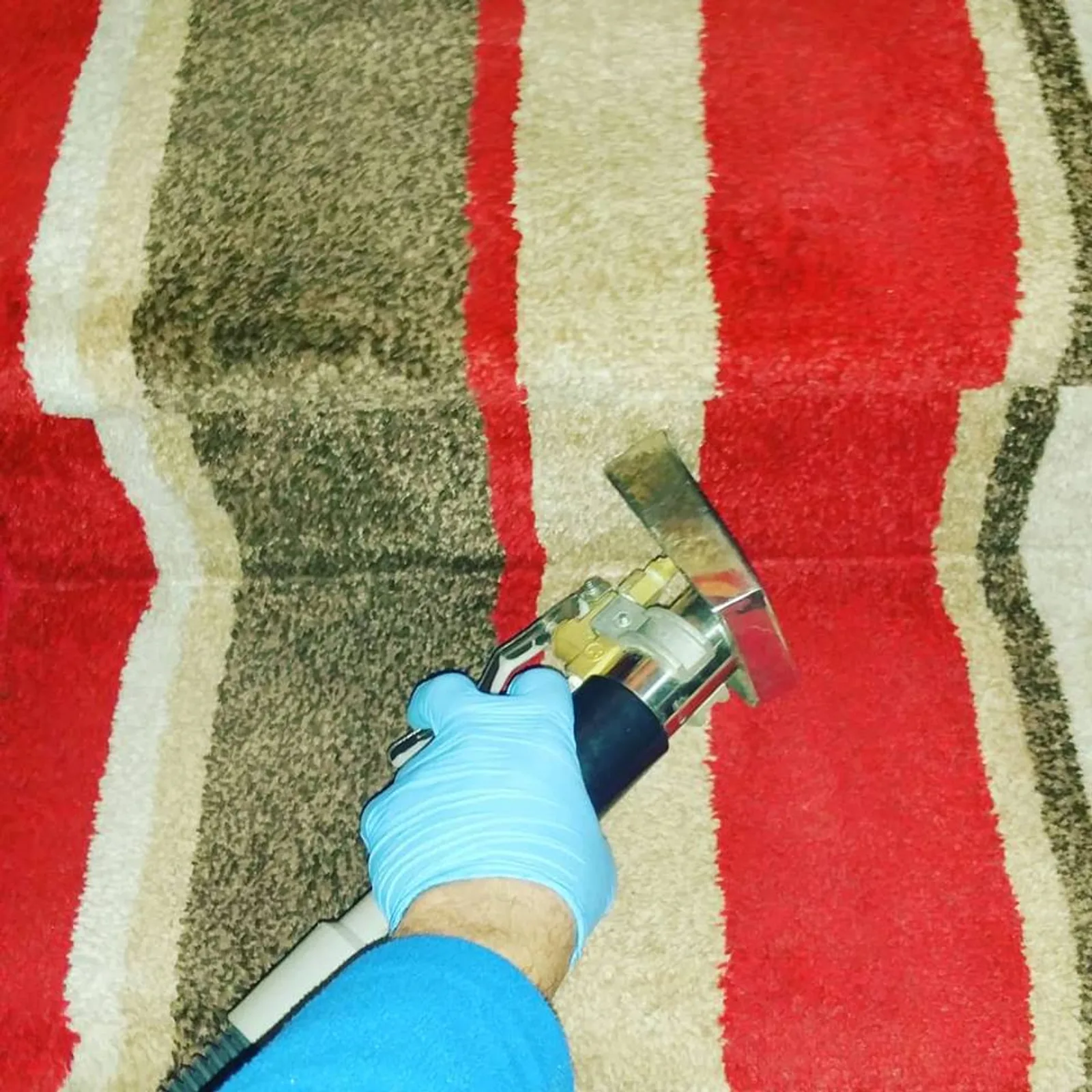
Whether it's a family carpet in Athgoe or an apartment across the city, gum, old stains and ground-in residue all respond well to a proper deep clean with the right equipment. See our carpet cleaning service for what a full clean covers, or get a free quote if a patch of carpet needs more than a DIY fix.
FAQ
Common questions about removing gum from carpet
Why does freezing chewing gum make it easier to remove?
Gum is a soft, flexible polymer at room temperature, which is exactly why it stretches and clings instead of lifting cleanly. Cold slows the movement of those polymer chains and makes the gum contract and stiffen, so instead of stretching under a scraper it turns brittle and shatters into pieces that lift out of the pile.
Is it OK to use a hairdryer or iron on gum stuck in carpet?
It's one of the most common mistakes people make, because it seems logical. Heat does the opposite of what you want: it softens the gum again, and instead of lifting away it gets pushed further down into the pile and can spread across more fibres. Cold, not heat, is what makes gum easy to remove.
Will scraping gum out of carpet damage the fibres?
It can, if a sharp metal tool is dragged across the pile or if it's scraped before the gum is properly hardened. Once the gum is genuinely frozen and brittle, a blunt edge — the back of a spoon or a dull butter knife — worked gently from the outer edge of the wad inward is far less likely to pull carpet fibres out with it.
What if gum has already dried into the carpet and vacuuming won't shift it?
Old, flattened gum that's worked its way into the base of the pile is harder to fully lift with the ice method alone, and any leftover residue or discolouration in the fibres is a job for proper extraction equipment rather than more scraping. See our guide on common carpet stains, or get a free quote if it needs a professional look.