
Blog · 19 August 2026
Hot water extraction explained: what actually happens during a clean
"Hot water extraction" is the method behind most professional carpet cleaning, including ours — but it's often confused with steam cleaning, and most people booking a clean have never actually seen what the equipment does. Here's a plain walkthrough of the real process, step by step.
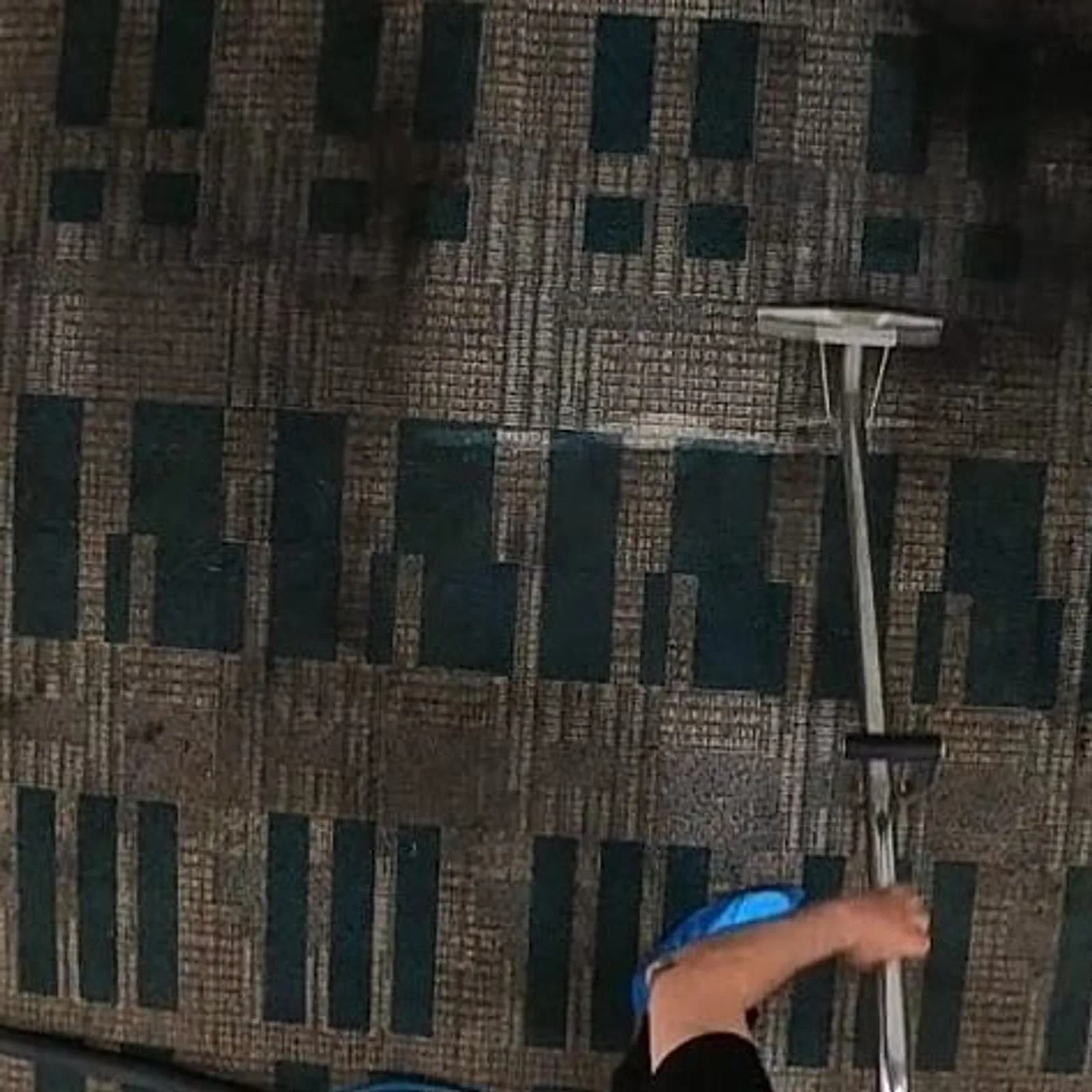
Step one: a proper vacuum first
Before any water touches the carpet, the area gets vacuumed to lift loose surface dirt, dust and debris. Skipping this step is a common shortcut with cheap or rushed cleans — but wet, unvacuumed dirt just turns to mud in the fibres instead of coming out, so it genuinely changes the result.
Step two: cleaning solution goes on first
A cleaning solution suited to the carpet's fibre is applied next, to start breaking down ground-in soil before the extraction pass. This is also the point where a technician should be checking the carpet — fibre type, existing wear, any areas that need special attention — rather than treating every carpet identically.
Step three: hot water injected under pressure
This is the part people picture when they hear "steam cleaning," and it's also the source of the confusion. The equipment injects hot water — not steam — deep into the carpet fibres under pressure, agitating them and helping lift soil that a surface clean would never reach. Any visible vapour during this stage is a side effect of the heat, not the actual cleaning agent.
Step four: immediate extraction
Straight after the hot water goes in, a powerful vacuum pulls it back out — along with the dirt, cleaning solution, and soil it just loosened. This immediate extraction is what actually separates hot water extraction from simpler steam cleaning: steam cleaning generally uses far less water and relies mostly on heat alone, with no real extraction step, which is one reason it's less effective at deep soil removal.
So is it the same as "steam cleaning"?
Not quite, even though the two terms get used interchangeably in everyday conversation — and honestly, in a lot of marketing too. Hot water extraction is a wet-injection-and-extraction process; true steam cleaning uses actual steam with much less water and no extraction pass. If a carpet cleaner says "steam clean" but describes injecting water and vacuuming it back out, they mean hot water extraction — the name is just used loosely.
What drying actually depends on
Because water is injected and then extracted rather than just left to evaporate, drying is faster than people often expect — typically in the 6-12 hour range under normal conditions — but fibre type, carpet thickness, and how well the room is ventilated all genuinely affect that number. See our carpet drying time guide for what actually speeds it up or slows it down.
Why the equipment matters as much as the method
Two companies can both say "hot water extraction" and still get very different results, because the term describes a method, not a fixed standard. The pressure the water is injected at, the strength of the extraction vacuum, and the temperature the water is heated to all vary between a portable unit and a proper truck-mounted or high-capacity machine — and that affects how much soil actually comes back out, not just how wet the carpet ends up. A weak extraction pass can leave a carpet looking clean on top while soil and moisture linger deeper in the pile, which is part of why the same "method" can produce noticeably different results.
What to ask before booking, if you want to know what you're getting
It's a fair question to ask any carpet cleaner: is this hot water extraction with proper extraction equipment, or a lighter surface clean being described the same way? A straight answer, along with a clear sense of how long the carpet will take to dry, tells you a lot about whether you're getting a genuine deep clean or just a surface refresh with the same name attached to it.
This is the method behind our own carpet cleaning service across Dublin, Kildare, Wicklow and the rest of Leinster. If you're weighing it up against other cleaning methods, our steam vs dry cleaning guide goes into the comparison in more depth, or get a free quote for your own carpet.
FAQ
Common questions about hot water extraction
Is hot water extraction the same as steam cleaning?
Not quite, even though the terms get used interchangeably. Hot water extraction injects heated water and a cleaning solution into the carpet under pressure, then immediately vacuums it back out — the visible vapour is a side effect, not the cleaning method. True steam cleaning uses actual steam with much less water and relies mainly on heat, which is why it's less effective at deep soil removal than hot water extraction.
How long does carpet take to dry after hot water extraction?
Typically 6-12 hours under normal conditions, though it depends on the carpet's fibre, thickness, and how well the room is ventilated. See our carpet drying time guide for what actually speeds up or slows down drying.
Is hot water extraction safe for all carpet types?
It's the standard method for most synthetic and many natural-fibre carpets, but not every carpet or rug suits the same approach — some wool and delicate natural fibres need a gentler method and different drying care. We check the fibre before deciding how to clean it, rather than using one process for everything.
How often should carpet be professionally cleaned this way?
It depends on foot traffic, pets, and allergy sensitivity in the household — there's no single fixed interval. See our guide on how often to clean carpets for a realistic breakdown.