
Blog · 22 August 2026
Candle wax removal from carpet without damaging the fibres
A dripped or knocked-over candle is one of the most common household spills, and also one of the easiest to make worse by reaching for a knife, a hot iron, or a scrubbing brush before understanding what's actually happening to the wax and the carpet underneath it. Here's a method that gets wax out properly, and why each step matters.
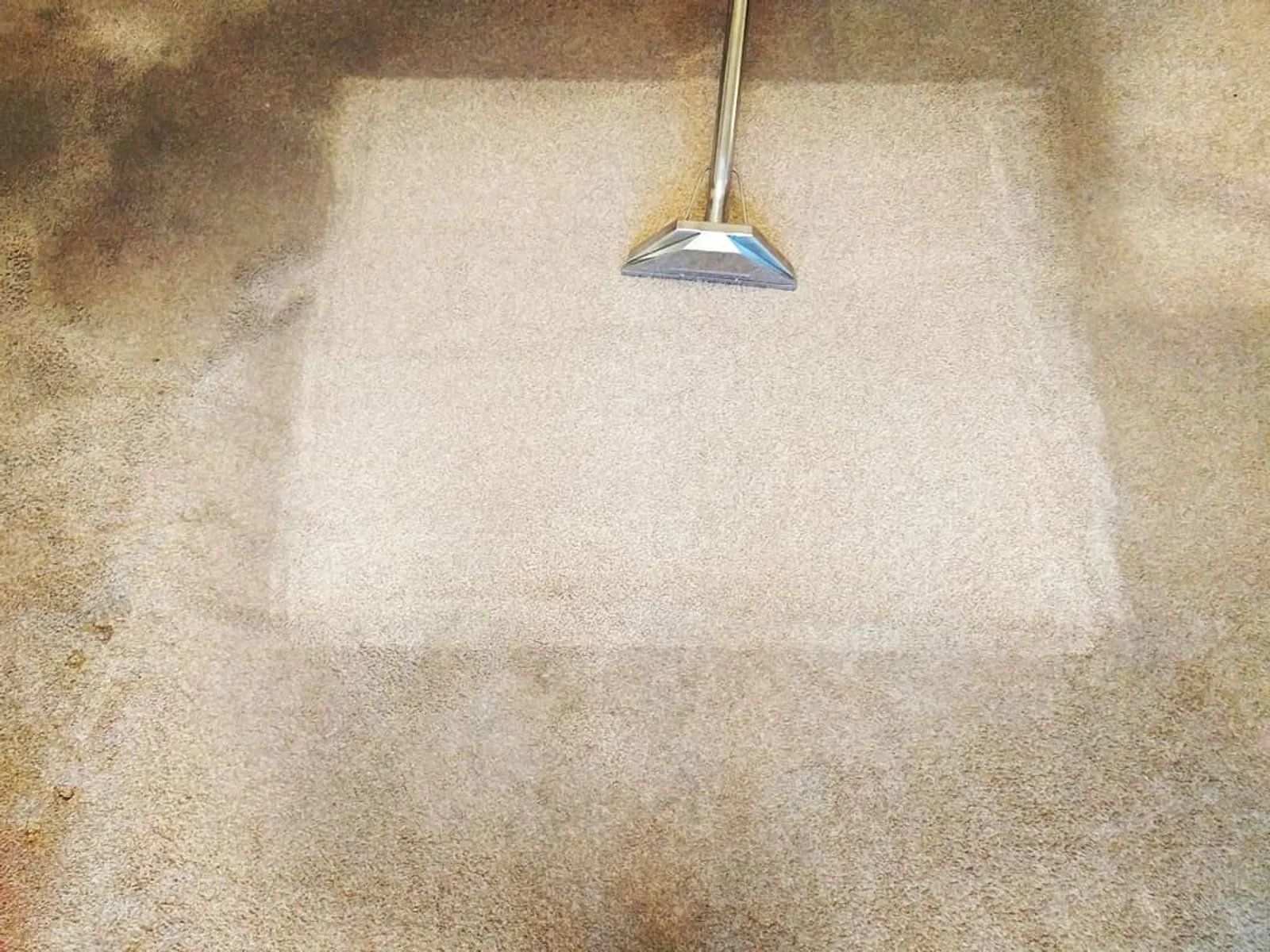
Why wax needs a different approach than most spills
Most carpet stains are liquids that soak in and need blotting or a cleaning solution. Wax is different — it's a solid at room temperature that arrives molten, spreads on impact, then hardens again as it cools, often thinner and wider than the original drip. That means there's usually more wax worked into the pile than the visible lump suggests, and treating it like a normal stain — scrubbing it with water, or digging at it with a blunt tool — tends to push it deeper into the fibres rather than out of them.
Step one: harden the wax fully before touching it
If the wax is still soft or only partly set, resist the urge to scrape it straight away. Hold an ice cube in a sealed plastic bag against the wax for a minute or two until it's completely hard and brittle. Cold wax snaps and lifts cleanly; slightly warm wax smears and works itself further into the carpet fibres, which is a common reason a first attempt makes the patch bigger rather than smaller.
Step two: scrape gently, working from the edges in
Once the wax is hard, use something with a dull, rounded edge — the edge of a credit card, a plastic scraper, or the back of a spoon — never a knife or anything sharp enough to cut carpet fibres. Start at the outer edge of the wax and work inward, lifting pieces off rather than pressing down into the pile. The goal at this stage is to remove the bulk of the solid wax; a thin residue left in the fibres is expected and gets handled in the next step.
Step three: melt and lift the remaining residue with heat
For the wax that's left in the pile after scraping, fold a plain brown paper bag or a few layers of plain (undyed) paper towel over the area, and press a warm iron on a low, dry setting — no steam — briefly over the paper. The heat melts the residual wax and the paper absorbs it, the same way blotting paper lifts oil. Move to a clean section of paper as soon as it starts absorbing wax, and check frequently rather than leaving the iron resting in place; too much heat for too long is what actually risks scorching or flattening the carpet fibres, particularly on synthetic pile. A few short passes with fresh paper each time work far better than one long one.
What if a coloured ring is left behind
Coloured or scented candles carry dye, and once the wax itself is gone that dye can leave a faint stain even though the wax residue is fully lifted. For that, dilute rubbing alcohol with water — roughly one part alcohol to two parts water — apply a small amount, and blot repeatedly rather than rubbing, since rubbing spreads dye further into the fibres instead of lifting it out. For any wax that's still faintly greasy after the iron step, a cloth sponged with a commercial dry-cleaning solvent on the last remaining traces usually finishes the job.
A candle spill isn't only a carpet problem
The same care applies whether the wax lands on a living-room carpet in Ashtown or anywhere else across Dublin — the process doesn't change by location, but the setting is a useful reminder that most wax spills happen exactly where people relax and light candles most: rugs and carpet near a coffee table, hearth, or windowsill. Checking the carpet a day or two after treatment, once it's fully dry, is worth doing too — a small amount of residual wax sometimes only becomes visible once everything else has settled.
When it's worth calling in a professional instead
Wax that's spread across a large area, sunk deep into a thick or looped pile, or landed on a wool or other natural-fibre carpet is a reasonable point to stop and get help rather than risk heat or solvent damage on a carpet that reacts differently to both. See our common carpet stains guide for the wider picture on stain removal, or get in touch about professional stain removal if the DIY approach hasn't fully lifted it.
FAQ
Common questions about candle wax on carpet
Can I just vacuum up candle wax once it's gone hard?
You can lift the loose surface pieces that way, but a vacuum won't shift wax that's already worked its way down into the pile. Most spilt wax spreads a thin layer around the base of the hardened lump as it cools, and that thinner layer is what actually needs the heat-and-absorb step to come out fully.
Will using an iron damage my carpet?
It can if the iron is too hot, on the steam setting, or left in one spot too long — synthetic fibres in particular can scorch or flatten under too much heat. Kept on a low, dry setting and moved constantly with fresh paper, it's a controlled way to melt and lift wax rather than push it deeper, which is the real risk with scrubbing or scraping alone.
Does professional hot water extraction remove candle wax on its own?
Not the solid wax itself — that needs the melt-and-lift step first, since hot water extraction is built for soil and residue, not for pulling a solid deposit out of the pile. It's genuinely useful afterwards though, for flushing out any last trace of wax or dye residue left in the fibres once the bulk of it is gone. See our guide on hot water extraction for how that process actually works.
What about candle wax on a wool carpet?
Wool reacts differently to both heat and solvents than synthetic fibres do, so the same iron-and-solvent approach that's safe on a synthetic carpet carries more risk on wool. If you're not confident, it's worth getting a professional opinion before applying heat or solvent to a wool carpet or rug yourself.